.
Showing posts with label Guidance. Show all posts

Friday, 21 August 2026

Al Qur'an - A guidance and a mercy for the doers of good

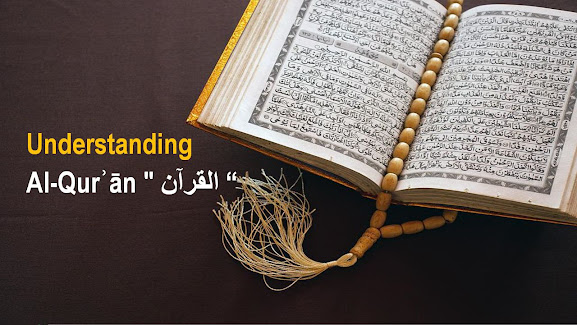
All Divine Scriptures were revealed by our Creator to His chosen prophets and messengers so that they could guide their people to righteousness. Al Qur'an, being the last of the four Divine Scriptures, too is both guidance and mercy for those who sincerely strive to do good. It shows the right path, corrects our thinking and conduct, and protects us from moral and spiritual loss. But its benefit is fully realized only when we are willing to accept its guidance and act upon it. In short: the Qur’an is not only to be recited; it is to be lived, and when lived sincerely, it becomes a source of mercy, direction and moral excellence.

This Divine wisdom is expressed in the 3rd verse of Surah Luqman, the 31st Surah / Chapter of Al Qur'an which is shared today to really understand for whom Al Qur'an is a means of guidance and mercy.

The Verse
Surah Luqmān 31:3 says:

هُدًى وَرَحْمَةً لِّلْمُحْسِنِينَ “A guidance and a mercy for the doers of good.”

The Context
This verse follows 31:2, where the Qur’an is called “the Wise Book”, and it leads into 31:4–5, which describe the people who establish prayer, give zakāh and have certainty in the Hereafter. So the context is important: the Qur’an is not presented merely as a book to be admired intellectually; it is guidance that becomes effective in the lives of those who are morally receptive to it.

What does “guidance and mercy” mean and for whom?

1.    Hudā — guidance means that the Qur’an shows a person the right direction: who Allah is, why we are here, what is right and wrong, how to worship, how to treat others and how to prepare for the Hereafter.

2.    Raḥmah — mercy means that this guidance is itself an act of compassion from Allah. Human beings are not left to wander without purpose; they are given moral direction, hope, forgiveness and a path toward a meaningful life.

3.    The recipients are described as: الْمُحْسِنِينَ — al-muḥsinīn
This comes from iḥsān, which carries the idea of doing what is good, beautiful and excellent. In this passage, the next verse explains some of their qualities: prayer, charity and certainty in the Hereafter.

Why is “mercy” paired with “guidance”?
Because Divine guidance is not meant merely to control us. It is meant to protect us.

A prohibition against intoxicants protects the mind and family. A prohibition against adultery protects relationships and lineage. A prohibition against slander protects honour. Charity protects society from indifference. Prayer protects the heart from spiritual neglect.

So many Qur’anic commands that initially look like restrictions ultimately reveal themselves as forms of mercy.

That is perhaps the deepest meaning of: هُدًى وَرَحْمَةً Guidance—and mercy. That is guidance in this world and mercy and graciousness in the next world, which is an essential consequence of adopting this guidance.

How scholars explain 31:3

1.    Ibn Kathīr explains that the Qur’an is guidance and mercy for those who do good deeds in accordance with what Allah has revealed. He connects al-muḥsinīn with the qualities mentioned immediately afterward in verse 4: establishing prayer, giving zakāh and believing firmly in the Hereafter.

2.    Al-Ṭabarī understands the verse to mean that the Qur’an guides people toward the straight path and is a mercy for those who respond to Allah with obedience and righteous action. The emphasis is therefore not simply on possessing the Qur’an, but on responding to it.

3.    Maududi stresses an important idea
  • The Qur’an is certainly guidance for humanity, but only the person who approaches it with a sincere desire for truth and moral improvement truly benefits from it. 
  • A person who approaches revelation merely to mock or reject it will not experience its guiding effect. There are those who only try to dig out verses to mock Islam and Muslims. In fact, mere reading the translation of a verses does not give the complete context of the verse. Unless a verse is connected with the adjacent verses, the wholesome meaning may be misleading.
  • Therefore, reaching out to Al Qur'an should be with sincerity and the quest to seek mercy of our Creator and follow steps given therein for guidance. 
4.    Yusuf Ali similarly sees guidance and mercy as closely related. Guidance protects a person from wandering morally, while mercy enables him to rise above weakness, error and despair.

This creates an important principle: The Qur’an gives guidance, but receptivity matters. For example, the sunlight falls everywhere, but a closed window receives very little of it.

Does this mean the Qur’an is only for Muslims?
Not at all. Elsewhere, the Qur’an describes itself as guidance for mankind—for example, 2:185 calls it hudā lil-nās, “guidance for humanity.” Here, however, 31:3 emphasizes who actually benefits from that guidance most deeply: those willing to act with sincerity and goodness.

It is similar to medicine. A medicine may be available for everyone, but its benefit is experienced by the person who actually takes it properly.

How can we explain this verse to non-Muslims?
The best approach is not to begin by demanding that someone first accept that the Qur’an is divine. Instead, invite them to examine its guidance.

One might say:

The Qur’an claims to provide guidance and mercy. Judge that claim by examining what kind of human being it tries to produce.”

Then show them its teachings:
  • Justice even against oneself — 4:135
  • Dignity of human life
  • Care for parents
  • Generosity to the poor
  • Prohibition of slander and false accusation
  • Forgiveness and restraint
  • Humility
  • Honesty
  • Accountability
  • Protection of the weak
  • Responsibility toward creation
This is more persuasive than saying merely, “You must believe because the Qur’an says so.” If a book consistently directs people toward truthfulness, justice, compassion, self-control and accountability, then its claim to be guidance deserves serious consideration.

A useful point for interfaith discussion
A non-Muslim may reasonably ask: “If the Qur’an is guidance, why are many Muslims badly behaved?

The answer is contained in the verse itself. The Qur’an does not say that merely owning it transforms someone. It is guidance for al-muḥsinīn—those who sincerely try to live by it. It is just like a map upon which the traveler hs doubts and refuses to follow. That is one has to have a faith that what path one is following will lead to righteousness and closer to His Creator.

So the misconduct of Muslims does not necessarily disprove Qur’anic guidance; sometimes it demonstrates what happens when people possess guidance but fail to practice it.

How can we “apply” 31:3 to our lives?
It is better to say apply or live by the verse rather than “impose” it upon ourselves.

The first step is to stop treating the Qur’an only as a book for recitation and begin asking:
  • “What guidance is this verse giving me?”
  • When reading about patience, practice patience.
  • When reading about charity, give something.
  • When reading about forgiveness, forgive.
  • When reading about arrogance, examine your own ego.
  • When reading about prayer, improve your prayer.
In that way, the Qur’an moves from the tongue to the character. A practical habit is to take one verse after Qur’an reading and ask three questions:
  • What is Allah teaching me here?
  • What weakness in me does this expose?
  • What one action can I change today because of it?
That turns recitation into guidance.

The verse thus teaches that Allah does not merely show us where to go; He gives us a path designed for our moral and spiritual well-being. 

Deep Reflection
This book, which is full of wisdom provides “guidance and mercy for those who excel in doing good.” This is its essential and permanent status: providing guidance so that goodly people can follow the right way. Indeed, travelers who follow its way are never in error. This book also provides people with mercy as they feel reassured and contented by the guidance they are given. They feel God’s mercy as they attain success, establish firm bonds and strong mutual commitments among those who follow such guidance, and also between them and the laws of the universe in which they live.

In one sentence, Surah Luqmān 31:3 tells us that the Qur’an becomes true guidance and mercy when its wisdom is allowed to move from the page into our conduct.
May Allāh (سبحانه و تعالى‎) help us understand Qur'ān and follow the Sunnah of Prophet Muhammad ﷺ, which is embodiment of commandments of Allah contained in the Qur'ān. May Allah help us to be like the ones He loves and let our lives be lived helping others and not making others' lives miserable or unlivable. May all our wrong doings, whether intentional or unintentional, be forgiven before the angel of death knocks on our door. 
وَمَا عَلَيۡنَاۤ اِلَّا الۡبَلٰغُ الۡمُبِيۡنُ‏ 
(36:17) and our duty is no more than to clearly convey the Message.”
That is Our duty is only to convey to you the message that Allah has entrusted us with. Then it is for you to accept it or reject it. We have not been made responsible for making you accept it forcibly, and if you do not accept it, we shall not be seized in consequence of your disbelief, you will yourselves be answerable for your actions on Day of Resurrection.

May Allah forgive me if my posts ever imply a piety far greater than I possess. I am most in need of guidance.

Reading the Qur'ān should be a daily obligation of a Muslim - Reading it with translation will make it meaningful. But reading its Exegesis / Tafsir will make you understand it fully. It will also help the Muslims to have grasp over social issues and their answers discussed in the Qur'an and other matter related to inter faith so that they are able to discuss issues with non-Muslims with authority based on refences from Qur'an.

Note: When we mention God in our posts, we mean One True God, we call Allah in Islam, with no associates. Allah is the Sole Creator of all things, and that Allah is all-powerful and all-knowing. Allah has no offspring, no race, no gender, no body, and is unaffected by the characteristics of human life.

You may refer to more Selected Verses from Sürah 31. Luqman - Wisdom of Luqman al-Ḥakīm (“Luqman the Wise”)  already published.

You may also refer to our exclusive reference pages: 
You may also refer to our Reference Pages  and Understanding Al Qur'an for knowing more about Islam and Qur'ān.
Photo | Reference: | 1 | 2 | 3 | 4 |

An effort has been made to gather explanation / exegesis of the surahs and selected verses of Al-Qurʾān from authentic sources and then present a least possible condensed explanation of the surah. In that the exegesis of the chapters of the Quran is mainly based on the "Tafhim al-Qur'an - The Meaning of the Qur'an" by one of the most enlightened scholars of the Muslim World Sayyid Abul Ala Maududi.  
    In addition, other sources which have been explored and views of other scholars have been incorporated while explaining meaning of a verse. Those desirous of detailed explanations and tafsir (exegesis), may refer to these sites. For expansion of meaning and themes / contextual background help from ChatGPT is also taken.

    Disclaimer: The material for this post has been collected from the references given above. If anyone differs with the material contained in this post, one may consult the references and their authors.  If someone has more material about the subject, he/she is most welcome to share in the comments box to make the post all encompassing.

    If you like Islam: My Ultimate Decision, and to keep yourself updated on all our latest posts to know more about Islam, follow us on Facebook. You may also refer to our Facebook  Group Islam: The Ultimate Truth for more on Islam and Da'wah.

    Please share this page to your friends and family members through Facebook, WhatsApp or any means on social media so that they can also be benefited by it and better understand Islam and the Qur'ān - Insha Allah (Allah Willing) you shall be blessed with the best of both worlds.

    Sunday, 28 September 2025

    One of the most profound verses in the Qur’an for guidance of Muslims

    Al Qur'an not only asks men to worship one true God, but it also lays down a complete code of conduct of man which includes guidelines for his social responsibility and moral conduct. Verse 2:177 of Sūrat al-Baqarah is one of the most profound verses in the Qur’an which embodies in on itself exact Divine commandment for guidance of man.. Let’s go through this verse in detail:

    The Verse (2:177)
    It is not righteousness (al-birr) that you turn your faces towards the east or the west, but righteousness is (in) one who believes in Allah, the Last Day, the Angels, the Book, and the Prophets, and gives his wealth, in spite of love for it, to relatives, orphans, the needy, the traveler, those who ask, and for freeing slaves; and (who) establishes prayer and gives zakāh; and (those who) fulfill their promises when they make them; and (those who) are patient in poverty and hardship and during battle. Those are the ones who have been true, and it is they who are the righteous.”

    Context
    Early Muslims had disputes with Jews and Christians about the Qiblah (direction of prayer). Jews faced Jerusalem, Muslims initially did too, but later were commanded to face the Kaʿbah in Makkah. This verse clarified: Righteousness is not about mere rituals or directions, but about true faith and action.

    Breakdown of Teachings
    1. Faith (Belief): Faith is Islam is based on the following pillars. Unless a believer has unswerving belief in one true God, he cannot step into the fold of Islam. Having done so, one has to have a firm belief that this world is a temporary abode in which man is tested continuously - those who remain patient and steadfast in their belief, have a blind faith in all angels, the Divine Scriptures (The Psalms, Torah, Injeel and Al Qur'an) and finally all prophets, right from Prophet Adam (عَلَيْهِ ٱلسَّلَامُ) till Prophet Muhammad صلى الله عليه وسلم are said to be true believers, for True righteousness begins with Imān which has following pillars:
    • Belief in Allah.
    • The Last Day.
    • Angels.
    • Books.
    • Prophets.
    This opener of the verse defines the core of Islamic creed.

    2. Worship (ʿIbādah)
    Unlike other Divine religions where worship of Allah is restricted to one day only, Islam makes it mandatory for all able bodied health adults to offer five obligatory prayers throughout the day. In addition to Ṣalāh, one has to pay Zakāh from the wealth held for one year. 
    • Prayer (Ṣalāh): regular, sincere devotion to Allah.
    • Zakāh (Charity): purifying wealth by giving obligatory dues.
    3. Social Responsibility
    Other than Ibadah / worship and Zakāh, one has many a social responsibility and obligations. These obligations include spending wealth, despite love for it, on:
    • Relatives (maintaining kinship ties).
    • Orphans.
    • Needy/poor.
    • Travelers (stranded, refugees).
    • Beggars (those who ask).
    • Freeing slaves.
    Islam links piety with compassion and justice.

    4. Moral Character
    Morality is one of the basic character trait of a believer. The words he speaks or covenants / oaths he makes shows the level of his morality. Prophet Muhammad صلى الله عليه وسلم was known for his moral character which was even acknowledged by his worst enemies. He always kept his covenants, the Charter of Hudaibiya was one of his moral ascendency over his opponents. Therefore, a believer must: 
    • Keep his promises/covenants (honesty and reliability).
    • And be patient in:
      • Poverty (personal struggle).
      • Hardship (general adversity).
      • Battle (defending truth and justice).
    5. True Righteousness
    • Allah concludes: These are the truthful and God-conscious people.
    • Meaning: Faith must show itself in action.
    • Hadith Connections
      • The Prophet ﷺ said: “The most beloved deeds to Allah are those that are most consistent, even if small.” (Bukhārī, Muslim)
      • Also: “None of you truly believes until he loves for his brother what he loves for himself.” (Bukhārī, Muslim)
      • Both tie into Imān + action + ethics, exactly what this verse summarizes.
    Relevance Today
    These guidelines remain good forever, not restricted to the Arabia at the advent of Islam. The verse reminds us that faith without action is incomplete, and action without belief is hollow.

    A Muslim should, therefore: 
    • Never reduce religion to rituals or outward symbols.
    • Exhibit True piety which is holistic: belief, worship, social justice, moral integrity, patience.
    In short: 2:177 is a manifesto of Islam’s moral and spiritual vision — righteousness is faith combined with action, worship with justice, and patience with sincerity.

    You may refer to more Selected Verses from Surah 2 Al Baqarah (The Cow)  already published
    May Allāh (سبحانه و تعالى‎) help us understand Qur'ān and follow the Sunnah of Prophet Muhammad ﷺ, which is embodiment of commandments of Allah contained in the Qur'ān. May Allah help us to be like the ones He loves and let our lives be lived helping others and not making others' lives miserable or unlivable. May all our wrong doings, whether intentional or unintentional, be forgiven before the angel of death knocks on our door. 
    وَمَا عَلَيۡنَاۤ اِلَّا الۡبَلٰغُ الۡمُبِيۡنُ‏ 
    (36:17) and our duty is no more than to clearly convey the Message.”
    That is Our duty is only to convey to you the message that Allah has entrusted us with. Then it is for you to accept it or reject it. We have not been made responsible for making you accept it forcibly, and if you do not accept it, we shall not be seized in consequence of your disbelief, you will yourselves be answerable for your actions on Day of Resurrection.

    May Allah forgive me if my posts ever imply a piety far greater than I possess. I am most in need of guidance.

    Reading the Qur'ān should be a daily obligation of a Muslim - Reading it with translation will make it meaningful. But reading its Exegesis / Tafsir will make you understand it fully. It will also help the Muslims to have grasp over social issues and their answers discussed in the Qur'an and other matter related to inter faith so that they are able to discuss issues with non-Muslims with authority based on refences from Qur'an.

    Note: When we mention God in our posts, we mean One True God, we call Allah in Islam, with no associates. Allah is the Sole Creator of all things, and that Allah is all-powerful and all-knowing. Allah has no offspring, no race, no gender, no body, and is unaffected by the characteristics of human life.

    You may also refer to our exclusive reference page: Selected verses from selected Surahs of Al-Qurʾān for compiled verses from other surahs.

    For more Selected Subjects, please refer to our reference page: Selected Verses from Al Qur'an about a Specific Subject (Reference Page) to know more about what Qur'an says about specific subjects and our reference page: Selected Verses from the Qur'an. .

    You may also refer to our Reference Pages  and Understanding Al Qur'an for knowing more about Islam and Qur'ān.
    Photo | Reference: | 1 | 2 | 3 |

    An effort has been made to gather explanation / exegesis of the surahs and selected verses of Al-Qurʾān from authentic sources and then present a least possible condensed explanation of the surah. In that the exegesis of the chapters of the Quran is mainly based on the "Tafhim al-Qur'an - The Meaning of the Qur'an" by one of the most enlightened scholars of the Muslim World Sayyid Abul Ala Maududi.  
      In addition, other sources which have been explored and views of other scholars have been incorporated while explaining meaning of a verse. Those desirous of detailed explanations and tafsir (exegesis), may refer to these sites. For expansion of meaning and themes / contextual background help from ChatGPT is also taken.

      Disclaimer: The material for this post has been collected from the references given above. If anyone differs with the material contained in this post, one may consult the references and their authors.  If someone has more material about the subject, he/she is most welcome to share in the comments box to make the post all encompassing.

      If you like Islam: My Ultimate Decision, and to keep yourself updated on all our latest posts to know more about Islam, follow us on Facebook. You may also refer to our Facebook  Group Islam: The Ultimate Truth for more on Islam and Da'wah.

      Please share this page to your friends and family members through Facebook, WhatsApp or any means on social media so that they can also be benefited by it and better understand Islam and the Qur'ān - Insha Allah (Allah Willing) you shall be blessed with the best of both worlds.

      Tuesday, 1 April 2025

      Do we get Reward "ثواب" (thawāb) for reading the translation of Qur'an - Understanding Islam (Frequently asked Q & A)

      AL Qur'an is the fourth and final Divine Scripture and holy book of Islam. Despite it being in Arabic, most of the Muslim can read it in Arabic. However, since Arabic is not the mother tongue of majority of Muslims, these Muslims read translation of the Qur'an to understand the meaning of Qur'anic verses.

      Today we share an oft asked question by many a believer: Do we get reward for reading translation of Qur'an other than the Arabic in which it has been revealed? And I started looking for answers and found a large number of posts about reward for reading Qur'an. 

      The Quran does mention the reward of reading or reciting the Quran and there is no single verse that explicitly states the reward for reading the Quran. However, there is a Hadith of Prophet Muhammad ﷺ provide a clearer explanation. For instance:

      Sahih Muslim: "Whoever recites a letter from the Book of Allah, he will receive a reward, and that reward will be multiplied by ten."

      Although, there are a lot many posts that talk of reward of reading Qur'an, whether in Arabic or its translation, there are no clear verses from Qur'an or Hadiths, other than the one quoted  above, that speak of REWARD of reading Qur'an. In its stead, there is much more written in Qur'an about it being a BOOK of GUIDANCE. To find a definite answer, I started looking for answer from scholars of Islam and came across a very convincing answer from a very short video clip of one of the very eminent scholars of Islam, Javed Ahmed Ghamidi. I am sharing the video at the end of this post (unluckily, the video is in Urdu language which may not benefit my readers who do not know Urdu language - but I am sharing what is being said herein under).

      The eminent scholar gives a very convincing answer to this oft asked question, which other scholars may not subscribe too. But listening to his argument, one tends to understand the real logic behind his answer. Perhaps this misunderstanding of seeking reward by reading Qur'an, whether in Arabic or its translation, for seeking reward only that we go utterly wrong. Most of the Muslims read Qur'an for seeking reward, AND NOT GUIDANCE which is the sole purpose of the Qur'an.

      The plain answer is that Qur'an is a Divine Book of Guidance so that believers could seek guidance and find out how to live their lives as per the Divine commandments contained in the Qur'an. Although, be reading Qur'an, which is otherwise a must for every Muslim, one pleases Allah for knowing Allah's guidance as how to live one's life, and those who conform their lives as per the Divine guidance will surely be rewarded. But reading Qur'an for the only purpose of seeking reward is not the purpose of reading Qur'an, whether in Arabic or its translation in any other language.

      As for rewards, the eminent scholar goes on to explain that there are many acts that if undertaken by Muslims will be rewarded as promised by Allah. These include acts of charity, building or participating building of masjids, helping the needy to ease the sufferings and hardships of life, showing Compassion and forgiveness towards the less privileged and many other acts that I have listed down as mentioned in the Qur'an.

      Now let us see what is written in the Qur'an about Guidance and Rewards:

      Qur'an as a book of Guidance
      the Quran is considered the ultimate Book of Guidance for Muslims. It is regarded as the word of Allah (God) revealed to the Prophet Muhammad (peace be upon him) through the Angel Jibril (Gabriel). The Quran provides guidance on all aspects of life, including beliefs, worship, ethics, personal conduct, and social justice. This guidance is not only for spiritual matters but also covers practical aspects of life in this world, helping individuals to live in accordance with Allah's will.

      Specific Verses from the Quran
      • Guidance for those who seek it:
        • Surah Al-Baqarah (2:2): "This is the Book about which there is no doubt, a guidance for those conscious of Allah."
        • This verse explicitly states that the Quran is a source of guidance, but it is especially for those who are conscious (or have fear) of Allah. The Quran guides those who approach it with sincerity, seeking to understand and follow Allah’s commands.
      • Guidance for all aspects of life:
        • Surah An-Nahl (16:89): "And We have sent down to you the Book as clarification for all things and as a guidance and mercy and good tidings for the Muslims."
        • This verse affirms that the Quran is not just a spiritual book but is a comprehensive guide for all things—whether they are related to personal behavior, societal norms, legal rulings, or worship.
      • Guidance for decision-making:
        • Surah Al-Ma'idah (5:48): "And We have revealed to you, [O Muhammad], the Book in truth, confirming that which preceded it of the Scripture and as a criterion (for judgment)."
        • The Quran serves as a standard or a criterion (Furqan) for discerning right from wrong, allowing Muslims to make informed decisions based on divine guidance.
      • The Quran's role in leading to salvation:
        • Surah Al-Isra (17:9): "Indeed, this Quran guides to that which is most suitable…"
        • This verse highlights that the Quran leads to the best and most correct way of life, a life that leads to success in both this world and the Hereafter.
      The Sunnah (Hadith) about the Quran as a Guide: The Sunnah, the sayings and actions of the Prophet Muhammad (peace be upon him), further emphasizes the Quran’s role as a guide:
      • The Prophet’s description of the Quran as a guide:
        • In a famous Hadith narrated by Abu Huraira, the Prophet Muhammad (peace be upon him) said: “The Quran is the best of guidance for you. It is a light that will illuminate your path in this world and the next” (Sahih Muslim).
        • This Hadith affirms the Quran as the ultimate source of guidance, light, and wisdom in all aspects of a Muslim's life.
      • The Quran as a means of healing:
        • The Prophet (peace be upon him) said: "In the Quran there is a cure for what is in the chest (i.e., the heart)." (Sahih Muslim)
        • This indicates that the Quran not only provides guidance but also serves as a remedy for spiritual and emotional ills, offering peace and comfort to the believer.
      • The Quran as a criterion:
        • The Prophet Muhammad (peace be upon him) said: "The Quran is a proof for you or against you." (Sahih Muslim)
        • This Hadith highlights the Quran’s role as a guide that can either lead to salvation if followed or become a means of regret if ignored.
      Thus, the Quran is indeed the Book of Guidance. It provides clear instructions on how to live a righteous life, guides individuals toward success in this world and the Hereafter, and serves as the final criterion for all human conduct. The Sunnah of the Prophet Muhammad (peace be upon him) supports this understanding, reinforcing the Quran’s role in guiding the believer’s thoughts, actions, and decisions. Therefore, Muslims are urged to reflect on the Quran, understand its message, and apply it in their daily lives to achieve both spiritual fulfillment and worldly success.

      Rewards "ثواب" (thawāb)
      Now coming over to the rewards for various human acts for Allah promises immense rewards. In the Quran, Allah promises rewards for various acts of righteousness, sincerity, and good deeds that align with His commands. Some of these acts are particularly emphasized, and the rewards promised are described in detail. Here are some key acts for which rewards are promised in the Quran:

      1. Faith in Allah (Iman)
      • Belief in the oneness of Allah and faith in the Prophets, the Day of Judgment, and the unseen are the foundation of Islam. Those who have faith are promised immense rewards.
      • Indeed, those who believe and do righteous deeds – they will have the highest place in Paradise.” (Quran 98:7)
      2. Charity (Sadaqah)
      • Giving to those in need is highly rewarded, and charity purifies wealth and the soul.
      • The example of those who spend their wealth in the way of Allah is like a seed of grain that grows seven ears, and in each ear, there are 100 grains.” (Quran 2:261)
      • "Whoever does a good deed will have ten times the like thereof."(Quran 6:160)
      3. Prayer (Salah)
      • Performing the five daily prayers is one of the most important acts of worship and devotion in Islam. The reward is immense.
      • Indeed, the prayer is for the believers a timed obligation.” (Quran 4:103)
      • And establish the prayer, give the zakah, and obey the Messenger, that you may receive mercy.” (Quran 24:56)
      4. Fasting (Sawm)
      • Fasting during the month of Ramadan is an act of worship that purifies the soul and is rewarded greatly.
      • Fasting is for Me, and I will reward it.” (Quran 2:183, Hadith)
      • Indeed, the fasting person will have two moments of joy: one when they break their fast and one when they meet their Lord.” (Quran 2:185)
      5. Gratitude and Patience (Shukr and Sabr): Being patient during hardship and grateful for Allah’s blessings is greatly rewarded.
      • And We will reward them for the best of what they used to do.” (Quran 16:96)
      • O you who have believed, seek help through patience and prayer. Indeed, Allah is with the patient.” (Quran 2:153)
      6. Seeking Forgiveness (Istighfar): Those who repent sincerely and seek Allah’s forgiveness will be rewarded with mercy and forgiveness.
      • And your Lord would not have punished them if they had sought forgiveness.” (Quran 8:33)
      • And He it is who accepts repentance from His servants and pardons misdeeds.” (Quran 42:25)
      7. Honoring Parents: Being kind and respectful toward one’s parents is an act that Allah highly rewards.
      • And We have enjoined upon man [care] for his parents. His mother carried him with hardship upon hardship.” (Quran 31:14)
      • And lower to them the wing of humility out of mercy and say, ‘My Lord, have mercy upon them as they brought me up [when I was] small.’” (Quran 17:24)
      8. Tawheed (Monotheism) and Following the Prophet
      • Upholding the belief in the oneness of Allah and following the teachings of Prophet Muhammad (PBUH) is a source of great reward.
      • Say, ‘If you love Allah, then follow me, and Allah will love you and forgive you your sins. And Allah is Forgiving and Merciful.’” (Quran 3:31)
      9. Helping Others and Maintaining Family Ties
      • Helping others, especially relatives, is highly encouraged in Islam and is rewarded greatly.
      • And give the relative his right, and the poor and the traveler.” (Quran 17:26)
      10. Good Conduct and Honesty: Speaking truthfully, being honest, and acting with good moral conduct brings immense rewards.
      • O you who have believed, let not a people ridicule [another] people; perhaps they may be better than them.” (Quran 49:11)
      • And speak to people good [words].” (Quran 2:83)8
      11. Making Dua (Supplication)
      • Praying and asking Allah for guidance and help is an important part of a Muslim's life and is rewarded by Allah.
      • Call upon Me; I will respond to you.” (Quran 40:60)
      12. Showing Compassion and Forgiveness
      • Showing mercy and forgiving others earns Allah's mercy and forgiveness.
      • But if you pardon, overlook, and forgive – then indeed, Allah is Forgiving and Merciful.” (Quran 64:14)
      13. Jihad (Struggle in the Way of Allah)
      • Striving in the cause of Allah, whether through personal sacrifice, knowledge, or other forms of effort, is rewarded.
      • “Those who strive in Our cause will surely guide them to Our ways.” (Quran 29:69)
      14. Serving the Rights of Neighbors
      • Taking care of and being good to neighbors is another act of righteousness that brings rewards.
      • And worship Allah and associate nothing with Him, and to parents do good, and to relatives, orphans, the needy, the neighbor who is a relative, the neighbor who is a stranger, the companion at your side.” (Quran 4:36)
      You may now listen to the video I mentioned above:

      In summary, the Quran promises rewards for acts of faith, worship, kindness, charity, patience, good conduct, and more. These deeds not only benefit individuals spiritually but also help to create a just and harmonious society.

      I hope I have been able to clear the ambiguity that lurches in the minds of many who cannot read Arabic and read translation of Qur'an and also those who think that they earn reward "ثواب" (thawāb) of reading Qur'an. Yes while reading Qur'an does have a reward, but the aim should be to seek Divine Guidance from it and shape our lives accordingly, for a life as lived by acting upon Divine Guidance ensures us a far greater reward both in this world and the Hereafter, In Sha Allah. 

      May Allāh (سبحانه و تعالى‎) help us understand Qur'ān and follow the Sunnah of Prophet Muhammad ﷺ, which is embodiment of commandments of Allah contained in the Qur'ān. May Allah help us to be like the ones He loves and let our lives be lived helping others and not making others' lives miserable or unlivable. May all our wrong doings, whether intentional or unintentional, be forgiven before the angel of death knocks on our door. 

      وَمَا عَلَيۡنَاۤ اِلَّا الۡبَلٰغُ الۡمُبِيۡنُ‏ 
      (36:17) and our duty is no more than to clearly convey the Message.”
      That is Our duty is only to convey to you the message that Allah has entrusted us with. Then it is for you to accept it or reject it. We have not been made responsible for making you accept it forcibly, and if you do not accept it, we shall not be seized in consequence of your disbelief, you will yourselves be answerable for your actions on Day of Resurrection.

      May Allah forgive me if my posts ever imply a piety far greater than I possess. I am most in need of guidance.

      Reading the Qur'ān should be a daily obligation of a Muslim - Reading it with translation will make it meaningful. But reading its Exegesis / Tafsir will make you understand it fully. It will also help the Muslims to have grasp over social issues and their answers discussed in the Qur'an and other matter related to inter faith so that they are able to discuss issues with non-Muslims with authority based on refences from Qur'an.

      Note: When we mention God in our posts, we mean One True God, we call Allah in Islam, with no associates. Allah is the Sole Creator of all things, and that Allah is all-powerful and all-knowing. Allah has no offspring, no race, no gender, no body, and is unaffected by the characteristics of human life.

      Disclaimer: This is one view point based on the research by one of the eminent scholar of Islam. Readers may or may not agree with this view point. But it does leave much to ponder upon the logic of seeking guidance or reward from the Qur'an.

      Photo | Resource References: | 1 | 2

      For more Q&A about Understanding Islam, please refer to our reference page: Understanding Islam - Frequently asked Q&A

      If you like Islam: My Ultimate Decision, and to keep yourself updated on all our latest posts to know more about Islam, follow us on FacebookYou may also refer to our Facebook  Group Islam: The Ultimate Truth for more on Islam and Da'wah.

      Please share this page to your friends and family members through Facebook, WhatsApp or any means on Social Media so that they can also be benefited by it and better understand Islam and the Holy Qur'an - Insha Allah (Allah Willing) you shall be blessed with the best of both worlds.

      Wednesday, 17 July 2024

      Why did Prophet Muhammad ﷺ use rain metaphorically to explain the concept of guidance

      Many non Muslims try to find scientific correlation of events and working of the universe from the Qur'an - an analysis never applied to earlier three Divine Scriptures, that is Psalms, Torah and the Gospel. Though Qur'an  answers many such queries, Qur'an is not a book of science or fiction. In fact the Quran is a book of guidance for the entire mankind. It is the ultimate source of guidance for all aspects of life, providing direction on spiritual, moral, social, and legal matters. The Quran itself emphasizes its role as guidance for humanity in several verses. 

      Here we would only refer to the very first verse on guidance as mentioned in the second verse of Surah Al-Baqarah (2:2):

      "This is the Book about which there is no doubt, a guidance for those conscious of Allah."  This verse explicitly states that the Quran is a book of guidance for those who are mindful of Allah, often referred to as the "muttaqin" or the God-conscious.

      We would write a comprehensive post on guidance as mentioned in Qur'an and many a hadith in a while. But for now we share a Hadith attributed to Prophet Muhammad ﷺ in which rain is used metaphorically to explain the concept of guidance.

      This Hadith is mentioned in Sahi al-Bukhārī  (Book 3 Knowledge /  كتاب العلم / Chapter 20:  The superiority of a person who learns (Islam, becomes a religious scholar) and then teaches it to others / باب   فَضْلِ مَنْ عَلِمَ وَعَلَّمَ ‏ ) as Hadith 79, given herein under:

      Narrated by Abu Musa:

      The Prophet (ﷺ) said, "The example of guidance and knowledge with which Allah has sent me is like abundant rain falling on the earth, some of which was fertile soil that absorbed rain water and brought forth vegetation and grass in abundance. (And) another portion of it was hard and held the rain water and Allah benefited the people with it and they utilized it for drinking, making their animals drink from it and for irrigation of the land for cultivation. (And) a portion of it was barren which could neither hold the water nor bring forth vegetation (then that land gave no benefits). The first is the example of the person who comprehends Allah's religion and gets benefit (from the knowledge) which Allah has revealed through me (the Prophets and learns and then teaches others. The last example is that of a person who does not care for it and does not take Allah's guidance revealed through me (He is like that barren land.)"

      Arabic Text:
      حَدَّثَنَا مُحَمَّدُ بْنُ الْعَلاَءِ، قَالَ حَدَّثَنَا حَمَّادُ بْنُ أُسَامَةَ، عَنْ بُرَيْدِ بْنِ عَبْدِ اللَّهِ، عَنْ أَبِي بُرْدَةَ، عَنْ أَبِي مُوسَى، عَنِ النَّبِيِّ صلى الله عليه وسلم قَالَ ‏ "‏ مَثَلُ مَا بَعَثَنِي اللَّهُ بِهِ مِنَ الْهُدَى وَالْعِلْمِ كَمَثَلِ الْغَيْثِ الْكَثِيرِ أَصَابَ أَرْضًا، فَكَانَ مِنْهَا نَقِيَّةٌ قَبِلَتِ الْمَاءَ، فَأَنْبَتَتِ الْكَلأَ وَالْعُشْبَ الْكَثِيرَ، وَكَانَتْ مِنْهَا أَجَادِبُ أَمْسَكَتِ الْمَاءَ، فَنَفَعَ اللَّهُ بِهَا النَّاسَ، فَشَرِبُوا وَسَقَوْا وَزَرَعُوا، وَأَصَابَتْ مِنْهَا طَائِفَةً أُخْرَى، إِنَّمَا هِيَ قِيعَانٌ لاَ تُمْسِكُ مَاءً، وَلاَ تُنْبِتُ كَلأً، فَذَلِكَ مَثَلُ مَنْ فَقِهَ فِي دِينِ اللَّهِ وَنَفَعَهُ مَا بَعَثَنِي اللَّهُ بِهِ، فَعَلِمَ وَعَلَّمَ، وَمَثَلُ مَنْ لَمْ يَرْفَعْ بِذَلِكَ رَأْسًا، وَلَمْ يَقْبَلْ هُدَى اللَّهِ الَّذِي أُرْسِلْتُ بِهِ ‏"‏‏.‏ قَالَ أَبُو عَبْدِ اللَّهِ قَالَ إِسْحَاقُ وَكَانَ مِنْهَا طَائِفَةٌ قَيَّلَتِ الْمَاءَ‏.‏ قَاعٌ يَعْلُوهُ الْمَاءُ، وَالصَّفْصَفُ الْمُسْتَوِي مِنَ الأَرْضِ‏.‏

      Explanation of the Hadith:
      • Guidance as a Blessing (As mentioned in Qur'an): The Quran frequently likens divine guidance to rain that brings life to barren land. For instance, in Surah Al-Hadid (57:17): "Know that Allah gives life to the earth after its lifelessness. We have made clear to you the signs; perhaps you will understand." Just as rain revives dead land, divine guidance revives the hearts and souls of people.
      • Different Receptions of Guidance: The hadith describes three types of land, which symbolize three types of people:
        • Fertile Soil: Represents those who absorb the guidance, understand it, and act upon it, bringing benefit to themselves and others. This aligns with the description in Surah Az-Zumar (39:18): 
          • "Who listen to speech and follow the best of it. Those are the ones Allah has guided, and those are people of understanding."
        • Hard Land: Represents those who hold onto the knowledge and convey it to others, even if they might not fully benefit from it themselves. This can be related to Surah Al-Baqarah (2:269):
          • "He grants wisdom to whom He wills, and whoever has been given wisdom has certainly been given much good. But none will remember except those of understanding."
        • Barren Land: Represents those who neither accept nor benefit from the guidance. This is reflected in Surah Al-A'raf (7:179):
          • "And We have certainly created for Hell many of the jinn and mankind. They have hearts with which they do not understand, they have eyes with which they do not see, and they have ears with which they do not hear. Those are like livestock; rather, they are more astray. It is they who are the heedless."
      • The Role of the Prophet (ﷺ): The Prophet Muhammad (ﷺ) was sent as a mercy and a source of guidance to all of humanity.
        •  Surah Al-Anbiya (21:107) states: "And We have not sent you, [O Muhammad], except as a mercy to the worlds."
        • The hadith emphasizes the varying effects of his message on different people, illustrating the idea found in Surah Al-Kahf (18:29): "And say, 'The truth is from your Lord, so whoever wills - let him believe; and whoever wills - let him disbelieve.' Indeed, We have prepared for the wrongdoers a fire whose walls will surround them. And if they call for relief, they will be relieved with water like murky oil, which scalds [their] faces. Wretched is the drink, and evil is the resting place."
      The hadith from Sahih Bukhari uses the metaphor of rain and different types of soil to explain how people respond differently to divine guidance. This metaphor is consistent with various Quranic themes, where guidance is depicted as a life-giving force, and people's varied receptivity to it is acknowledged. Those who understand and act upon the guidance are likened to fertile soil that brings forth vegetation, benefiting themselves and others. In contrast, those who reject the guidance are compared to barren land that remains unproductive.

      So let us benefit from guidance from Qur'an and many a hadith of Prophet Muhammad ﷺ which further explain the concept of guidance. Remember Qur'an and Hadiths are to interpreted with wisdom and not with a tainted mindset. It is only then we would start to know what is Siraat e Mustaqeem and true guidance.
      May Allāh (سبحانه و تعالى‎) help us understand Qur'ān and follow the Sunnah of Prophet Muhammad ﷺ, which is embodiment of commandments of Allah contained in the Qur'ān. May Allah help us to be like the ones He loves and let our lives be lived helping others and not making others' lives miserable or unlivable. May all our wrong doings, whether intentional or unintentional, be forgiven before the angel of death knocks on our door. 
      وَمَا عَلَيۡنَاۤ اِلَّا الۡبَلٰغُ الۡمُبِيۡنُ‏ 
      (36:17) and our duty is no more than to clearly convey the Message.”
      That is Our duty is only to convey to you the message that Allah has entrusted us with. Then it is for you to accept it or reject it. We have not been made responsible for making you accept it forcibly, and if you do not accept it, we shall not be seized in consequence of your disbelief, you will yourselves be answerable for your actions on Day of Resurrection.

      May Allah forgive me if my posts ever imply a piety far greater than I possess. I am most in need of guidance.

      Reading the Qur'ān should be a daily obligation of a Muslim - Reading it with translation will make it meaningful. But reading its Exegesis / Tafsir will make you understand it fully. It will also help the Muslims to have grasp over social issues and their answers discussed in the Qur'an and other matter related to inter faith so that they are able to discuss issues with non-Muslims with authority based on refences from Qur'an.

      Note: When we mention God in our posts, we mean One True God, we call Allah in Islam, with no associates. Allah is the Sole Creator of all things, and that Allah is all-powerful and all-knowing. Allah has no offspring, no race, no gender, no body, and is unaffected by the characteristics of human life.

      Please refer to our reference page: Oft asked Queries from Prophet Muhammad ﷺ for more Hadiths on the subject

      For more hadiths on varying subjects, refer to our reference page: Sunnah and Hadith of Prophet Muhammad ﷺ to know more about Hadiths and Sunnah of Prophet of Allah. You may also refer to our Reference Pages for knowing more about Islam and Qur'ān.


      Disclaimer: The material for this post has been collected from the references as given above. If anyone differs with the material contained in this post, one may consult the references and their authors.  If someone has more material about the subject, he/she is most welcome to share in the comments box to make the post all encompassing.

      If you like Islam: My Ultimate Decision, and to keep yourself updated on all our latest posts to know more about Islam, follow us on Facebook. You may also refer to our Facebook  Group Islam: The Ultimate Truth for more on Islam and Da'wah.

      Please share this page to your friends and family members through Facebook, WhatsApp or any means on social media so that they can also be benefited by it and better understand Islam and the Qur'ān - Insha Allah (Allah Willing) you shall be blessed with the best of both worlds.

      Sunday, 23 June 2024

      Blindness to Truth in this world will lead to Utter Blindness in the Hereafter (Selected verses from Qur'an)

      The virtue to see is one of the greatest blessings of Allah. One just need to ponder over the life of the blind who live in a state of total darkness all along their lives, tumbling over obstructions and unsure of where they are going. But there is a category of people who despite being blessed with the ability to see are still blind - blind to the truth, and despite knowing the truth, follow the path that leads them to misfortunes and places that are abound by evil.

      While the total blind cannot see, yet the windows to spirituality and their hearts are always wide open. And despite not seeing anything, they are enlightened spiritually and see the unseen through their hearts. But those who see the signs of truth remain oblivious of their presence and lead a derailed life, far away from the truth.

      The 72nd verse of Surah Al-Isra (also known as Surah Bani Isra'il) of Quran is an important verse that speaks about spiritual blindness and guidance. It serves as a reminder of the importance of spiritual insight and guidance. It warns that those who ignore or reject the truth in this life will face greater misguidance and blindness in the Hereafter, highlighting the serious consequences of spiritual neglect. 

      وَمَن كَانَ فِي هَٰذِهِۦٓ أَعْمَىٰ فَهُوَ فِي ٱلۡأٓخِرَةِ أَعۡمَىٰ وَأَضَلُّ سَبِيلٗا
      (Wa man kāna fī hādhihi aʿmā fa-huwa fī al-ākhirati aʿmā wa-adallu sabīlā)

      "And whoever is blind in this [life] will be blind in the Hereafter and more astray in way."

      The above quoted verse follows the premise given in the 71st verse which says: "One day We shall summon every community by their leaders. Those who are given their records in their right hands will read their records. None shall be wronged by as much as a hair’s breadth." 

      This is a scene showing all creatures gathered together. Every group is called by the doctrine it followed in this life, or the messenger in whom it believed, or the leader it followed in this first life. It is called to be handed the record of its actions and the result that determines its reward in the life to come. Whoever is given his record in his right hand will be full of joy, reading through his record and looking carefully at its details. Such people are given their reward in full. Nothing is denied them, even though it may be no larger than a hair’s breadth. On the other hand, a person who chooses in this life to remain blind to all indications of guidance will be also blind to the way of goodness in the life to come. They will be even far more astray. The outcome they will suffer is well known. However, the sūrah portrays them in this overcrowded scene as blind, moving aimlessly, lacking a guide to lead them. They are left like this without a final abode mentioned for them. This is because the blindness and strayness in that difficult situation is a destiny to be avoided at all costs.

      Let us analyze this verse and ponder over our decision to find the truth or fall into abyss of darkness forever:

      Spiritual Blindness: The verse speaks about spiritual blindness, which refers to a person's inability or unwillingness to recognize the truth and guidance provided by Allah. This is different from physical blindness; it is a metaphor for lack of insight and faith.

      Consequence in the Hereafter: The verse indicates that those who are spiritually blind in this world, who ignore or reject divine guidance, will remain blind in the Hereafter. This means they will face the consequences of their disbelief and misguidance in the afterlife.

      Greater Misguidance: It further states that such individuals will not only be blind in the Hereafter but will also be even more astray. This emphasizes the severity of ignoring divine guidance and the compounded consequences in the afterlife.

      In view of above explanation, let us ponder over the theme of this verse and what is expected of us after reading this verse:

      Recognition of Truth: The verse urges individuals to seek and recognize the truth in this life. Accepting and following divine guidance is crucial for success in the Hereafter.

      Accountability: It highlights the concept of accountability, where the state of one’s heart and actions in this life directly impacts their state in the Hereafter.

      Guidance and Misguidance: The verse contrasts the state of being guided versus being astray, underscoring the importance of following the right path as laid out by Allah.

      Qur'an shows the truth and indicates the path that leads to it. This verse if specially for the atheists who for the sake of fashion, deny existence of One True God and neglect the signs that if pondered upon seriously can lead one to God. It is these deniers of truth who are blind and unless they try to see the light at the end of the tunnel, they will be the utter losers in the life of the hereafter. 

      My dear brothers and sisters in Islam, know that those who keep their eyes open and benefit from the signs of God will see their destination in the light of the full day and happily reach it without any obstruction. So let let us see the truth both visually by seeing the signs Allah has made for us, and also spiritually get enlightened with the Divine Wisdom contained in many such verses contained in Qur'an. Remember, we will be doubly responsible for not seeing the truth than the totally blind.

      May Allāh (سبحانه و تعالى‎) help us understand Qur'ān and follow the Sunnah of Prophet Muhammad ﷺ, which is embodiment of commandments of Allah contained in the Qur'ān. May Allah help us to be like the ones He loves and let our lives be lived helping others and not making others' lives miserable or unlivable. May all our wrong doings, whether intentional or unintentional, be forgiven before the angel of death knocks on our door. 

      وَمَا عَلَيۡنَاۤ اِلَّا الۡبَلٰغُ الۡمُبِيۡنُ‏ 
      (36:17) and our duty is no more than to clearly convey the Message.”
      That is Our duty is only to convey to you the message that Allah has entrusted us with. Then it is for you to accept it or reject it. We have not been made responsible for making you accept it forcibly, and if you do not accept it, we shall not be seized in consequence of your disbelief, you will yourselves be answerable for your actions on Day of Resurrection.

      May Allah forgive me if my posts ever imply a piety far greater than I possess. I am most in need of guidance.

      Note: When we mention God in our posts, we mean One True God, we call Allah in Islam, with no associates. Allah is the Sole Creator of all things, and that Allah is all-powerful and all-knowing. Allah has no offspring, no race, no gender, no body, and is unaffected by the characteristics of human life.

      Reading the Qur'ān should be a daily obligation of a Muslim - Reading it with translation will make it meaningful. But reading its Exegesis / Tafsir will make you understand it fully. It will also help the Muslims to have grasp over social issues and their answers discussed in the Qur'an and other matter related to inter faith so that they are able to discuss issues with non-Muslims with authority based on refences from Qur'an.

      Please refer to our Selected verses from Sūrahs of Qur'an to highlight important topics with detailed explanation and Reference Page Believers!! Beware of the Rules of the Divine Court on the Day of JudgementYou may also refer to our Reference Pages for knowing more about Islam.

      Photo | References: | 1 | 2

      If you like Islam: My Ultimate Decision, and to keep yourself updated on all our latest posts to know more about Islam, follow us on FacebookYou may also refer to our Facebook  Group Islam: The Ultimate Truth for more on Islam and Da'wah.

      Please share this page to your friends and family members through Facebook, WhatsApp or any means on social media so that they can also be benefited by it and better understand Islam and the Holy Qur'an - Insha Allah (Allah Willing) you shall be blessed with the best of both worlds.

      Monday, 17 October 2022

      Guidance from Surah Al Hashr (The Banishment / The Gathering)

      Surah Al Hashr (The Banishment / The Gathering) is the 59th chapter/surah of the Qur'an. We have already posted its summary and verse by verse exegesis / tafsir in our earlier posts. Today we share a lecture by prominent Muslim scholar/exegete Nouman Ali Khan in which he deliberates of the guidance that Surah Al Hashr provides us.

      Before we share the video, let us recapitulate the summary of the surah so that we draw maximum benefit from the scholarly presentation. The theme of the Surah is an appraisal of the battle against the Bani An Nadir. In this, on the whole, four things have been discussed.
      In the first four verses the world has been admonished to take heed of the fate that had just befallen the Bani an-Nadir. A major tribe which was as strong in numbers as the Muslims, whose people boasted of far more wealth and possession who were by no means ill equipped militarily and whose forts were well fortified could not stand siege even for a few Days, and expressed their readiness to accept banishment from their centuries old, well-established settlement even though not a single man from among them was slain. Allah says that this happened not because of any power possessed by the Muslims but because the Jews had tried to resist and fight Allah and His Messenger, and those who dare to resist the power of Allah, always meet with the same fate.
      In verse 5, the rule of the law of war that has been enunciated is: the destruction caused in the enemy territory for military purposes does not come under "spreading mischief in the earth."
      In vv 6-10 it has been stated how the lands and properties which come under the control of the Islamic State as a result of war or peace terms, are to be managed. As it was the first ever occasion that the Muslims took control of a conquered territory, the law concerning it was laid down for their guidance.
      In vv. 11-17 the attitude that the hypocrites had adopted on the occasion of the battle against the Bani an-Nadir has been reviewed and the causes underlying it have been pointed out.
      The whole of the last section (vv. 18-24) is an admonition for all those people who had professed to have affirmed the faith and joined the Muslim community, but were devoid of the true spirit of the faith. In it they have been told what is the real demand of the Faith, what is the real difference between piety and wickedness, what is the place and importance of the Quran which they professed to believe in, and what are the attributes of God in Whom they claimed to have believed.
      Now, please watch an enlightening video below by one of the most eminent scholars of present times, Nouman Ali Khan:
      Nouman Ali Khan, born to a Pakistani family, is an American Muslim speaker and Arabic instructor who founded the Bayyinah Institute for Arabic and Qur’anic Studies, after serving as an instructor of Arabic at Nassau Community College. He has been named one of the 500 most influential Muslims in the world by the Royal Islamic Strategic Studies Centre of Jordan.

      وَمَا عَلَيۡنَاۤ اِلَّا الۡبَلٰغُ الۡمُبِيۡنُ‏ 
      (36:17) and our duty is no more than to clearly convey the Message.”
      That is our duty to convey only to you the message that Allah has entrusted us with. Then it is for you to accept it or reject it. We have not been made responsible for making you accept it forcibly, and if you do not accept it, we shall not be seized in consequence of your disbelief, you will yourselves be answerable for your actions on Day of Resurrection.

      May Allāh (سبحانه و تعالى‎) help us understand Qur'ān and help us to act upon the commandments of Allah contained therein. May Allah help us to be like the ones He loves and let our lives be lived helping others and not making others' lives miserable or unlivable. May all our wrong doings, whether intentional or unintentional, be forgiven before the angel of death knocks on our door. 

      May Allah forgive me if my posts ever imply a piety far greater than I possess. I am most in need of guidance.

      Disclaimer: The views expressed in the video above are those of the scholar concerned. We have shared this view as added information in better understanding of Islam. The reader may or may not agree with the view owing to their own perception. If anyone differs with the material contained in this post, one may consult the references and their authors.  If someone has more material about the subject, he/she is most welcome to share in the comments box to make the post all encompassing.

      Photo Reference Summary: Tafhaim ul Qur'an

      You may refer to more Selected Verses from Sürah 59 Al Al-Ḥashr (The Gathering),  already published. You may also refer to our exclusive reference page: Selected verses from selected Surahs of Al-Qurʾān for compiled verses from other surahs.

      For more Scholarly views and videos, please read our reference page: Scholars' Viewpoint on Important Issues Related to IslamYou may also refer to our Reference Pages for knowing more about Islam and Quran.
      If you like Islam: My Ultimate Decision, and to keep yourself updated on all our latest posts to know more about Islam, follow us on Facebook

      Please share this page to your friends and family members through Facebook, Twitter, WhatsApp or any means on Social Media so that they can also be benefited by it and better understand Islam and the Holy Qur'an - Insha Allah (Allah Willing) you shall be blessed with the best of both worlds.

      Twitter Delicious Facebook Digg Stumbleupon Favorites More