.
Showing posts with label Resurrection. Show all posts

Saturday, 31 January 2026

But the life of this world (compared to the Hereafter) is only a fleeting enjoyment

We all live in this world seeing and enjoying the "seen" never ever caring for what is hidden and "promised." For us, this world with all its glitters and amusement is associated with enjoyment, happiness, laughter and pleasure. Yet, a very few of us reflect over the shortness of our life and the permanency of life of the hereafter. 

For this reason, we have selected the 26th verse from Surah Ar-Raʿd (13:26) which cautions us the shortness of this life which has been referred to as a time equated to fleeting enjoyment and the life of the hereafter being the permanent life the pleasures (or otherwise) of which depend on how we spend our lives in our worldly life. 

The verse (meaning-focused translation)

اَللّٰهُ يَبۡسُطُ الرِّزۡقَ لِمَنۡ يَّشَآءُ وَيَقۡدِرُ​ؕ وَفَرِحُوۡا بِالۡحَيٰوةِ الدُّنۡيَا ؕ وَمَا الۡحَيٰوةُ الدُّنۡيَا فِى الۡاٰخِرَةِ اِلَّا مَتَاعٌ‏ 
“Allah extends provision for whom He wills and restricts it. They rejoice in the life of this world, but the life of this world compared to the Hereafter is only a fleeting enjoyment.” (13:26)

This single verse touches three of the most sensitive human realities: (1) rizq (provision), (2) happiness, and (3) illusion. Let us expand its meaning and how can this single verse if understood and correctly reflected upon can change our orientation to the worldly life and shape it for a permanent life of the hereafter.

Context within Surah Ar-Raʿd
Surah Ar-Raʿd consistently contrasts: (1) Visible power vs unseen control, (2) Temporary life vs permanent reality, (3) Human assumptions vs divine wisdom.

Just before and after this verse, the Surah speaks about: (1) People who demand signs (13:7), (2) The certainty of divine knowledge (13:8–10), (3) The laws of change in societies (13:11), (4) Natural power and human argument (13:12–13), and (5) The contrast between truth and falsehood (13:17). So 13:26 fits into a larger message and which is "Your material condition is not proof of your worth, truth, or ultimate success."

As per revered Muslim scholar Ibn Kathir, the verse serves as a reminder to focus on the eternal life rather than being distracted by the, often misleading,, temporary enjoyment of this world. This verse has two distinct parts: (1) Allah alone determines, increases, and restricts sustenance (provision) based on His wisdom and will. (2) Then Allah highlights that worldly abundance is merely a temporary enjoyment (trial) that cannot be compared to the everlasting, superior, and true life in the Hereafter.

Rizq / Means of sustenance
In the first part of the verse Allah proclaims that is it He alone who extends rizq / provision and restricts. To some this may appear to be random cruelty, that is giving to some and restricting others from having what other have. 

In fact in Qur’anic worldview, Expansion of provision may be: (1) A test of gratitude and arrogance, (2) A means of influence, (3) A form of delayed accountability, while Restriction of provision may be: (1) A test of patience, (2) A purification, (3) A protection from arrogance, (4) A redirection toward higher values.

This part of the verse thus outlines the key Islamic principle that Rizq is not a scoreboard of divine approval. This directly challenges a modern (and ancient) assumption that If I am succeeding financially, I must be right. The Qur’an dismantles this notion.

World famous exegete of Al Qur'an Sayyid Abul Ala Maududi is thus of the view that:

This verse refutes the wrong criterion by which the disbelievers of Makkah (and all other disobedient people of the world) judged whether one was or was not a favorite of God. They judged a man’s worth by his wealth and worldly prosperity and not by his faith and righteous conduct. They thought that the one who was enjoying all the good things of life was a favorite of God, even if he had erroneous beliefs and did wicked deeds. On the other hand, they considered the one who was poor and indigent to be under the wrath of God, even though he was righteous. That is why in their judgment the chiefs of the Quraish were far superior to the followers of the Prophet (peace be upon him). They would say, "You can see for yourselves that God is with the chiefs of the Quraish.

In this verse, Allah has warned them that they are absolutely wrong in drawing such a conclusion from the worldly conditions of the people. Allah gives His provision to the people abundantly or sparingly for reasons different from those which they presumed and richness or poverty is no criterion by which to judge the worth of people. The real criterion of judging the worth of people is their beliefs and deeds. The one, who has righteous beliefs and does good deeds, shall be higher in rank than the one who has wrong beliefs and does evil deeds. Thus the real criterion is the quality of his deeds and not the possession or the lack of wealth. 

Preference to the worldly life over the permanent life of Hereafter
“They rejoice in the life of this world” - This part of the verse implies deep emotional attachment to the worldly life, not just enjoyment. It refers to people who: (1) Measure success by income, (2) Define worth by lifestyle, (3) Equate happiness with consumption, and thus (4) Feel secure because of wealth.

Qur’anic viewpoint is that though the enjoyment is not haram and one should enjoy this life moderately rather than rejoicing with misplaced loyalty. That is the worldly life should not become one's (1) Goal, (2) Identity, or (3) Proof of one's success

The temporary worldly life
“But the life of this world is only a fleeting enjoyment” - this does not mean that the Qur’an does not say the world is worthless. Rather it is being said that this life (1) Utterly short and temporary, (2) rather it is Deceptive if absolutized, and (3) it is Inadequate as a final goal.

There is an Arabic saying that: Life is something that gives pleasure but does not last — like a traveler’s shade.

Ibn Kathir, contrasting this life with that of the Hereafter, emphasizes the insignificance of worldly wealth and pleasure compared to the eternal life. And that True success is not measured by worldly riches, as the disbelievers often rejoice in this, ignoring the greater, permanent rewards of the afterlife. 

To sum up, it may be noted that the "Worldly-oriented people invariably ignore the preacher of Truth." The reason for this is that a worldly people recognize only worldly glories. As the preacher is in possession of only sublime truths, he is not recognized and is ignored as an unimportant person. But, when the veil over reality is torn asunder, man will come to know at that time that the apparent glory which he considered everything, was absolutely valueless. The truly valuable thing was reality which, because it was unseen, could not claim his attention.

There is a Hadith Prophet Muhammad ﷺ which says, "Be in this world as if you were a stranger or a traveler," mentioned in Ṣaḥīḥ al-Bukhārī  6416 which also tells us the temporary nature of our life. Yet despite all these mentions, our orientation remain towards our present state in this world rather than eyeing the a permanent life that is our final destination.

Correlation with our daily lives 
This verse is truly reflective of the state of mind of a majority of the people who when blessed with more than others think that the world only belongs to them and instead of being thankful to their Creator and the Sustainer, arrogance and obstinacy creeps in and they indulge into merry making to make best of their lives. They thus forget that this life provides them with a mere fleeting enjoyment which would rob them of blessings of the hereafter.

Let us establish a correlation with the verse and our practical life:
  • Income inequality & comparison culture
    • We constantly compare: our Salaries, Homes, Cars and Lifestyles (especially via social media) with others and if having an upper edge, a sense of elation creeps in rather than be humble for what we have is not due to our efforts rather it is because of Divine blessings which are not permanent.
    • Rather 13:26 resets the scale and caution those who are blessed more that these blessings can be withdrawn due to their arrogance and pride.
  • Anxiety over finances: In contrast to those living in abundance, many people today live with Financial stress, Fear of loss of jobs and Obsession with stability. This verse tells them that control is not with your employer, market, or economy, rather it is with Allah. If understood correctly, one would realize that this verse cancels panic and despair. and give them hope if one persists in one's faith and endures difficulties with sabr / perseverance.
  • Arrogance of success
    • This is a dilemma - When people rise, they attribute it purely to intelligence. At the same time in their arrogance (due to their being rich and efforts), they see others as lazy and they completely undermine unseen help.
    • The verse thus indicate expansion / rise a test, not a trophy.
  • Despair of hardship
    • But when people fall, they feel abandoned and feel inferior - thus they lose self-worth.
    • This verse comforts the fallen by telling them that restriction is not rejection. Many a man who have true faith rise again and are honoured much more than those who are arrogant.
  • Psychological wisdom
    • This verse also explains why: (1) Rich people are not automatically happy and (2) Poor people are not automatically miserable  - for the reason that happiness is not proportional to provision.
    • At the same time, it also notes that rejoicing wrongly placed produces: (1) Fear of loss, (2) Endless desire, and (3) the inner feeling of finding never enough to satisfy their greed.
  • A deep link with 13:11 (law of change):
    • Earlier in the Surah, it was said “Allah does not change the condition of a people until they change what is within themselves.” (13:11)
    • So while provision is from Allah, character, gratitude, justice, and effort shape how provision is used and experienced.
  • One-line Qur’anic worldview: Your bank balance is not your biography in Allah’s sight.
  • A reflection for today: In a world obsessed with growth, lifestyle and status consciousness, man is more prone to rely on his wealth to exhibit his false status - something that would be of no use in the life of the hereafter.
Thus the verse 13:26 whispers a dangerous truth to the ego: What you are chasing is not what you were created for. Remember the fate of Qarun / Korah as mentioned in Surah 28. Al-Qasas wherein it has been told to the mankind that even if a man is rich beyond any bounds, his arrogance can lead him to utter disaster, deprivation of all wealth and even his life. So let us be humble even if we are rich or blessed more than others and live this life as a prelude to the life of the Hereafter.
May Allāh (سبحانه و تعالى‎) help us understand Qur'ān and follow the Sunnah of Prophet Muhammad ﷺ, which is embodiment of commandments of Allah contained in the Qur'ān. May Allah help us to be like the ones He loves and let our lives be lived helping others and not making others' lives miserable or unlivable. May all our wrong doings, whether intentional or unintentional, be forgiven before the angel of death knocks on our door. 
وَمَا عَلَيۡنَاۤ اِلَّا الۡبَلٰغُ الۡمُبِيۡنُ‏ 
(36:17) and our duty is no more than to clearly convey the Message.”
That is Our duty is only to convey to you the message that Allah has entrusted us with. Then it is for you to accept it or reject it. We have not been made responsible for making you accept it forcibly, and if you do not accept it, we shall not be seized in consequence of your disbelief, you will yourselves be answerable for your actions on Day of Resurrection.

May Allah forgive me if my posts ever imply a piety far greater than I possess. I am most in need of guidance.

Reading the Qur'ān should be a daily obligation of a Muslim - Reading it with translation will make it meaningful. But reading its Exegesis / Tafsir will make you understand it fully. It will also help the Muslims to have grasp over social issues and their answers discussed in the Qur'an and other matter related to inter faith so that they are able to discuss issues with non-Muslims with authority based on refences from Qur'an.

Note: When we mention God in our posts, we mean One True God, we call Allah in Islam, with no associates. Allah is the Sole Creator of all things, and that Allah is all-powerful and all-knowing. Allah has no offspring, no race, no gender, no body, and is unaffected by the characteristics of human life.

You may refer for more Selected Verses from Sürah 13. Al Ra'd - The Thunder  already published

You may also refer to our exclusive reference page: Selected verses from selected Surahs of Al-Qurʾān for compiled verses from other surahs.

For more Selected Subjects, please refer to our reference page: Selected Verses from Al Qur'an about a Specific Subject (Reference Page) to know more about what Qur'an says about specific subjects and our reference page: Selected Verses from the Qur'an. .

You may also refer to our Reference Pages  and Understanding Al Qur'an for knowing more about Islam and Qur'ān.
Photo | Reference: | 1 | 2 | 3 | 4 |

An effort has been made to gather explanation / exegesis of the surahs and selected verses of Al-Qurʾān from authentic sources and then present a least possible condensed explanation of the surah. In that the exegesis of the chapters of the Quran is mainly based on the "Tafhim al-Qur'an - The Meaning of the Qur'an" by one of the most enlightened scholars of the Muslim World Sayyid Abul Ala Maududi.  
    In addition, other sources which have been explored and views of other scholars have been incorporated while explaining meaning of a verse. Those desirous of detailed explanations and tafsir (exegesis), may refer to these sites. For expansion of meaning and themes / contextual background help from ChatGPT is also taken.

    Disclaimer: The material for this post has been collected from the references given above. If anyone differs with the material contained in this post, one may consult the references and their authors.  If someone has more material about the subject, he/she is most welcome to share in the comments box to make the post all encompassing.

    If you like Islam: My Ultimate Decision, and to keep yourself updated on all our latest posts to know more about Islam, follow us on Facebook. You may also refer to our Facebook  Group Islam: The Ultimate Truth for more on Islam and Da'wah.

    Please share this page to your friends and family members through Facebook, WhatsApp or any means on social media so that they can also be benefited by it and better understand Islam and the Qur'ān - Insha Allah (Allah Willing) you shall be blessed with the best of both worlds.

    Wednesday, 20 August 2025

    Where is the Zaqqūm tree - why it is oft mentioned in Al Qur'an?

    The earthly world is specially made for us, the men and women, so Divinely created as offspring of Prophet Adam (عَلَيْهِ ٱلسَّلَامُ) and his wife Eve. And for our sustenance, innumerable eatables have been created to which every living being has access too. This blessing is for this world only. A Day would soon come when a bifurcation will be made: One category which will have an abode in Jannah will have access to all good things and eatables. Beside other other things, Al Qur'an mentions four categories of tree including the fruit trees, olive trees, palm trees, and lote trees.

    BUT FOR THOSE UNLUCKY AND THE DOOMED WHO WILL BE THROWN INTO THE PIT OF BURNING FIRE OF HELL WILL HAVE ACCESS TO THE FIFTH CATEGORY OF TREES: THE "CURSED" ZAQQUM TREE.

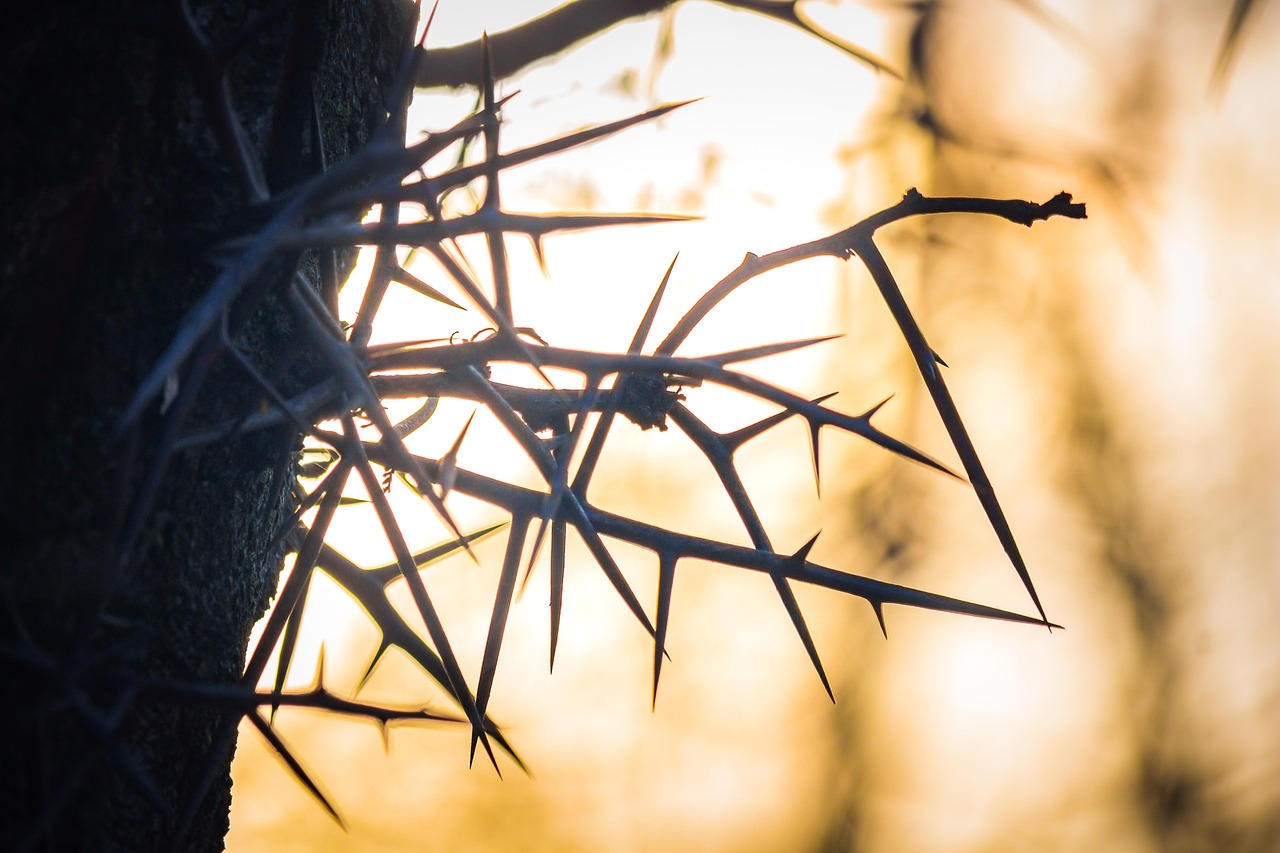
    Zaqqūm tree is the most dreadful for the Zaqqūm tree (Shajarat al-Zaqqūm) grows at the bottom of Hell (Jahannam), not in this world. Zaqqūm is a tree of the cactus species found in Tihamah. It is bitter in taste, obnoxious in smell and sheds a milk like juice when cut or broken. The fruits of Zaqqūm are shaped like heads of devils (Qur'an 37:62-68). Some Muslim scholars believe in a literal meaning of this tree grown in fire, showing the inverted flora of hell. The inhabitants of hell are forced to eat the tree's fruits, which tears their bodies apart and releases bodily fluids as a punishment. 

    That is why Al Qur'an has exclusively mentioned the Zaqqūm tree as a warning to the sinners and idolaters or the polytheists to mend their way, repent and seek forgiveness of Allah before they are thrown into the pit of hell and forced to eat the "fruit" of the Zaqqūm tree.

    Where Zaqqūm tree is mentioned in the Qur’an
    It appears in several places:
    •  Surah Ad-Dukhan (44:43-46)
      • "Indeed, the tree of Zaqqūm will be food for the sinful.
      • Like molten brass, it will boil in their bellies.
      • Like the boiling of scalding water."
    • Surah Al-Waqi‘ah (56:52-54)
      • "Then you will surely eat from the tree of Zaqqūm
      • And fill your bellies with it,
      • Then drink on top of that scalding water."
    • Surah Al Isra (17:60) And recall when We said to you, (O Muhammad), that your Lord encompasses these people; and that We have made that vision that We have shown you, and the tree accursed in the Qur'an, but as a trial for people. We go about warning them, but each warning leads them to greater transgression.
    • Surah As-Saffat (37:62-66)
      • "Is that (Paradise) a better accommodation or the tree of Zaqqūm?
      • Indeed, We have made it a trial for the wrongdoers.
      • Indeed, it is a tree issuing from the bottom of Hellfire,
      • Its emerging fruit as if it were heads of devils.
      • And indeed, they will eat from it and fill their bellies with it."
      • Explanation by Ibn Kathir: When this revelation was made in the Quran, the people of ancient Arabia started mocking it. One of the chiefs said, ‘How can a tree grow amidst the fire of hell?’ Another chief said, ‘Muhammad is terrifying us by talking of Zaqqum, when the fact is that dates and butter are called Zaqqum, in the Berber language.’ Abu Jahl took some people home and asked his maidservant to bring some dates and butter and when they were brought, he said to his companions, ‘Eat this. This is the Zaqqum with which you are being threatened by Muhammad.’ (Tafsir al-Mazhari). Such Quranic statements were misused by unbelievers to demonstrate the untrustworthiness of the Quran. God might well have refrained from using such a word as would give unbelievers the opportunity to raise unnecessary issues, but He did not do so. The reason is that this creates the very situation in which a man is meant to be tried. In order to achieve salvation, he has to prove that by avoiding unnecessary issues he has given his full attention to the truth; that, by carefully avoiding misunderstandings, he has managed to discover the real purpose of the argument; that he has concentrated entirely on facts, although there were many opportunities for his mind to be diverted from them. God’s selected few are those who rise above traditional religion and discover the real Truth; who rise above outward appearances and realise the real meaning of occurrences; who recognize God’s representative and become his supporters.
    Hadiths that mention Zaqqūm tree
    • The Prophet (pbuh) sates the following about the tree of Zaqqūm: “If one drop from the tree of Zaqqūm were to fall into the seas of the world, it would turn the life of everybody upside down. What about the state of those who will eat Zaqqūm?” (Tirmidhi, Jahannam, 4; Hakim, al-Mustadrak, 2/294)
    • Narrated Ibn `Abbas: Regarding: 'And We granted the vision (Ascension to the Heaven "Miraj") which We showed you (O Muhammad as an actual eye witness) but as a trial for mankind.' (17.60) It was an actual eyewitness which was shown to Allah's Messenger (ﷺ) during the night he was taken on a journey (through the heavens). And the cursed tree is the tree of Az-Zaqqum (a bitter pungent tree which grows at the bottom of Hell). Sahih al-Bukhari 4716
    Why It’s Mentioned
    • Mention of this cursed and dreadful tree serves as a warning to disbelievers and wrongdoers about the torment of Hell.
    • It highlights the contrast between the blessings of Paradise and the punishments of Hell.
    • The tree is a symbol of ultimate suffering, as its fruits are repulsive and its consumption causes extreme torment.
    Key Lessons
    • Accountability: Actions have consequences in the afterlife.
    • Contrast: Qur’an often juxtaposes the rewards of Jannah with the punishments of Jahannam to encourage righteousness.
    • Spiritual Reality: The Zaqqūm tree is not metaphorical in Islamic belief; it is part of the unseen reality of the Hereafter.
    Every warning in Al Qur'an is to forewarn the sinners and the wrongdoers to reform their lives and turn to One True God in repentance of their cursed and dark past. Those who seek repentance before angel of death knocks at their door will be pardoned. But those who shrug off such warnings and continue to follow a life and path of Satan will be the utter losers and inhabitants of hell, where the boiling water will be their drink and thorns of the Zaqqūm tree their food - neither of the two difficult to drink and eat, but will be forced to do so again and again.

    Time is now to change our life course and repent, lest we end up in a place so detestable and cursed. Decide now: Is it better to eat from the tree of Zaqqum and drink boiling water or to eat the food of Paradise and drink from the rivers of Paradise?

    May Allāh (سبحانه و تعالى‎) help us understand Qur'ān and follow the Sunnah of Prophet Muhammad ﷺ, which is embodiment of commandments of Allah contained in the Qur'ān. May Allah help us to be like the ones He loves and let our lives be lived helping others and not making others' lives miserable or unlivable. May all our wrong doings, whether intentional or unintentional, be forgiven before the angel of death knocks on our door. 
    وَمَا عَلَيۡنَاۤ اِلَّا الۡبَلٰغُ الۡمُبِيۡنُ‏ 
    (36:17) and our duty is no more than to clearly convey the Message.”
    That is Our duty is only to convey to you the message that Allah has entrusted us with. Then it is for you to accept it or reject it. We have not been made responsible for making you accept it forcibly, and if you do not accept it, we shall not be seized in consequence of your disbelief, you will yourselves be answerable for your actions on Day of Resurrection.

    May Allah forgive me if my posts ever imply a piety far greater than I possess. I am most in need of guidance.

    Reading the Qur'ān should be a daily obligation of a Muslim - Reading it with translation will make it meaningful. But reading its Exegesis / Tafsir will make you understand it fully. It will also help the Muslims to have grasp over social issues and their answers discussed in the Qur'an and other matter related to inter faith so that they are able to discuss issues with non-Muslims with authority based on refences from Qur'an.

    Note: When we mention God in our posts, we mean One True God, we call Allah in Islam, with no associates. Allah is the Sole Creator of all things, and that Allah is all-powerful and all-knowing. Allah has no offspring, no race, no gender, no body, and is unaffected by the characteristics of human life.

    You may also refer to our Reference Pages  and Understanding Al Qur'an for knowing more about Islam and Qur'ān.
    Photo | Reference: | 1 | 23

    Disclaimer: The material for this post has been collected from the references given above and ChatGPT. If anyone differs with the material contained in this post, one may consult the references and their authors.  If someone has more material about the subject, he/she is most welcome to share in the comments box to make the post all encompassing.

    If you like Islam: My Ultimate Decision, and to keep yourself updated on all our latest posts to know more about Islam, follow us on Facebook. You may also refer to our Facebook  Group Islam: The Ultimate Truth for more on Islam and Da'wah.

    Please share this page to your friends and family members through Facebook, WhatsApp or any means on social media so that they can also be benefited by it and better understand Islam and the Qur'ān - Insha Allah (Allah Willing) you shall be blessed with the best of both worlds.

    Wednesday, 6 November 2024

    Is Resurrection a reality?

    Man is always afraid of death and accountability. For many, this life is all that one has to live in and after one's death, one comes to end of one's life with no account books of worldly deeds opened and questioned. Unlike such beliefs, belief in resurrection is essential to Islamic faith, as it signifies the beginning of the Hereafter, where people are brought back to life to be judged for their deeds.

    In Surah 36. Yasin, Allah reminds us that He, who created us from nothing, is fully capable of recreating us:

    Does man not consider that We created him from a [mere] sperm-drop – then at once he is a clear adversary? And he presents for Us an example and forgets his [own] creation. He says, 'Who will give life to bones while they are disintegrated?' Say, 'He who produced them the first time will give them life, and He is, of all creation, Knowing.’” (Qur’an 36:77-79)

    In another verse in Surah 30 Ar Rum (verse 19), Allah connects the cycle of life and death in nature to the resurrection, drawing a parallel between the revival of the earth after rain and the resurrection of human beings on the Day of Judgment:

    "And He brings the dead to life and brings the living from the dead and revives the earth after its death. And thus will you be brought out [of it]."

    In fact, the Resurrection is presented as a necessary reality to fulfill the purpose of life and ensure justice. Allah states:

    "Did you think that We created you in vain and that to Us you would not be returned?" (Qur’an 23:115)

    Without resurrection and accountability, life would appear meaningless, and there would be no ultimate justice. Resurrection thus ensures that every individual is rewarded or punished for their deeds.

    Beside mention of Resurrection in Qur'an, Prophet Muhammad ﷺ to have described resurrection as a moment when all humans will be brought back to life and held accountable. He said:

    The people will be gathered on the Day of Resurrection barefoot, naked, and uncircumcised.” (Sahih al-Bukhari and Muslim)

    This hadith emphasizes that resurrection involves a real, physical re-creation of every person to stand before Allah and face judgment.

    In light of the Qur’an and Sunnah, resurrection is undoubtedly a reality in Islam. It is affirmed by:
    • Allah’s Creative Power: If Allah created us once, He is capable of resurrecting us.
    • Signs in Nature: Allah uses examples like reviving dead earth after rain to illustrate resurrection.
    • Purpose of Life and Justice: Resurrection allows for accountability and fulfills life’s purpose.
    • The Prophet’s Teachings: The Prophet’s descriptions of the Day of Judgment and reminders about accountability support the reality of resurrection.
    Thus, resurrection is not only a core belief but is essential for understanding life’s purpose and preparing for the Hereafter. Belief in resurrection encourages Muslims to live with consciousness of their actions, knowing they will stand before Allah for ultimate judgment.

    The 75th Surah of Qur'an, Surah Al Qiyama (The Resurrection) explains in detail about coming of day when everyone who was ever born on earth will be brought to life again and questioned about his deeds and rewarded and awarded accordingly. We will not discuss this Surah here but share a detailed explanation of reality of the Resurrection by eminent Muslim scholar Nauman Ali Khan.

    In this short snippet taken from Surah Al-Qiyamah, Ustadh Nouman Ali Khan dives deep into the powerful message of the Quran regarding resurrection and human defiance. Allah challenges the arrogance of those who dare to think their bones won’t come together again. Through detailed analysis, we explore the grandeur of Allah’s words and the profound implications of resurrection mentioned in the Quran.. Please watch the video:

    About Nouman Ali Khan: Born to a Pakistani family, Nouman Ali Khan is an American Muslim speaker and Arabic instructor who founded the Bayyinah Institute for Arabic and Qur’anic Studies, after serving as an instructor of Arabic at Nassau Community College. He has been named one of the 500 most influential Muslims in the world by the Royal Islamic Strategic Studies Centre of Jordan.

    The mentions from Quran and Sunnah, the explanation of reality of Resurrection by Nauman Ali Khan should leave no doubt about its happening. Those who still not believe in the Day of Judgement when every human being who ever lived will be resurrected should read Qur'an more and know what is being said and forewarned about. Remember God does not lie!!

    May Allāh (سبحانه و تعالى‎) help us understand Qur'ān and follow the Sunnah of Prophet Muhammad ﷺ, which is embodiment of commandments of Allah contained in the Qur'ān. May Allah help us to be like the ones He loves and let our lives be lived helping others and not making others' lives miserable or unlivable. May all our wrong doings, whether intentional or unintentional, be forgiven before the angel of death knocks on our door. 

    وَمَا عَلَيۡنَاۤ اِلَّا الۡبَلٰغُ الۡمُبِيۡنُ‏ 
    (36:17) and our duty is no more than to clearly convey the Message.”
    That is our duty to convey only to you the message that Allah has entrusted us with. Then it is for you to accept it or reject it. We have not been made responsible for making you accept it forcibly, and if you do not accept it, we shall not be seized in consequence of your disbelief, you will yourselves be answerable for your actions on Day of Resurrection.

    May Allah forgive me if my posts ever imply a piety far greater than I possess. I am most in need of guidance.

    Disclaimer: The views expressed in the video above are those of the scholar concerned. We have shared this view as added information in better understanding of Islam. The reader may or may not agree with the view owing to their own perception. If anyone differs with the material contained in this post, one may consult the references and their authors.  If someone has more material about the subject, he/she is most welcome to share in the comments box to make the post all encompassing.

    Photo | Surah Al Qiyama | 1 | 2 | 3 |

    For more Scholarly views and videos, please read our reference page: Scholars' Viewpoint on Important Issues Related to IslamYou may also refer to our Reference Pages for knowing more about Islam and Quran.
    If you like Islam: My Ultimate Decision, and to keep yourself updated on all our latest posts to know more about Islam, follow us on Facebook. You may also refer to our Facebook  Group Islam: The Ultimate Truth for more on Islam and Da'wah.

    Please share this page to your friends and family members through Facebook, Twitter, WhatsApp or any means on social media so that they can also be benefited by it and better understand Islam and the Holy Qur'an - Insha Allah (Allah Willing) you shall be blessed with the best of both worlds.

    Sunday, 29 October 2023

    Who shall be brought low (on Day of Judgement)

    Man is born to be obedient. Right from the day he opens his eyes, he is taught to be obedient and respectful to his parents and elders, and the chain continues as he grows. He is to be obedient and respectful to his teachers in the school and honour the school discipline. When he gets employed, he is to be loyal and obedient to his employer, and honour the rules of the company he is serving in. At no stage of one's life, one is to deviate from the rules of obedience, honour and commitment.

    Now raising the pedestal level and see a man's obligation to his Creator, the Sole Lord of the entire universe. Man has not been born in vain. Like being obedient and respectful to one's elders and place of work, he too has to exhibit obedience and loyalty to his Creator. Rather the level of loyalty, obedience and honour has to be of a level incompatible with any worldly relation.

    That is, one has to bow to the WILL of his Creator without even raising a eyebrow. The restrictions imposed by One and the Only God are to be accepted and adhered to without a question. These Divine Rules have been sent to man through messengers of Allah since the Prophet Adam (may peace be upon him). Initially these Divine Laws were restricted to smaller communities and then the area of influence kept expanding so that no one is left out to know and respect these Divine Laws and Commandments. The Divine Books contained these laws, four in number, sent to man through Prophets Dawud (David), Musa (Moses), Eesa (Jesus) and Muhammad (may peace be upon all). 

    All along the history, we have seen communities and people have vanished from the earth when they were punished for not obeying the One True God. Today only their remains remain as a reminder to those who do not accept the Divine Commandments and dishonour His messengers and prophets. And the bounds set by God have to be respected at all costs, otherwise grievous suffering [in the life to come] awaits all who deny the truth.

    With this premise in view, we share today the fifth verse of Surah 58. Al-Mujadila (The Pleading woman) to caution those who oppose Allah and His final Messenger, Prophet Muhammad ﷺ, and if they do not do so, they will be meted out to a treatment unimaginable on the Day of the Judgement:

    اِنَّ الَّذِيۡنَ يُحَآدُّوۡنَ اللّٰهَ وَرَسُوۡلَهٗ كُبِتُوۡا كَمَا كُبِتَ الَّذِيۡنَ مِنۡ قَبۡلِهِمۡ​ وَقَدۡ اَنۡزَلۡنَاۤ اٰيٰتٍۢ بَيِّنٰتٍ​ ؕ وَ لِلۡكٰفِرِيۡنَ عَذَابٌ مُّهِيۡنٌ​ ۚ‏ 
    (58:5) Verily those who oppose Allah and His Messenger shall be brought low even as those before them were brought low. Surely, We have sent down Clear Signs; and a humiliating chastisement awaits the unbelievers;
    "Those who oppose. . . ": Those who do not recognize the bounds set by Allah and instead set some other bounds for themselves. Ibn Jarir Tabari has given this commentary of this verse: "That is, the people who resist Allah with regard to the bounds and duties enjoined by Him, and set for themselves some other bounds instead of the bounds set by Him." Baidawi; has given this commentary of it: "That is, they show hostility towards and dispute with Allah and His Messenger, or set other bounds for themselves than the bounds set by them, or adopt the bounds set by others. " Alusi in his Ruh Al-Ma `ani has concurred with Baidawi in this commentary and cited the statement of Shaikh-ul-Islam Sa`dullah Chalpi to the effect: "In this verse a threat has been held out to those kings and evil rulers who have framed many such rules as are opposed to the bounds set by the Shari ah, and called tjem law." Here, `Allama Alusi has dwelt upon the constitutional status (i.e, constitutional from the Islamic viewpoint) of the manmade laws as against the Shari ah laws and concluded thus:

    "There can be no doubt in the disbelief of the person who regards this law as commendable and superior to the Shari ah and says that it is wiser and better suited to the genius of the people. And when the Shari ah injunction in a particular matter is pointed out to him, he is angry, as we have seen some of those who are under the curse of Allah. "  

    (shall be brought low even as those before them were brought low) The word used in the original is kabt كُبِتَ, which means to disgrace, to destroy, to curse, to drive off, to push out, to debase. What is meant to be said is that the communities of the former Prophets who resisted Allah and His Messenger and rebelled against His Commandments have already gone to their doom. Now those from among the Muslims who adopt the same attitude in life will also meet with the same evil end. Whenever the people made their own laws contradictory to Divine Law, or adopted laws made by others, they were deprived of Allah's bounty and grace, with the result that their lives were filled with deviations, immoralities and moral and social evils, which caused them to be ultimately degraded and humiliated oven in this world. If the same error now is committed by the community of the Prophet Muhammad (upon whom be Allah's peace and blessings), there is no reason why it should continue to be regarded with favor by Allah and He may go on protecting it from a disgraceful destruction for ever and ever. Allah had neither any ill will against the communities of His former Messengers nor has He any special connection with the community of this Messenger. 

    (Surely, We have sent down Clear Signs; and a humiliating chastisement awaits the unbelievers) A little consideration of the context shows that here two punishments of this attitude have been mentioned:
    (1) Kabt, i.e. debasement and humiliation of this world; and
    (2) adhab muhin, i.e. a disgraceful torment that they will suffer in the Hereafter.

    Tafsir Ibn-Kathir: (Explaining the Punishment of the Enemies of the Religion)
    Allah states that those who defy Him and His Messenger and contradict His commandments, (كُبِتُواْ كَمَا كُبِتَ الَّذِينَ مِن قَبْلِهِمْ will be disgraced as those before them were disgraced) meaning, they will be humiliated, cursed and disgraced, just as what happened to their like were before them,

    (وَقَدْ أَنزَلْنَآ ءَايَـتٍ بَيِّنَـتٍ And We have sent down clear Ayat.) meaning, none contradicts or opposes them, except a disbeliever, rebellious, sinner,

    (وَلِلْكَـفِرِينَ عَذَابٌ مُّهِينٌ And for the disbelievers is a disgraceful torment) meaning, as just recompense for their arrogant refusal to follow, obey and submit to the religion of Allah.
     
    Javed Ahmad Ghamidi Explanation:
    This is a reference to the Hypocrites all of whose sympathies were with the enemies of Islam, in particular the Jews. They would launch a whispering campaign and a secret propaganda against any teaching of Islam they would regard as being against their desires. The purpose would be to create doubts in the minds of weak Muslims and strip them of their conviction in Islam.

    Thus, their fate will be the same as the one met by the rejecters of the messengers of God after these messengers have conclusively communicated the truth to them. This is an established practice of God and He never changes this established practice. His law is the same for everyone.

    Tafsir Qur'an Wiki:
    The opening passage of the surah provided an aspect of the care shown to the Muslim community, while this second passage provides an aspect of antagonism to the opposite group who contend against God and His Messenger. The Arabic term, translated here as 'contend' is derived from the same root as the word used earlier, which means 'boundaries'. Thus, this group are defined as taking a stand at the other boundary, confronting God and His Messenger. This gives an image of two parties in contention and confrontation. As such, it serves to show their action in a very bad light. How miserable for a creature to be in open hostility to his Creator when it is He who provides him with sustenance.

    These people who are in contention "shall be brought low as those who lived before them were brought low." The way this sentence is phrased in Arabic may be understood as a prayer against them. A prayer by God is a sentence of judgement that makes it inevitable since it is He who pronounces this sentence, and His will is always done. The phrase, those who lived before them,' refers either to earlier communities who were punished by God, or to the then unbelievers who suffered humiliating defeats at the hands of the Muslims prior to the revelation of this surah, as happened, for example, at the Battle of Badr.

    "We have bestowed from on high clear revelations." This sentence separates the two fates suffered by the unbelievers in this life and in the life to come, in order to point out that both fates are clearly stated in these verses. It also tells us that these unbelievers do not face these fates as a result of ignorance or any ambiguity in the truth. Indeed, the truth has been put to them clearly and lucidly in these revelations, which they too have been given.

    As the surah refers to their fate in the hereafter, it adds an inspiring comment that serves an educational purpose: "Shameful suffering awaits the unbelievers on the day when God will raise them all from the dead and tell them exactly all that they did in lift. God will have taken it all into account, even though they may have forgotten it. God is witness to all things. (Verses 5-6) They are made to suffer shame in punishment for their arrogance. This shameful suffering will take place on the day when all will be resurrected. Thus, it will be seen by all. Besides, the suffering is determined on the basis of a true account of their deeds. If they have forgotten these, God has recorded them all, as nothing escapes His knowledge: "God is witness to all things."

    To sum the discussion on the aforesaid verse, let us say that God (with no assistance and associates) sent down His divine Wisdom in the shape of Commandments gradually, so that man could start to absorb them gradually. When communities enlarged, the requirements of imposition of Divine Law increased and Divine Books were revealed, each adding more to the previous. This finally culminated in the revelation of Qur'an, the last and the final Godly scripture for the guidance of mankind till the end of the earthly life. Hence, not accepting Qur'an but accepting the previous scriptures is sheer display of animosity to One True God and His final Messenger, Muhammad ﷺ. 

    Although, many a non-Muslims, especially adherents of the earlier Divine religions, have started to accept the Divine Wisdom contained in the Qur'an and Sunnah of Prophet Muhammad ﷺ, and entering the fold of Islam in large number, yet a majority is till hesitant to accept the truth, and show extreme hatred toward Islam and have unleashed campaign of Islamophobia to belittle Islam. They even taunt God of Muslims as something different from their God, in one case Gods, just to close their eyes from seeing and reading the truth contained in Qur'an.

    But the world is getting wiser day by day as it is heartening to see more and more non-Muslims entering the fold of Islam through extensive reading of Qur'an, Sunnah and Hadith of Prophet Muhammad ﷺ and realizing that the hatred spread against Islam is only to escape from reality.
    May Allāh (سبحانه و تعالى‎) help us understand Qur'ān and follow the Sunnah of Prophet Muhammad ﷺ, which is embodiment of commandments of Allah contained in the Qur'ān. May Allah help us to be like the ones He loves and let our lives be lived helping others and not making others' lives miserable or unlivable. May all our wrong doings, whether intentional or unintentional, be forgiven before the angel of death knocks on our door. 
    وَمَا عَلَيۡنَاۤ اِلَّا الۡبَلٰغُ الۡمُبِيۡنُ‏ 
    (36:17) and our duty is no more than to clearly convey the Message.”
    That is Our duty is only to convey to you the message that Allah has entrusted us with. Then it is for you to accept it or reject it. We have not been made responsible for making you accept it forcibly, and if you do not accept it, we shall not be seized in consequence of your disbelief, you will yourselves be answerable for your actions on Day of Resurrection.

    Reading the Qur'ān should be a daily obligation of a Muslim - Reading it with translation will make it meaningful. But reading its Exegesis / Tafsir will make you understand it fully. It will also help the Muslims to have grasp over social issues and their answers discussed in the Qur'an and other matter related to inter faith so that they are able to discuss issues with non-Muslims with authority based on refences from Qur'an.

    May Allah forgive me if my posts ever imply a piety far greater than I possess. I am most in need of guidance.

    Note: When we mention God in our posts, we mean One True God, we call Allah in Islam, with no associates. Allah is the Sole Creator of all things, and that Allah is all-powerful and all-knowing. Allah has no offspring, no race, no gender, no body, and is unaffected by the characteristics of human life.

    You may refer to our reference page: Believers!! Beware of the Rules of the Divine Court on the Day of Judgement to read more directives on the subject. 

    For more Selected Verses, please refer to our reference page: Selected Verses from the Qur'anYou may also refer to our Reference Pages  and Understanding Al Qur'an for knowing more about Islam and Qur'ān.
    Photo | Tafsir References: | 1 | 2 | 3 | 4 | 5 |

    An effort has been made to gather explanation / exegesis of the surahs of the Qur'ān from authentic sources and then present a least possible condensed explanation of the surah. In that the exegesis of the chapters of the Quran is mainly based on the "Tafhim al-Qur'an - The Meaning of the Qur'an" by one of the most enlightened scholars of the Muslim World Sayyid Abul Ala Maududi.  
    In order to augment and add more explanation as already provided, additional input has been interjected from the following sources: 
    • Tafsir Ibn Khatir
    • Muhammad Asad Translation
    • Yusuf Ali Translation
    • Translation Javed Ahmad Ghamidi / Al Mawrid
    • Qur'an Wiki
    • Verse by Verse Qur'an Study Circle
    • Towards Understanding the Quran
    In addition, references of other sources which have been explored have also been given above. Those desirous of detailed explanations and tafsir (exegesis), may refer to these sites.

    Disclaimer: The material for this post has been collected from the references given above. If anyone differs with the material contained in this post, one may consult the references and their authors.  If someone has more material about the subject, he/she is most welcome to share in the comments box to make the post all encompassing.

    If you like Islam: My Ultimate Decision, and to keep yourself updated on all our latest posts to know more about Islam, follow us on Facebook

    Please share this page to your friends and family members through Facebook, WhatsApp or any means on social media so that they can also be benefited by it and better understand Islam and the Qur'ān - Insha Allah (Allah Willing) you shall be blessed with the best of both worlds.

    Saturday, 21 October 2023

    Beware of The Day of Matter Adequate

    Man feels secure in his worldly life where he is protected by his parents, family and friends whenever any distress befalls him. There is always some hope or access to a helping hand that can save from a disaster or distress. For many evil doers, their advocates and lawyers come handy who save them from clutches of justice by tacit articulation of law and let them live a free life.

    But behold!! for how long. Allah gives leverage to the criminals for a considered time and provides them adequate time to repent and seek Divine forgiveness. But those who, due to their sheer arrogance, position and wealth often brush off Divine warnings and cautions for they think they can prevail upon everyone due to their position and wealth. For such ungrateful people, we share the 37th verse of Surah 80. Abasa that warns them of the Day of Matter Adequate!! 

    Sūrah ʻAbasa " سورة عَبَسَ " is the eightieth sürah with 42 āyāt with two rukus, part of the 30th Juzʼ  of the Holy Qur'ān. In its verses 33-42, the picture of the day of judgement is painted when no one shall care about his own mother, father, brother or children. The world as we know it will have so completely passed away that the landmarks in the heavens and on earth will also have vanished. Not only that, but the human relationships of mind and heart will have been transformed by sin into something ugly and dreadful. The sinners will be so overcome with terror at the realization of their personal responsibility that they will desert their most intimate friends, and indeed their very sight of each other will add to their agony.

    لِكُلِّ امۡرِیءٍ مِّنۡهُمۡ يَوۡمَـئِذٍ شَاۡنٌ يُّغۡنِيۡهِؕ‏ 
    (80:37)   For every man, that Day, will be a matter adequate for him.
    A tradition has been reported in the Hadith by different methods and through different channels, saying that the Prophet (peace be upon him) said: On the Day of Resurrection all men will rise up naked. One of his wives (according to some reporters, Aishah, according to others, Saudah, or a woman) asked in bewilderment: O Messenger of Allah, shall we (women) appear naked on that Day before the people. The prophet (peace be upon him) recited this very verse and explained that on that Day each one will have enough of his own troubles to occupy him, and will be wholly unmindful of others. (Nasai, Tirmidhi, Ibn Abi Hatim,)

    Tafsir Ibn-Kathir: (The Day of Judgement and the fleeing of the People from Their Relatives during it):
    Ibn `Abbas said, "As-Sakhkhah is one of the names of the Day of Judgement that Allah has magnified and warned His servants of.' Ibn Jarir said, "Perhaps it is a name for the blowing into Trumpet.'' Al-Baghawi said, "As-Sakhkhah means the thunderous shout of the Day of Judgement. It has been called this because it will deafen the ears. This means that it pierces the hearing to such an extent that it almost deafens the ears.'

    (That Day shall a man flee from his brother, and from his mother and his father, and from his wife and his children.) Qatadah said, "The most beloved and then the next most beloved, and the closest of kin and then the next closest of kin -- due to the terror of that Day.' 

    Allah said, (لِكُلِّ امْرِىءٍ مِّنْهُمْ يَوْمَئِذٍ شَأْنٌ يُغْنِيهِ Every man that Day will have enough to make him careless of others.) meaning, he will be preoccupied in his business and distracted from the affairs of others. 

    Ibn Abi Hatim recorded from Ibn `Abbas that the Messenger of Allah said, (You will all be gathered barefoot, naked, walking and uncircumcised.) So, his wife said, "O Messenger of Allah! Will we look at or see each other's nakedness'' The Prophet replied, (Every man among them on that Day will have enough (worries) to make him careless of others) -- or he said: (he will be too busy to look.) 

    Ibn `Abbas narrated that the Prophet said, (You will all be gathered barefoot, naked and uncircumcised.) So, a woman said, "Will we see or look at each other's nakedness'' He replied, (O so-and-so woman! Every man among them on that Day will have enough (worries) to make him careless of others.) At-Tirmidhi said, "This Hadith is Hasan Sahih.''

    Yusuf Ali Explanation
    That is "Nor friend will ask after a friend that Day. On the contrary the sinner will desire to save himself at the expense even of his own family and benefactors."

    This is as said in Surah 70 Al Maarij (The Ascending Steps), verses 10-14:
    • (70:10) And no friend will ask after a friend
    • (70:11 Though they will be put in sight of each other the sinner's desire will be: would that he could redeem himself from the Penalty of that Day by (sacrificing) his children) That is the sinner will offer his children, his family, his kinsmen, who had sheltered and protected him, -in fact everything on earth that he could-as a ransom for himself. Such would be his selfishness and his agony.
    • (70:12) His wife and his brother
    • (70:13) His kindred who sheltered him.
    • (70:14 And all all that is on earth so it could deliver him) What would not the sinner give for his own deliverance! But nothing could save him. The Fire of Hell would be roaring for him!
    Tafsir Qur'an Wiki:
    The fearfulness depicted in this scene is purely psychological. It strikes the soul, isolates it and holds it in its grip. The result is that each of us will think only of ourselves. None shall have any time or power to think of others: “For each one of them will on that day have enough preoccupations of his own.” The description is vivid; yet there can be no shorter and yet more comprehensive statement to describe the general condition of worried minds and souls.

    A picture has been painted, my brothers and sisters in Islam, as a caution and warning for all of us of a day when we shall stand all alone to answer for our bad deeds. And pray we do not fall short of good deeds that will be traded for each of our bad deeds, and that some good deeds are still left that could help us in achieving Divine forgiveness. However, before that day of matter adequate, let us leave all bad things and wrongdoings while we are still alive so that we do not have to stand in shame, for on that day any regret or apology will not help us.
    May Allāh (سبحانه و تعالى‎) help us understand Qur'ān and follow the Sunnah of Prophet Muhammad ﷺ, which is embodiment of commandments of Allah contained in the Qur'ān. May Allah help us to be like the ones He loves and let our lives be lived helping others and not making others' lives miserable or unlivable. May all our wrong doings, whether intentional or unintentional, be forgiven before the angel of death knocks on our door. 
    وَمَا عَلَيۡنَاۤ اِلَّا الۡبَلٰغُ الۡمُبِيۡنُ‏ 
    (36:17) and our duty is no more than to clearly convey the Message.”
    That is Our duty is only to convey to you the message that Allah has entrusted us with. Then it is for you to accept it or reject it. We have not been made responsible for making you accept it forcibly, and if you do not accept it, we shall not be seized in consequence of your disbelief, you will yourselves be answerable for your actions on Day of Resurrection.

    Reading the Qur'ān should be a daily obligation of a Muslim - Reading it with translation will make it meaningful. But reading its Exegesis / Tafsir will make you understand it fully. It will also help the Muslims to have grasp over social issues and their answers discussed in the Qur'an and other matter related to inter faith so that they are able to discuss issues with non-Muslims with authority based on refences from Qur'an.

    May Allah forgive me if my posts ever imply a piety far greater than I possess. I am most in need of guidance.

    Note: When we mention God in our posts, we mean One True God, we call Allah in Islam, with no associates. Allah is the Sole Creator of all things, and that Allah is all-powerful and all-knowing. Allah has no offspring, no race, no gender, no body, and is unaffected by the characteristics of human life.

    You may read more posts on similar themes in our series of posts related to: Rules of Divine Court on Day of Judgement.

    For more Selected Verses, please refer to our reference page: Selected Verses from the Qur'anYou may also refer to our Reference Pages  and Understanding Al Qur'an for knowing more about Islam and Qur'ān.
    Photo | Tafsir References: | 1 | 2 | 3 | 4 | 5 | 6 |

    An effort has been made to gather explanation / exegesis of the surahs of the Qur'ān from authentic sources and then present a least possible condensed explanation of the surah. In that the exegesis of the chapters of the Quran is mainly based on the "Tafhim al-Qur'an - The Meaning of the Qur'an" by one of the most enlightened scholars of the Muslim World Sayyid Abul Ala Maududi.  
    In order to augment and add more explanation as already provided, additional input has been interjected from the following sources: 
    • Tafsir Ibn Khatir
    • Muhammad Asad Translation
    • Yusuf Ali Translation
    • Translation Javed Ahmad Ghamidi / Al Mawrid
    • Qur'an Wiki
    • Verse by Verse Qur'an Study Circle
    • Towards Understanding the Quran
    In addition, references of other sources which have been explored have also been given above. Those desirous of detailed explanations and tafsir (exegesis), may refer to these sites.

    Disclaimer: The material for this post has been collected from the references given above. If anyone differs with the material contained in this post, one may consult the references and their authors.  If someone has more material about the subject, he/she is most welcome to share in the comments box to make the post all encompassing.

    If you like Islam: My Ultimate Decision, and to keep yourself updated on all our latest posts to know more about Islam, follow us on Facebook

    Please share this page to your friends and family members through Facebook, WhatsApp or any means on social media so that they can also be benefited by it and better understand Islam and the Qur'ān - Insha Allah (Allah Willing) you shall be blessed with the best of both worlds.

    Friday, 4 November 2022

    Selected verses from Qur'an about Resurrection

    There is no denying the fact that this worldly life is but a temporary abode for the man, for it has to come to an end and a new life for all living and dead earlier will begin on and after the Day of Resurrection. Though atheists and many other do not believe in the life of the Hereafter, yet the reality will unfold one day when their arguments against it happening will be blown in the air and they will have to be made accountable for their weird ideas and disbelief in One True God and His decision to end the earthly life and make every soul that ever lived since Prophet Adam (may peace be upon him).

    In Qur'an, Allah warns the man of this day to happen when every soul will be fully repaid of his good or bad deeds. We have already shared a number of posts on the subject. In this post, we have compiled all earlier posted posts about Resurrection for consultation and to serve as a ready reckoner:
    May we be warned and fear the day which is bound to happen and continously seek forgiveness of our sins and bad deeds and reach out to those whom we have wronged and ask for their forgiveness, lest it is too late!!

    For compiled verses for more specific subjects, please refer to our exclusive reference page: "Selected verses from Al-Qurʾān about a specific subject."

    In addition, for more Selected Verses, please refer to our reference page: Selected Verses from the Qur'anYou may also refer to our Reference Pages and Understanding Al Qur'an for knowing more about Islam and Qur'ān.
    May Allāh (سبحانه و تعالى‎) help us understand Qur'ān and follow the Sunnah of Prophet Muhammad ﷺ, which is embodiment of commandments of Allah contained in the Qur'ān. May Allah help us to be like the ones He loves and let our lives be lived helping others and not making others' lives miserable or unlivable. May all our wrong doings, whether intentional or unintentional, be forgiven before the angel of death knocks on our door. 
    وَمَا عَلَيۡنَاۤ اِلَّا الۡبَلٰغُ الۡمُبِيۡنُ‏ 
    (36:17) and our duty is no more than to clearly convey the Message.”
    That is Our duty is only to convey to you the message that Allah has entrusted us with. Then it is for you to accept it or reject it. We have not been made responsible for making you accept it forcibly, and if you do not accept it, we shall not be seized in consequence of your disbelief, you will yourselves be answerable for your actions on Day of Resurrection.

    Reading the Qur'ān should be a daily obligation of a Muslim - Reading it with translation will make it meaningful. But reading its Exegesis / Tafsir will make you understand it fully. It will also help the Muslims to have grasp over social issues and their answers discussed in the Qur'an and other matter related to inter faith so that they are able to discuss issues with non-Muslims with authority based on refences from Qur'an.

    May Allah forgive me if my posts ever imply a piety far greater than I possess. I am most in need of guidance.

    Note: When we mention God in our posts, we mean One True God, we call Allah in Islam, with no associates. Allah is the Sole Creator of all things, and that Allah is all-powerful and all-knowing. Allah has no offspring, no race, no gender, no body, and is unaffected by the characteristics of human life.

    Photo

    If you like Islam: My Ultimate Decision, and to keep yourself updated on all our latest posts to know more about Islam, follow us on Facebook

    Please share this page to your friends and family members through Facebook, WhatsApp or any means on Social Media so that they can also be benefited by it and better understand Islam and the Qur'ān - Insha Allah (Allah Willing) you shall be blessed with the best of both worlds.

    Twitter Delicious Facebook Digg Stumbleupon Favorites More