.

Tuesday, 13 December 2022

The virtue of reciting the Qur’an (Hadith Prophet Muhammad ﷺ)

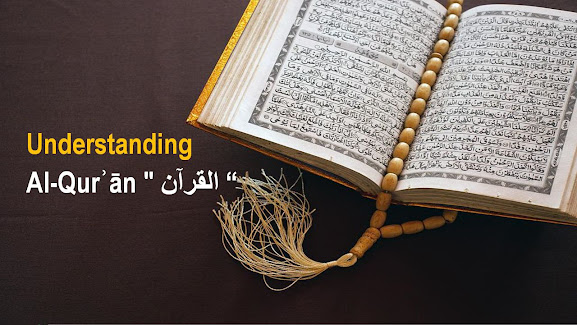
Qur'an is the last of the four Divine Scriptures, which is one of the most widely read book around the world. It is a book of guidance that steers a believer from the distractions of worldly life to ponder over the Divine Commandments and shape one's life accordingly.

However, its recitation without understanding is meaningless. Although, one gets blessed for reciting it, lucky are those who also act upon the guidance contained therein and also spread these Divine Commandments so that those who are unaware of the words of God should also get benefitted. 

Prophet Muhammad ﷺ has stressed the need to recite Qur'an much too often, specially the Surahs Al Baqarah and Al' Imran for these two chapters will act as intercessors for their reciters on the Day of Judgement. This Hadith is mentioned as Hadith number 604a in Ṣaḥīḥ Muslim (Book # 6 The Book of Prayer - Travellers كتاب صلاة المسافرين وقصرها / Chapter # 42 The virtue of reciting the Qur’an and Surat al-Baqarah باب فَضْلِ قِرَاءَةِ الْقُرْآنِ وَسُورَةِ الْبَقَرَةِ ‏), given herein under:

Abu Umama said he heard Allah's Messenger (ﷺ) say:

حَدَّثَنِي الْحَسَنُ بْنُ عَلِيٍّ الْحُلْوَانِيُّ، حَدَّثَنَا أَبُو تَوْبَةَ، - وَهُوَ الرَّبِيعُ بْنُ نَافِعٍ - حَدَّثَنَا مُعَاوِيَةُ، - يَعْنِي ابْنَ سَلاَّمٍ - عَنْ زَيْدٍ، أَنَّهُ سَمِعَ أَبَا سَلاَّمٍ، يَقُولُ حَدَّثَنِي أَبُو أُمَامَةَ، الْبَاهِلِيُّ قَالَ سَمِعْتُ رَسُولَ اللَّهِ صلى الله عليه وسلم يَقُولُ ‏ "‏ اقْرَءُوا الْقُرْآنَ فَإِنَّهُ يَأْتِي يَوْمَ الْقِيَامَةِ شَفِيعًا لأَصْحَابِهِ اقْرَءُوا الزَّهْرَاوَيْنِ الْبَقَرَةَ وَسُورَةَ آلِ عِمْرَانَ فَإِنَّهُمَا تَأْتِيَانِ يَوْمَ الْقِيَامَةِ كَأَنَّهُمَا غَمَامَتَانِ أَوْ كَأَنَّهُمَا غَيَايَتَانِ أَوْ كَأَنَّهُمَا فِرْقَانِ مِنْ طَيْرٍ صَوَافَّ تُحَاجَّانِ عَنْ أَصْحَابِهِمَا اقْرَءُوا سُورَةَ الْبَقَرَةِ فَإِنَّ أَخْذَهَا بَرَكَةٌ وَتَرْكَهَا حَسْرَةٌ وَلاَ تَسْتَطِيعُهَا الْبَطَلَةُ ‏"‏ ‏.‏ قَالَ مُعَاوِيَةُ بَلَغَنِي أَنَّ الْبَطَلَةَ السَّحَرَةُ ‏.‏

"Recite the Qur'an, for on the Day of Resurrection it will come as an intercessor for those who recite It. Recite the two bright ones, al-Baqarah and Surah Al 'Imran, for on the Day of Resurrection they will come as two clouds or two shades, or two flocks of birds in ranks, pleading for those who recite them. Recite Surah al-Baqarah, for to take recourse to it is a blessing and to give it up is a cause of grief, and the magicians cannot confront it." (Mu'awiya said: It has been conveyed to me that here Batala means magicians.)

It has also been quoted in Sahi Al Bokhari that Prophet of Allah said:
Verily the one who recites the Quran beautifully, smoothly, and precisely, he will be in the company of the noble and obedient angels. And as for the one who recites with difficulty, stammering or stumbling through its verses, then he will have TWICE that reward.” 

Let us not keep Qur'an beautifully wrapped in the top of our shelves. Let us recite Qur'an in bits everyday with translation so that we get benefitted from the guidance contained in it and shape outlives as ordained by Allah.

We at Islam: My Ultimate Decision have published the entire Qur'an with translation by a number of exegetes / eminent Muslim scholars and videos on Tafsir of the Qur'an so that everyone gets benefitted and understands it. Please use our Reference Page on Understand Al Qur'an.
May Allāh (سبحانه و تعالى‎) help us understand Qur'ān and follow the Sunnah of Prophet Muhammad ﷺ, which is embodiment of commandments of Allah contained in the Qur'ān. May Allah help us to be like the ones He loves and let our lives be lived helping others and not making others' lives miserable or unlivable. May all our wrong doings, whether intentional or unintentional, be forgiven before the angel of death knocks on our door.  
وَمَا عَلَيۡنَاۤ اِلَّا الۡبَلٰغُ الۡمُبِيۡنُ‏ 
(36:17) and our duty is no more than to clearly convey the Message.”
That is Our duty is only to convey to you the message that Allah has entrusted us with. Then it is for you to accept it or reject it. We have not been made responsible for making you accept it forcibly, and if you do not accept it, we shall not be seized in consequence of your disbelief, you will yourselves be answerable for your actions on Day of Resurrection.

May Allah forgive me if my posts ever imply a piety far greater than I possess. I am most in need of guidance.

Reading the Qur'ān should be a daily obligation of a Muslim - Reading it with translation will make it meaningful. But reading its Exegesis / Tafsir will make you understand it fully. It will also help the Muslims to have grasp over social issues and their answers discussed in the Qur'an and other matter related to inter faith so that they are able to discuss issues with non-Muslims with authority based on refences from Qur'an.

Note: When we mention God in our posts, we mean One True God, we call Allah in Islam, with no associates. Allah is the Sole Creator of all things, and that Allah is all-powerful and all-knowing. Allah has no offspring, no race, no gender, no body, and is unaffected by the characteristics of human life.

Please refer to our reference page: Sunnah and Hadith of Prophet Muhammad ﷺ to know more about sunnah of Prophet of Allah. You may also refer to our Reference Pages for knowing more about Islam and Qur'ān.

Disclaimer: The material for this post has been collected from the references as given below. If anyone differs with the material contained in this post, one may consult the references and their authors.  If someone has more material about the subject, he/she is most welcome to share in the comments box to make the post all encompassing.
Photo

If you like Islam: My Ultimate Decision, and to keep yourself updated on all our latest posts to know more about Islam, follow us on Facebook

Please share this page to your friends and family members through Facebook, WhatsApp or any means on Social Media so that they can also be benefited by it and better understand Islam and the Qur'ān - Insha Allah (Allah Willing) you shall be blessed with the best of both worlds.

Your God is One God, there is no god but He (Selected verses from Qur'an)

Oneness of God is central to the faith for those who believe in Islam. In a number of verses, this fact has been repeated to shun any misnomer that there exists a God who has a son who shares the Godly powers. Associating anyone else with One True God is the biggest crime, known as Shirk in Islam. This the concept of Tawhid in Islam wherein it is upheld that there is no god but God and Muhammad ﷺ is His prophet:
أَشْهَدُ أَنْ لَا إِلَٰهَ إِلَّا ٱللَّٰهُ وَأَشْهَدُ أَنَّ مُحَمَّدًا رَسُولُ ٱللَّٰهِ
The oneness of God is the quintessence of faith. On the whole, the debate has never been about God’s existence, however differently his entity, attributes or role in the universe might be viewed or defined by different societies and religions. Man’s nature has always led him to the belief in God. But in recent human history, a new philosophy has emerged, never known in human thinking before, which totally denies the very notion of God. This intellectual monstrosity has very little chance of becoming universal, because it is self-defeating and is invalidated by the very nature and structure of the universe and our own existence in it. [1]
We have already shared many verses from Qur'an on the similar theme. Today we share the 163rd verse of Surah 2. Al Baqarah (The Cow) in which the Oneness of God is also repeated:

وَاِلٰهُكُمۡ اِلٰهٌ وَّاحِدٌ  ۚ لَآ اِلٰهَ اِلَّا هُوَ الرَّحۡمٰنُ الرَّحِيۡمُ
(2:163) Your God is One God, there is no god but He; the Most Merciful, the Most Compassionate.

Tafsir Ibn-Kathir
In this Ayah, Allah mentions that He is the only deity, and that He has no partners or equals. He is Allah, the One and Only, the Sustainer, and there is no deity worthy of worship except Him. He is the Most Gracious ـ Ar-Rahman, the Most Merciful ـ Ar-Rahim. We explained the meanings of these two Names in the beginning of Surat Al-Fatihah. 

Shahr bin Hawshab reported that Asma' bint Yazid bin As-Sakan narrated that Allah's Messenger said: ( اسْمُ اللهِ الْأَعْظَمُ فِي هَاتَيْنِ الآيَتَيْنِ Allah's Greatest Name is contained in these two Ayat):
(وَإِلَـهُكُمْ إِلَـهٌ وَحِدٌ لاَّ إِلَـهَ إِلاَّ هُوَ الرَّحْمَـنُ الرَّحِيمُ  And your Ilah (God) is One Ilah (God ـ Allah), La ilaha illa Huwa (there is none who has the right to be worshipped but He), the Most Gracious, the Most Merciful.) and:
(الٓمٓ - ٱللَّهُ لَآ إِلَـٰهَ إِلَّا هُوَ ٱلْحَىُّ ٱلْقَيُّومُ Alif-Lam-Mim. Allah! La ilaha illa Huwa (none has the right to be worshipped but He), Al-Haiyul-Qaiyum (the Ever Living, the One Who sustains and protects all that exists).) (3:1, 2)''
Then Allah mentions some of the proof that He is alone as the deity, that He is the One who created the heavens and the earth and all of the various creatures between them, all of which testify to His Oneness. 

Note: You may like t read more about the two attributes of Allah mentioned in the aforesaid verse from links given below:
  • Ar Rahman (الرحمن) - The Beneficent, Most Kind and Gracious
  • Ar Rahim (الرحيم) - The Most Merciful
Yusuf Ali Explanation
Where the terrible consequences of Evil, i.e., the rejection of God, are mentioned, there is always stress laid on God's attributes of Grace and Mercy. In this case Unity is also stressed, because we have just been told about the Qibla symbol of unity and are about to pass the theme of unity in diversity, in Nature and in the social laws of human society.

Javed Ahmad Ghamidi Explanation:
Verse 162 ends the second section of the Sūrah. Near the end of this section, it was declared that a Muslim ummah has been constituted from the Ishmaelites who were one branch of Abraham’s progeny. With these verses begins the third section of the Sūrah in which the directives of Abraham’s religion are once again revived for this ummah. They begin with the directive of Tawḥīd and then after that in a certain sequence all the directives of the sharī‘ah have been stated that were appropriate to be given during the period of revelation of this Sūrah. While stating these directives, a negation is also made of the religious innovations which the Jews and the Idolaters had incorporated in religion.

In the Arabic language, the word الٰه is used for someone who is worshipped and someone who does not require any means and sources to provide help. The word اللّٰه has been made from it by appending ال to it.

After stating the oneness of the Almighty both in a positive and a negative way, the attributes of Raḥmān and Raḥīm are stated from among the other glorious attributes of God. This reference, on the one hand, serves to negate the disappointment that may arise in a person on the basis of the aloofness of the Almighty by explaining the relationship of the Almighty with His creation so that a person himself seeks the nearness of the Almighty instead of finding some intermediary and seeks refuge in His mercy. On the other hand, this reference highlights God’s attributes of mercy and compassion to determine the right poise and balance in the attributes of the Almighty after which a person does not seek intercessors to save himself from God’s wrath and in times of hardship himself knocks at His door without any hesitation.

Tafsir Qur'an Wiki:
The passage affirms the principle of God’s oneness as an essential part of true faith and a solid foundation for man’s moral and social systems. The one God is the only deity to be adored and worshipped, and He is also the sole source of man’s moral codes and norms, and the origin of all the laws and regulations that govern and control man’s social, political and economic life and the life of the whole cosmos: “Your God is the One God: there is no deity but He, the Compassionate, the Merciful.” We cannot fail to note how the truth of God’s oneness is emphatically stressed here in several ways. Thus, the Lord worshipped and obeyed by all creatures is the only God who legislates for all people making clear for them what moral values to uphold. It is from Him that they receive all their legislation.

This central concept of Islam is re-emphasized time after time in the Qur’ān, particularly in the parts revealed in Makkah. It is brought up here in the context of preparing the Muslim community for its crucial universal leadership role. The Qur’ān hammers home these concepts so as to leave people in no doubt that the principle of God’s oneness permeates all aspects of life and all parts of existence.

God’s sovereignty over this world and His active control of its affairs stem from His grace attributes. He is “the Merciful, the Compassionate.”
May Allāh (سبحانه و تعالى‎) help us understand Qur'ān and follow the Sunnah of Prophet Muhammad ﷺ, which is embodiment of commandments of Allah contained in the Qur'ān. May Allah help us to be like the ones He loves and let our lives be lived helping others and not making others' lives miserable or unlivable. May all our wrong doings, whether intentional or unintentional, be forgiven before the angel of death knocks on our door. 
وَمَا عَلَيۡنَاۤ اِلَّا الۡبَلٰغُ الۡمُبِيۡنُ‏ 
(36:17) and our duty is no more than to clearly convey the Message.”
That is Our duty is only to convey to you the message that Allah has entrusted us with. Then it is for you to accept it or reject it. We have not been made responsible for making you accept it forcibly, and if you do not accept it, we shall not be seized in consequence of your disbelief, you will yourselves be answerable for your actions on Day of Resurrection.

Reading the Qur'ān should be a daily obligation of a Muslim - Reading it with translation will make it meaningful. But reading its Exegesis / Tafsir will make you understand it fully. It will also help the Muslims to have grasp over social issues and their answers discussed in the Qur'an and other matter related to inter faith so that they are able to discuss issues with non-Muslims with authority based on refences from Qur'an.

May Allah forgive me if my posts ever imply a piety far greater than I possess. I am most in need of guidance.

Note: When we mention God in our posts, we mean One True God, we call Allah in Islam, with no associates. Allah is the Sole Creator of all things, and that Allah is all-powerful and all-knowing. Allah has no offspring, no race, no gender, no body, and is unaffected by the characteristics of human life.

For more Selected Verses, please refer to our reference page: Selected Verses from the Qur'anYou may also refer to our Reference Pages  and Understanding Al Qur'an for knowing more about Islam and Qur'ān.
Photo: Pixabay | Reference: | 12 | 3 | 4 |
Reading the Qur'ān should be a daily obligation of a Muslim - Reading it with translation will make it meaningful. But reading its Exegesis / Tafsir will make you understand it fully.

An effort has been made to gather explanation / exegesis of the surahs of the Qur'ān from authentic sources and then present a least possible condensed explanation of the surah. In that the exegesis of the chapters of the Quran is mainly based on the "Tafhim al-Qur'an - The Meaning of the Qur'an" by one of the most enlightened scholars of the Muslim World Sayyid Abul Ala Maududi.  

In order to augment and add more explanation as already provided, additional input has been interjected from following sources: 
  • Towards Understanding the Quran
  • Tafsir Ibn Khatir
  • Muhammad Asad Translation
  • Javed Ahmad Ghamidi / Al Mawrid
  • Al-Quran, Yusuf Ali Translation
  • Verse by Verse Qur'an Study Circle
In addition, references of other sources which have been explored have also been given above. Those desirous of detailed explanations and tafsir (exegesis), may refer to these sites.

If you like Islam: My Ultimate Decision, and to keep yourself updated on all our latest posts to know more about Islam, follow us on Facebook

Please share this page to your friends and family members through Facebook, WhatsApp or any means on social media so that they can also be benefited by it and better understand Islam and the Qur'ān - Insha Allah (Allah Willing) you shall be blessed with the best of both worlds.

Untying Satanic Knots (Hadith Prophet Muhammad ﷺ)

Sleep is by far the most soothing blessing a man has from his Lord. When one comes back from a hard day's work, he only wants to hit the bed and sleep to take care of tiredness from his body and be ready for yet another day of hard work, the next day. 

But a true believer is also cognizant of his responsibilities to his Creator who blessed him with means of sustenance, a family and a bed to sleep. So, he, despite his tiredness, gets up at night to offer prayer, and thank his Lord for all that he has been blessed with. It is at this time that the dirty tricks of Satan (The Iblis) start to play and try to compel the man to sleep a little more and if the man gives in to the satanic machinations, he loses his prayers by not getting up in time.

There is a Hadith attributed to Prophet Muhammad ﷺ which talks of knots that Satan ties around a believer while he is asleep in order to make him skip his night prayer. This Hadith is mentioned in Ṣaḥīḥ al-Bukhārī  (Book 59 Beginning of Creation كتاب بدء الخلق/ Chapter 11: The characteristics of Iblis (Satan) and his soldiers باب صِفَةِ إِبْلِيسَ وَجُنُودِهِ) as Hadith 3269, given herein under:

Narrated by Abu Huraira:

حَدَّثَنَا إِسْمَاعِيلُ بْنُ أَبِي أُوَيْسٍ، قَالَ حَدَّثَنِي أَخِي، عَنْ سُلَيْمَانَ بْنِ بِلاَلٍ، عَنْ يَحْيَى بْنِ سَعِيدٍ، عَنْ سَعِيدِ بْنِ الْمُسَيَّبِ، عَنْ أَبِي هُرَيْرَةَ ـ رضى الله عنه ـ أَنَّ رَسُولَ اللَّهِ صلى الله عليه وسلم قَالَ ‏ "‏ يَعْقِدُ الشَّيْطَانُ عَلَى قَافِيَةِ رَأْسِ أَحَدِكُمْ إِذَا هُوَ نَامَ ثَلاَثَ عُقَدٍ، يَضْرِبُ كُلَّ عُقْدَةٍ مَكَانَهَا عَلَيْكَ لَيْلٌ طَوِيلٌ فَارْقُدْ‏.‏ فَإِنِ اسْتَيْقَظَ فَذَكَرَ اللَّهَ انْحَلَّتْ عُقْدَةٌ، فَإِنْ تَوَضَّأَ انْحَلَّتْ عُقْدَةٌ، فَإِنْ صَلَّى انْحَلَّتْ عُقَدُهُ كُلُّهَا، فَأَصْبَحَ نَشِيطًا طَيِّبَ النَّفْسِ، وَإِلاَّ أَصْبَحَ خَبِيثَ النَّفْسِ كَسْلاَنَ ‏"‏‏.‏

Allah's Messenger (ﷺ) said, "During your sleep, Satan knots three knots at the back of the head of each of you, and he breathes the following words at each knot, 'The night is, long, so keep on sleeping,' If that person wakes up and celebrates the praises of Allah, then one knot is undone, and when he performs ablution the second knot is undone, and when he prays, all the knots are undone, and he gets up in the morning lively and in good spirits, otherwise he gets up in low spirits and lethargic."

Many of us have felt this feeling of being over powered by the Evil and blessed are those who undo the Satanic efforts and still get up, even in cold winter night, perform ablution with cold water and stand before their Creator, thanking him for not falling prey to the Evil. 
May Allāh (سبحانه و تعالى‎) help us understand Qur'ān and follow the Sunnah of Prophet Muhammad ﷺ, which is embodiment of commandments of Allah contained in the Qur'ān. May Allah help us to be like the ones He loves and let our lives be lived helping others and not making others' lives miserable or unlivable. May all our wrong doings, whether intentional or unintentional, be forgiven before the angel of death knocks on our door.  
وَمَا عَلَيۡنَاۤ اِلَّا الۡبَلٰغُ الۡمُبِيۡنُ‏ 
(36:17) and our duty is no more than to clearly convey the Message.”
That is Our duty is only to convey to you the message that Allah has entrusted us with. Then it is for you to accept it or reject it. We have not been made responsible for making you accept it forcibly, and if you do not accept it, we shall not be seized in consequence of your disbelief, you will yourselves be answerable for your actions on Day of Resurrection.

May Allah forgive me if my posts ever imply a piety far greater than I possess. I am most in need of guidance.

Reading the Qur'ān should be a daily obligation of a Muslim - Reading it with translation will make it meaningful. But reading its Exegesis / Tafsir will make you understand it fully. It will also help the Muslims to have grasp over social issues and their answers discussed in the Qur'an and other matter related to inter faith so that they are able to discuss issues with non-Muslims with authority based on refences from Qur'an.

Note: When we mention God in our posts, we mean One True God, we call Allah in Islam, with no associates. Allah is the Sole Creator of all things, and that Allah is all-powerful and all-knowing. Allah has no offspring, no race, no gender, no body, and is unaffected by the characteristics of human life.

Please refer to our reference page: Sunnah and Hadith of Prophet Muhammad ﷺ to know more about sunnah of Prophet of Allah. You may also refer to our Reference Pages for knowing more about Islam and Qur'ān.

Disclaimer: The material for this post has been collected from the references as given below. If anyone differs with the material contained in this post, one may consult the references and their authors.  If someone has more material about the subject, he/she is most welcome to share in the comments box to make the post all encompassing.
Photo | References: | 1 | 2 |

If you like Islam: My Ultimate Decision, and to keep yourself updated on all our latest posts to know more about Islam, follow us on Facebook

Please share this page to your friends and family members through Facebook, WhatsApp or any means on Social Media so that they can also be benefited by it and better understand Islam and the Qur'ān - Insha Allah (Allah Willing) you shall be blessed with the best of both worlds.

Monday, 12 December 2022

I am ordained to raise the call No God but Allah

When I started my blog: Islam - My Ultimate Decision, it was aimed at providing useful information about Islam to non-Muslims in easy-to-understand language, without going into too much technicalities, so that they could a firsthand insight into Islam: The last and final Divine Religion from Allah till the end of the world. It was also aimed to expose the reverts to Qur'an and its exegesis based on its interpretation by some of the eminent and learned scholars of Islam.

The process explained above is known as Da‘wah (Arabic: دعوة, which means extending "invitation" to non-Muslims and even Muslims to Islam and acting upon commandments of Allah, as contained in the Qur'an and Sunnah of the Prophet Muhammad.

Dr Allama Iqbal was a great Muslim poet and philosopher. His poetry in Urdu and Persian language is listed among the best of the best in this era. Some says that his poetry was translation of Qur'an and Sunnah which he used to infuse Eeman in Muslims of Indian subcontinent who were under the British subjugation in the first half of the 20th century. Although his poetic work was done till his death in 1938 (buried in Lahore), yet his work is as applicable today as it was almost a century ago.

Herein under we share a soul searching and very inspiring piece of Iqbal's poetry, each word of which uplifts a man's spirits and calls him to His master. 

Beautiful Kalam of Allama Iqbal, Khudi ka sare nihan La ilaha illallah
May Allah helps us understand Islam better by pondering over the verses of the Qur'an and acting upon the Sunnah of Prophet Muhammad ﷺ. Aameen

For more Q&A about Understanding Islam, please refer to our reference page: Understanding Islam - Frequently asked Q&A

If you like Islam: My Ultimate Decision, and to keep yourself updated on all our latest posts to know more about Islam, follow us on Facebook

Please share this page to your friends and family members through Facebook, WhatsApp or any means on Social Media so that they can also be benefited by it and better understand Islam and the Holy Qur'an - Insha Allah (Allah Willing) you shall be blessed with the best of both worlds.

Woe to every scorner and mocker (Selected verses from Qur’an)

Talking ill of a Muslim brother, or even anyone else, with an intent of malice, deceit, harm and spoiling someone's reputation is one of the most heinous crimes in Islam. There are a number verses in Qur'an and many Hadiths of Prophet Muhammad which warn Muslims against scorning and backbiting another, especially in his absence. In fact, Qur’an has considered slander as an inhuman action, and has introduced it as eating flesh of a dead brother. 

Before we share the verse selected for today, let us be clear about slandering and backbiting:
Ghibah or backbiting means speaking about a Muslim in his absence and saying things that he would not like to have spread around or mentioned. Buhtan or slander means saying things about a Muslim that are not true, or in other words telling lies about him.

These cause hostilities between people of the same household and between neighbours and relatives. They can decrease in good deeds and increase in evil ones and lead to dishonor and ignominy. 

Backbiting and slandering are shame and disgrace. Their perpetrator is detested and he shall not have a noble death. Allah forbids these acts, as He says in the Holy Quran: "Backbiting and gossiping are from the vilest and most despicable of things, yet the most widely spread amongst mankind, such that no one is free from it except for a few people." 

“Verily, those who accuse chaste women, who never even think of anything touching their chastity and are good believers — are cursed in this life and in the Hereafter, and for them will be a great torment” [Surah al-Noor 24:23].
The importance of this malice can be ascertained from the fact that a complete chapter of Qur'an, the 104th Surah is named Al Humaza "The One Who Slanders." The main theme of the 9-versed chapter is about slanderer, defamer and stingy who shall be thrown into the blazing fire. We have already published the summary/Exegesis. Here we are sharing its very first verse that cautions Muslims against slandering and mocking:
بِسۡمِ اللهِ الرَّحۡمٰنِ الرَّحِيۡمِ
وَيۡلٌ لِّـكُلِّ هُمَزَةٍ لُّمَزَةِ ۙ‏ 
Woe to every scorner and mocker
The words used in the original are humazat il-lumazah. In Arabic hamz and lamz are so close in meaning that they are sometimes used as synonyms and sometimes with a little difference in the shade of meaning. But this difference is not definite and clear, for the meaning given to lamz by some Arabic speaking people themselves is given to lamz by other Arabic speaking peoples. On the contrary, the meaning given to harm by some people is given to hamz by others. Here, since both the words appear together and the words humazat il-lumazat have been used, they give the meaning that it has become a practice with the slanderer that he insults and holds others in contempt habitually. He raises his finger and winks at one man, finds fault with the lineage and person of another, taunts one in the face and backbites another; creates differences between friends and stirs up divisions between brothers; calls the people names and satirizes and defames them. 

Yusuf Ali Explanation
Three vices are here condemned in the strongest terms: (1) scandal-mongering, talking or suggesting evil of men or women by word or innuendo, or behaviour, or mimicry, or sarcasm, or insult; (2) detracting from their character behind their backs, even if the things suggested are true, where the motive is evil; (3) piling up wealth, not for use and service to those who need it, but in miserly hoards, as if such hoards can prolong the miser's life or give him immortality: miserliness is itself a kind of scandal.

Tafsir Ibn-Kathir
(Hammaz, going about with slander) (68:11) Ibn `Abbas said, "Humazah Lumazah means one who reviles and disgraces (others).'' Mujahid said, "Al-Humazah is with the hand and the eye, and Al-Lumazah is with the tongue.'

Muhammad Asad Explanation:
I.e., everyone who maliciously tries to uncover real or imaginary faults in others.

Javed Ahmad Ghamidi Explanation:
The first of these relates to gestures and actions and the second to the tongue. Imām Amīn Aḥsan Iṣlāḥī writes:
… Making evil gestures and slandering others are two aspects of the same character. When the purpose is to make fun of others and to degrade and ridicule them, both are employed. At times, ridiculing and demeaning others through gestures can prove sharper and more effective than the tongue, and perhaps this is the reason for placing هُمَزَة before لُمَزَة . (Amīn Aḥsan Iṣlāḥī, Tadabbur-i Qur’ān, vol. 9, 548)
A little deliberation shows that this way of making fun of others and demeaning them through gestures is the same as what can even be witnessed today in caricatures and cartoons depicted in the newspapers of today as well as in the statements of leaders.
Tafsir Qur'an Wiki:
Islam despises this type of person whose characteristics are diametrically opposed to its own high standards of morality. Islam emphatically forbids mockery and ridicule of other people as well as deliberate fault-finding. But in this case the Qur’an describes these actions as sordid and ugly, delivering a stern warning to anyone who indulges in them. This suggests that the surah is referring to an actual case of some unbelievers subjecting the Prophet and the believers to their taunts and slander. The reply to these actions comes in the form of a strong prohibition and awesome warning. There are some reports which name specific individuals as being the slanderers meant here, but these are not authentic, so we will not discuss them, but instead content ourselves with general observations.

To sum up, Slander indicates mentioning hidden weak points and faults of the others so that if they hear, they will be disturbed. These points are either concerned with religious, moral, spiritual and social aspects, or with corporeal aspects, including face, body's limbs, corporal powers, and actions and behaviours, or his attachments, such as wife, child, and or his clothing, house, etc.

There are several motives for slander:
  • Malice and revenge: as there is no easier and simpler way than slander and damaging a person's reputation and character for extinguishing flames of spite and revenge blazing in the heart of some people.
  • Envy: as the envious person always wishes for end of blessings of the envied one, when he cannot achieve his purpose, for compensating it, he tries to damage the envied person's reputation and credit through slander and revealing his weak points, and relieves the fire of his envy in this way.
  • Acquitting oneself from a committed sin: in other words, one tries to simplify or justify his action through mentioning the faults of others.
  • Mockery and deriding: of course, mockery and deriding others has several motives, and after rooting of its factors in man's entity, one of the ways of realization of this goal is slander.
  • Recreation and amusement: there are a lot of people who engage in mentioning weak points and faults of the others only for recreation and amusement or warming circles and meetings, because no other sin is sweeter than slander for people. It should also be noted that people not only enjoy recreation and amusement, but also enjoy causing others to laugh.
  • Excitation of curiosity instinct: this instinct which is one of the most powerful man's instincts, invites man to urge others for slander and revealing weak points of different individuals, and perhaps the sweetness of slander for some people originates from the false satiation of this instinct. Such people enjoy knowing mysteries and faults of others and are curious about them, and therefore make others slander more eagerly and enthusiastically.
Now you may listen to the following short clipped video to explanation of the aforesaid Ayat by eminent Muslim scholar Nouman Ali Khan:
May Allāh (سبحانه و تعالى‎) help us understand Qur'ān and follow the Sunnah of Prophet Muhammad ﷺ, which is embodiment of commandments of Allah contained in the Qur'ān. May Allah help us to be like the ones He loves and let our lives be lived helping others and not making others' lives miserable or unlivable. May all our wrong doings, whether intentional or unintentional, be forgiven before the angel of death knocks on our door. 
وَمَا عَلَيۡنَاۤ اِلَّا الۡبَلٰغُ الۡمُبِيۡنُ‏ 
(36:17) and our duty is no more than to clearly convey the Message.”
That is Our duty is only to convey to you the message that Allah has entrusted us with. Then it is for you to accept it or reject it. We have not been made responsible for making you accept it forcibly, and if you do not accept it, we shall not be seized in consequence of your disbelief, you will yourselves be answerable for your actions on Day of Resurrection.

Reading the Qur'ān should be a daily obligation of a Muslim - Reading it with translation will make it meaningful. But reading its Exegesis / Tafsir will make you understand it fully. It will also help the Muslims to have grasp over social issues and their answers discussed in the Qur'an and other matter related to inter faith so that they are able to discuss issues with non-Muslims with authority based on refences from Qur'an.

May Allah forgive me if my posts ever imply a piety far greater than I possess. I am most in need of guidance.

Note: When we mention God in our posts, we mean One True God, we call Allah in Islam, with no associates. Allah is the Sole Creator of all things, and that Allah is all-powerful and all-knowing. Allah has no offspring, no race, no gender, no body, and is unaffected by the characteristics of human life.

For more selected verses on the subject, refer to our Reference Page: Selected Verses from Qur'an: Slandering and False Accusations and Sins

For more Selected Verses, please refer to our reference page: Selected Verses from the Qur'anYou may also refer to our Reference Pages for knowing more about Islam and Qur'ān.
Photo; Pixabay | Reference: | 1 || 2 | 3 |
Reading the Qur'ān should be a daily obligation of a Muslim - Reading it with translation will make it meaningful. But reading its Exegesis / Tafsir will make you understand it fully.

An effort has been made to gather explanation / exegesis of the surahs of the Qur'ān from authentic sources and then present a least possible condensed explanation of the surah. In that the exegesis of the chapters of the Quran is mainly based on the "Tafhim al-Qur'an - The Meaning of the Qur'an" by one of the most enlightened scholars of the Muslim World Sayyid Abul Ala Maududi.  

In order to augment and add more explanation as already provided, additional input has been interjected from following sources: 
  • Towards Understanding the Quran
  • Tafsir Ibn Khatir
  • Muhammad Asad Translation
  • Javed Ahmad Ghamidi / Al Mawrid
  • Al-Quran, Yusuf Ali Translation
  • Verse by Verse Qur'an Study Circle
In addition, references of other sources which have been explored have also been given above. Those desirous of detailed explanations and tafsir (exegesis), may refer to these sites.

If you like Islam: My Ultimate Decision, and to keep yourself updated on all our latest posts to know more about Islam, follow us on Facebook

Please share this page to your friends and family members through Facebook, WhatsApp or any means on social media so that they can also be benefited by it and better understand Islam and the Qur'ān - Insha Allah (Allah Willing) you shall be blessed with the best of both worlds.

Save yourself from torment of Grave (Hadith Prophet Muhammad ﷺ)

Torment of grave is a bitter reality and we Muslims always pray to Allah to save us from this to happen to us when we die. We share a Hadith attributed to Prophet Muhammad ﷺ who when passed by two graves informed his companions that the buried ones were being subjected to the torment of grave.  While we are alive, we must make sure that the sin for which they were subjected to the punishment are never committed by us for even small sins have very bitter consequences.

This Hadith is mentioned in Ṣaḥīḥ al-Bukhārī  (Book 4 Ablutions (Wudu') كتاب الوضوء/ Chapter 56) as Hadith 218, given herein under:

Narrated by Ibn `Abbas:

حَدَّثَنَا مُحَمَّدُ بْنُ الْمُثَنَّى، قَالَ حَدَّثَنَا مُحَمَّدُ بْنُ خَازِمٍ، قَالَ حَدَّثَنَا الأَعْمَشُ، عَنْ مُجَاهِدٍ، عَنْ طَاوُسٍ، عَنِ ابْنِ عَبَّاسٍ، قَالَ مَرَّ النَّبِيُّ صلى الله عليه وسلم بِقَبْرَيْنِ فَقَالَ ‏"‏ إِنَّهُمَا لَيُعَذَّبَانِ، وَمَا يُعَذَّبَانِ فِي كَبِيرٍ أَمَّا أَحَدُهُمَا فَكَانَ لاَ يَسْتَتِرُ مِنَ الْبَوْلِ، وَأَمَّا الآخَرُ فَكَانَ يَمْشِي بِالنَّمِيمَةِ ‏"‏‏.‏ ثُمَّ أَخَذَ جَرِيدَةً رَطْبَةً، فَشَقَّهَا نِصْفَيْنِ، فَغَرَزَ فِي كُلِّ قَبْرٍ وَاحِدَةً‏.‏ قَالُوا يَا رَسُولَ اللَّهِ، لِمَ فَعَلْتَ هَذَا قَالَ ‏"‏ لَعَلَّهُ يُخَفَّفُ عَنْهُمَا مَا لَمْ يَيْبَسَا ‏"‏‏.‏ قَالَ ابْنُ الْمُثَنَّى وَحَدَّثَنَا وَكِيعٌ قَالَ حَدَّثَنَا الأَعْمَشُ قَالَ سَمِعْتُ مُجَاهِدًا مِثْلَهُ ‏"‏ يَسْتَتِرُ مِنْ بَوْلِهِ ‏"‏‏.‏

The Prophet (ﷺ) once passed by two graves and said, "These two persons are being tortured not for a major sin (to avoid). One of them never saved himself from being soiled with his urine, while the other used to go about with calumnies (to make enmity between friends)." The Prophet (ﷺ) then took a green leaf of a date-palm tree, split it into (pieces) and fixed one on each grave. They said, "O Allah's Apostle! Why have you done so?" He replied, "I hope that their punishment might be lessened till these (the pieces of the leaf) become dry." 

Now if we just read the sins committed by the dead ones, we will know that by just a little precaution we can save ourselves from the consequences. Keeping one's clothes clean and making sure urine doesn't soil these is not something that cannot be avoided. But if we are casual about it, we can land into trouble which is beyond our comprehension and imagination.

As for the second sin of causing calumnies, this perhaps is something that most of us to both as a habit to see two friends falling apart and then enjoying their agony, but also deliberately, which is mor often than not is done by women, resulting in straining of relations and even severing them. May Allah save us from these and many other sins that we do mostly unknowingly so that we are not caught unaware and undergo agony in our graves before we are punished again on the Day of Judgement. 
May Allāh (سبحانه و تعالى‎) help us understand Qur'ān and follow the Sunnah of Prophet Muhammad ﷺ, which is embodiment of commandments of Allah contained in the Qur'ān. May Allah help us to be like the ones He loves and let our lives be lived helping others and not making others' lives miserable or unlivable. May all our wrong doings, whether intentional or unintentional, be forgiven before the angel of death knocks on our door.  
وَمَا عَلَيۡنَاۤ اِلَّا الۡبَلٰغُ الۡمُبِيۡنُ‏ 
(36:17) and our duty is no more than to clearly convey the Message.”
That is Our duty is only to convey to you the message that Allah has entrusted us with. Then it is for you to accept it or reject it. We have not been made responsible for making you accept it forcibly, and if you do not accept it, we shall not be seized in consequence of your disbelief, you will yourselves be answerable for your actions on Day of Resurrection.

May Allah forgive me if my posts ever imply a piety far greater than I possess. I am most in need of guidance.

Reading the Qur'ān should be a daily obligation of a Muslim - Reading it with translation will make it meaningful. But reading its Exegesis / Tafsir will make you understand it fully. It will also help the Muslims to have grasp over social issues and their answers discussed in the Qur'an and other matter related to inter faith so that they are able to discuss issues with non-Muslims with authority based on refences from Qur'an.

Note: When we mention God in our posts, we mean One True God, we call Allah in Islam, with no associates. Allah is the Sole Creator of all things, and that Allah is all-powerful and all-knowing. Allah has no offspring, no race, no gender, no body, and is unaffected by the characteristics of human life.

Please refer to our reference page: Sunnah and Hadith of Prophet Muhammad ﷺ to know more about sunnah of Prophet of Allah. You may also refer to our Reference Pages for knowing more about Islam and Qur'ān.

Disclaimer: The material for this post has been collected from the references as given below. If anyone differs with the material contained in this post, one may consult the references and their authors.  If someone has more material about the subject, he/she is most welcome to share in the comments box to make the post all encompassing.
Photo: Pixabay

If you like Islam: My Ultimate Decision, and to keep yourself updated on all our latest posts to know more about Islam, follow us on Facebook

Please share this page to your friends and family members through Facebook, WhatsApp or any means on Social Media so that they can also be benefited by it and better understand Islam and the Qur'ān - Insha Allah (Allah Willing) you shall be blessed with the best of both worlds.

Sunday, 11 December 2022

Qur’an Promises great reward for believers and stern warning for disbelievers / nonbelievers

Allah, our Lord and the Master of the entire universe, has set forth laws and rules for everything He has created so as to maintain balance and harmony. All stars and galaxies follow the same rules and never exceed the motion and direction allowed to them.  Likewise, for man, Divine Scriptures have been revealed to selected prophets so that they convey these rules and laws to man for living a life as designed for them by Him.

All Divine Scriptures direct man to follow the straight path as guided and if they do so, they are promised great rewards, both i this world and in the life of the Hereafter. And these also convey a stern warning for those who do not seek guidance and create their own laws or interject their own likes into the Divine revelations to live a aimless life. Such are the people who create chaos in the world and are sternly warned for a painful chastisement waiting for them.

This is the very theme of the two verses selected from Surah 17. Al Isra (The Night Journey), also known as Bani Israil (The Children of Israel) selected for our post today in our series of posts on Selected Verses from Qur'an:

اِنَّ هٰذَا الۡقُرۡاٰنَ يَهۡدِىۡ لِلَّتِىۡ هِىَ اَقۡوَمُ وَ يُبَشِّرُ الۡمُؤۡمِنِيۡنَ الَّذِيۡنَ يَعۡمَلُوۡنَ الصّٰلِحٰتِ اَنَّ لَهُمۡ اَجۡرًا كَبِيۡرًا ۙ‏ 
(17:9) Verily this Qur'an guides to the Way that is the Straight most. To those who believe in it, and do righteous works, it gives the good news that a great reward awaits them,
وَّاَنَّ الَّذِيۡنَ لَا يُؤۡمِنُوۡنَ بِالۡاٰخِرَةِ اَعۡتَدۡنَا لَهُمۡ عَذَابًا اَلِيۡمًا‏ 
(17:10) and warns those who do not believe in the Hereafter that We have prepared for them a grievous chastisement.

Tafsir Ibn-Kathir: Praising the Qur'an
Allah praises His noble Book, the Qur'an, which He revealed to His Messenger Muhammad. It directs people to the best and clearest of ways.
  • (وَيُبَشِّرُ الْمُؤْمِنِينَ gives good news to those who believe,) in it a
  • (الَّذِينَ يَعْمَلُونَ الصَّـلِحَاتِ those who do righteous deeds,) in accordance with it, telling them
  • (أَنَّ لَهُمْ أَجْرًا كَبِيرًا that they will have a great reward,) i.e., on the Day of Resurrection. 
And He tells ( وأَنَّ الَّذِينَ لاَ يُؤْمِنُونَ بِالاٌّخِرَةِ those who do not believe in the Hereafter,) that ( لَهُمْ عَذَاباً أَلِيماً for them is a painful torment,) i.e. on the Day of Resurrection. 

As Allah says: ( فَبَشِّرْهُمْ بِعَذَابٍ أَلِيمٍ  ... then announce to them a painful torment.) [84:24]

Muhammad Asad Explanation:
I.e., conformable to ethical rectitude and beneficial to man’s individual and social life. Thus, after showing that sinning is synonymous with denying the truth, the discourse returns to the fundamental theme of the Qur'an, already alluded to in verse {2} of this surah: namely, the statement that God always offers guidance to man through the revelations which He bestows upon His prophets.

Yusuf Ali Explanation
The instability and crookedness of the Jewish soul having been mentioned, the healing balm which should have cured it is now pointed out. The Message of the Qur-an is for all. Those who have Faith and show that Faith in their conduct must reap their spiritual reward. But those who reject Faith cannot escape punishment. Apart from what is past, apart from questions of national or racial history, there is a Hope, -and a Danger- for every soul.

Tafsir Qur'an Wiki:
The Sūrah now speaks about the Qur’ān, making it clear that it is a book of true and full guidance:

Surely this Qur’ān shows the way to that which is most upright. It gives the believers who do good deeds the happy news that theirs will be a rich reward; and [declares] that We have prepared a grievous suffering for those who do not believe in the life to come. (Verses 9-10)

“Surely this Qur’ān shows the way to that which is most upright.” This is a general statement applicable to all those who are guided by the Qur’ān and the goals to which it guides. Thus, the guidance is given to communities and generations that are not restricted by time or place. And the superiority of its guidance applies to all that they may attain when they follow any method or approach. It is also superior to every good thing to which people may be guided at any time or place.

The Qur’ān guides to that which is ‘most upright’ in relation to man’s inner feelings and thoughts, outlining a clear faith, free of complication and ambiguity. Its guidance frees the human spirit of the burden of myth and superstition, and releases human energy so that it is constructive, bringing benefit, providing a harmonious link between the laws that govern the universe and those governing human nature.

The Qur’ān also ensures harmony between man’s outward and inward existence, feelings and behaviour, faith and action. In all this it shows the way to what is ‘most upright’, linking all these aspects to the true and inseverable bond that exists between man and God. This enables man to look up to a higher horizon while he is still on earth. Thus, what man does in his daily life becomes an act of worship, provided that he does so seeking God’s acceptance. This is true even when the action itself provides him with pure enjoyment of what is available in this life.

In the field of worship also, the Qur’ān establishes a perfect balance between duties and abilities. This ensures that duties are not seen as too hard so as to constitute a heavy burden, or induce despair of ever fulfilling one’s obligations. Maintaining this balance ensures that a person neither takes matters too lightly or complacently on the one hand, nor exceeds the limits of what is reasonable and perfectly bearable on the other. Thus, we can say without fear of contradiction that in worship, the Qur’ān shows the way to that which is most upright.

The same applies to human interaction whether between individuals and couples, governments and peoples, or states and races. Relations between all these groups are established on a firm basis, influenced neither by personal prejudice and interest, nor by feelings of love and hatred. This firm foundation in human relations is chosen by God, the Creator who knows His creation and what is certain to promote goodness in their lives. The Qur’ān shows the way which gives the best course of action in the fields of politics and finance, as well as in those of social and international relations.

The Qur’ān also endorses all divine religions, establishing a firm link between them, honouring all that is sacred in them, and protecting all that they hold in reverence. This ensures that humanity, with all its divine faiths live in peace. In this again the Qur’ān provides its perfect guidance. This is all summed up in the verse which says: “Surely this Qur’ān shows the way to that which is most upright.” (Verse 9)

Now you may listen to the following short clipped video to explanation of the aforesaid Ayat by eminent Muslim scholar Nouman Ali Khan:
May Allāh (سبحانه و تعالى‎) help us understand Qur'ān and follow the Sunnah of Prophet Muhammad ﷺ, which is embodiment of commandments of Allah contained in the Qur'ān. May Allah help us to be like the ones He loves and let our lives be lived helping others and not making others' lives miserable or unlivable. May all our wrong doings, whether intentional or unintentional, be forgiven before the angel of death knocks on our door. 
وَمَا عَلَيۡنَاۤ اِلَّا الۡبَلٰغُ الۡمُبِيۡنُ‏ 
(36:17) and our duty is no more than to clearly convey the Message.”
That is Our duty is only to convey to you the message that Allah has entrusted us with. Then it is for you to accept it or reject it. We have not been made responsible for making you accept it forcibly, and if you do not accept it, we shall not be seized in consequence of your disbelief, you will yourselves be answerable for your actions on Day of Resurrection.

Reading the Qur'ān should be a daily obligation of a Muslim - Reading it with translation will make it meaningful. But reading its Exegesis / Tafsir will make you understand it fully. It will also help the Muslims to have grasp over social issues and their answers discussed in the Qur'an and other matter related to inter faith so that they are able to discuss issues with non-Muslims with authority based on refences from Qur'an.

May Allah forgive me if my posts ever imply a piety far greater than I possess. I am most in need of guidance.

Note: When we mention God in our posts, we mean One True God, we call Allah in Islam, with no associates. Allah is the Sole Creator of all things, and that Allah is all-powerful and all-knowing. Allah has no offspring, no race, no gender, no body, and is unaffected by the characteristics of human life.

For more Selected Verses, please refer to our reference page: Selected Verses from the Qur'anYou may also refer to our Reference Pages  and Understanding Al Qur'an for knowing more about Islam and Qur'ān.
Photo | Tafsir References: | 1 | 2 | 3 | 4 | 5

An effort has been made to gather explanation / exegesis of the surahs of the Qur'ān from authentic sources and then present a least possible condensed explanation of the surah. In that the exegesis of the chapters of the Quran is mainly based on the "Tafhim al-Qur'an - The Meaning of the Qur'an" by one of the most enlightened scholars of the Muslim World Sayyid Abul Ala Maududi.  
In order to augment and add more explanation as already provided, additional input has been interjected from the following sources: 
  • Tafsir Ibn Khatir
  • Muhammad Asad Translation
  • Yusuf Ali Translation
  • Translation Javed Ahmad Ghamidi / Al Mawrid
  • Qur'an Wiki
  • Verse by Verse Qur'an Study Circle
  • Towards Understanding the Quran
In addition, references of other sources which have been explored have also been given above. Those desirous of detailed explanations and tafsir (exegesis), may refer to these sites.

If you like Islam: My Ultimate Decision, and to keep yourself updated on all our latest posts to know more about Islam, follow us on Facebook

Please share this page to your friends and family members through Facebook, WhatsApp or any means on Social Media so that they can also be benefited by it and better understand Islam and the Qur'ān - Insha Allah (Allah Willing) you shall be blessed with the best of both worlds.

Saturday, 10 December 2022

Allah knows even the stealthiest glance of the eyes and secrets that hearts conceal

Today in our series of posts on Selected verses from Qur'an, we have selected a very small yet very powerful verse from Qur'an. Our Lord, the Maste of the entire universe has an eye over every act of Hs servants and knows what is hidden in one's eyes and hearts. And on the Day of the Judgment, when man will not be able to speak, his eyes and hearts will speak out what they have been stealthily seeing and hiding in their hearts. On that day, no intercessor would be able to speak on his behalf, unless so permitted by the Lord. So how can escape, both in this world in the world Hereafter>

In the 19th verse of Surah 40. Al Mu'min (The Believer), also known as Surah Al Ghafir (The Forgiver), man is being cautioned to guard one's eyes and the lust and ill will hidden in them and also keep their hearts cleansed at all time to save them from wrath of Allah:

يَعۡلَمُ خَآئِنَةَ الۡاَعۡيُنِ وَمَا تُخۡفِى الصُّدُوۡرُ‏ 
(40:19) He knows even the stealthiest glance of the eyes and all the secrets that hearts conceal.

Tafsir Ibn-Kathir
(Allah knows the fraud of the eyes, and all that the breasts conceal.) Allah tells us about His complete knowledge which encompasses all things, great and small, major and minor, so that people will take note that He knows about them and they will have the proper sense of shyness before Allah. They will pay attention to the fact that He can see them, for He knows the fraud of the eyes, even if the eyes look innocent, and He knows what the hearts conceal.

Ad-Dahhak said: ( خَآئِنَةَ الاٌّعْيُنِ the fraud of the eyes,) "A wink and a man saying that he has seen something when he has not seen it, or saying that he has not seen it when he did see it.'' Ibn `Abbas, may Allah be pleased with him, said, "Allah knows when the eye looks at something, whether it wants to commit an act of betrayal or not.'' This was also the view of Mujahid and Qatadah. 

Ibn `Abbas, may Allah be pleased with him, commented on the Ayah: ( وَمَا تُخْفِى الصُّدُورُ and all that the breasts conceal.)"He knows, if you were able to, whether you would commit Zina with a woman or not.''  As-Suddi said: (and all that the breasts conceal.) meaning, of insinuating whispers.

Yusuf Ali Explanation
((Allah) knows of (the tricks) that deceive with the eyes) Men may be taken in by tricks that deceive with the eyes, but Allah's perfect knowledge penetrates through all mysteries. "Treachery of the eyes" may mean several things; (1) a sleight of hand (literally or figuratively) may deceive in respect of the eyes of beholders, for the things that they see do not actually happen; (2) it may be the deceiver's own eyes that play false, because, for example, they show love when hatred is meant; or (3) it may be that the eyes of the beholder play him false, in that he sees things that he should not see, and thus sins with his eyes.

(And all that hearts (of men) conceal) Here we come into the region of evil motives and thoughts which may be concealed in the hearts, breasts, or minds, but which are all perfectly known to Allah.

Muhammad Asad Explanation:
God's omniscience is shown here as the reason why there can be no intercession with Him in the commonly-accepted sense of this term (cf. surah {10}, partial explanation of verse 18), given herein under:
Surah Yunis verse 18: ". Say: "Do you [think that you could] inform God of anything in the heavens or on earth that He does not know?"
Belief in the efficacy of anyone's unqualified intercession with God, or mediation between man and Him, is here equated with a denial of God's omniscience, which takes all the circumstances of the sinner and his sinning a priori into consideration. (As regards God's symbolic grant of permission to His prophets to "intercede" for their followers on the Day of Judgment

Tafsir Qur'an Wiki:
They stand in full view; nothing can conceal their reality. Even a stealthy glance and a heart's secret is brought into the open: "God is well aware of the stealthiest glance, and of everything the heart would conceal." (Verse 19) An eye looking stealthily will try hard to conceal its stealthy gaze, but God is well aware of it. A secret may be hidden safely in one's soul, but it is not hidden from God who knows it all.

Now you may listen to the following short clipped video to explanation of the aforesaid Ayat by eminent Muslim scholar Nouman Ali Khan:
May Allāh (سبحانه و تعالى‎) help us understand Qur'ān and follow the Sunnah of Prophet Muhammad ﷺ, which is embodiment of commandments of Allah contained in the Qur'ān. May Allah help us to be like the ones He loves and let our lives be lived helping others and not making others' lives miserable or unlivable. May all our wrong doings, whether intentional or unintentional, be forgiven before the angel of death knocks on our door. 
وَمَا عَلَيۡنَاۤ اِلَّا الۡبَلٰغُ الۡمُبِيۡنُ‏ 
(36:17) and our duty is no more than to clearly convey the Message.”
That is Our duty is only to convey to you the message that Allah has entrusted us with. Then it is for you to accept it or reject it. We have not been made responsible for making you accept it forcibly, and if you do not accept it, we shall not be seized in consequence of your disbelief, you will yourselves be answerable for your actions on Day of Resurrection.

Reading the Qur'ān should be a daily obligation of a Muslim - Reading it with translation will make it meaningful. But reading its Exegesis / Tafsir will make you understand it fully. It will also help the Muslims to have grasp over social issues and their answers discussed in the Qur'an and other matter related to inter faith so that they are able to discuss issues with non-Muslims with authority based on refences from Qur'an.

May Allah forgive me if my posts ever imply a piety far greater than I possess. I am most in need of guidance.

Note: When we mention God in our posts, we mean One True God, we call Allah in Islam, with no associates. Allah is the Sole Creator of all things, and that Allah is all-powerful and all-knowing. Allah has no offspring, no race, no gender, no body, and is unaffected by the characteristics of human life.

For more Selected Verses, please refer to our reference page: Selected Verses from the Qur'anYou may also refer to our Reference Pages  and Understanding Al Qur'an for knowing more about Islam and Qur'ān.
Photo | Tafsir References: | 1 | 2 | 3 | 4 | 5

An effort has been made to gather explanation / exegesis of the surahs of the Qur'ān from authentic sources and then present a least possible condensed explanation of the surah. In that the exegesis of the chapters of the Quran is mainly based on the "Tafhim al-Qur'an - The Meaning of the Qur'an" by one of the most enlightened scholars of the Muslim World Sayyid Abul Ala Maududi.  
In order to augment and add more explanation as already provided, additional input has been interjected from the following sources: 
  • Tafsir Ibn Khatir
  • Muhammad Asad Translation
  • Yusuf Ali Translation
  • Translation Javed Ahmad Ghamidi / Al Mawrid
  • Qur'an Wiki
  • Verse by Verse Qur'an Study Circle
  • Towards Understanding the Quran
In addition, references of other sources which have been explored have also been given above. Those desirous of detailed explanations and tafsir (exegesis), may refer to these sites.

If you like Islam: My Ultimate Decision, and to keep yourself updated on all our latest posts to know more about Islam, follow us on Facebook

Please share this page to your friends and family members through Facebook, WhatsApp or any means on Social Media so that they can also be benefited by it and better understand Islam and the Qur'ān - Insha Allah (Allah Willing) you shall be blessed with the best of both worlds.

Twitter Delicious Facebook Digg Stumbleupon Favorites More