


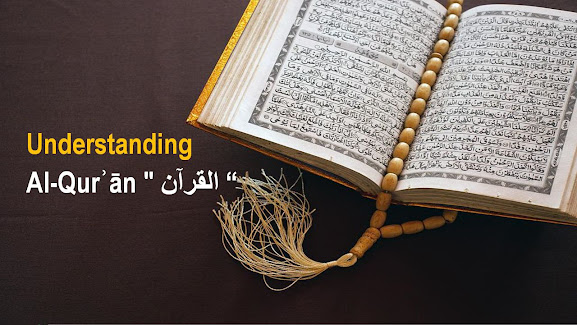
Al Qur'an is central to the lives of all Muslims around the world. Despite being in the Arabic language, it is recited and even remembered by heart by the non Arabic speaking Muslims around the world. While many Muslims have memorized the entire Qur'an, others have personal memorized selected verses and are oft recited to remain close to Al Qur'an even during normal chores of their daily lives.
Today, we share a few passages / verses from Al Qur'an that are especially notable because they combine core beliefs, practical guidance, and spiritual transformation. Of these herein under are some of the most widely cherished verses that many scholars encourage Muslims to know, reflect on, and live by. In time we will add more verses to this collection for the benefit of our Muslim brethren.
1. Surah Al-Fatihah — 1:1–7 "Guide us to the straight path."
Surah Al Fatiha, the first chapter / surah of the Qur'an is remembered by heart by almost every Muslim for it is part of every cycle / rakah of the prayer / salat.
- Why it matters:
- It summarizes worship, dependence on Allah, and the need for guidance.
- It teaches humility: even believers continuously ask for guidance.
- Act upon it:
- Make guidance your daily priority.
- Reflect on the words rather than merely reciting them.
- Introduction to Qur'an and Explanation of Surah Al Fatihah (The first Surah / Chapter) of Qur'an
- Surah Al-Fatiha - The Opener: The Exegesis of First Surah / Chapter of Qur'an
- A small verse that is Spinal Cord of Al Qur’an
- Incredible explanation of 5th verse of Surah 1. Al Fatiha (The Opener)
- Our Lord! Guide us on Aṣ-Ṣirāṭ al-Mustaqīm - The Straight Path
2. Ayat al-Kursi — Surah Al-Baqarah 2:255
Ayat al-Kursi - the Verse of Throne is almost remembered by heart by all Muslims for it is celebrated as the greatest verse in the Quran, affirming the absolute oneness, majesty, and boundless power of Allah.
- The Verse (Translation): Allah! There is no God but He, the Living, the Self-subsisting, the Eternal. No slumber can seize Him, nor sleep. All things in heaven and earth are His. Who could intercede in His presence without His permission? He knows what appears in front of and behind His creatures. Nor can they encompass any knowledge of Him except what he wills. His throne extends over the heavens and the earth, and He feels no fatigue in guarding and preserving them, for He is the Highest and Most Exalted.
- Why it matters
- It is one of the most famous verses in the Qur'an for it strengthens tawhid (belief in the oneness of Allah).
- The verse emphasizes that Allah is the Living and Sustainer, untouched by slumber or sleep, with absolute ownership of the heavens and earth. It highlights that no one can intercede without His permission, and He holds ultimate knowledge, while His power encompasses the cosmos.
- Spiritual Benefits
- Protection: It acts as a spiritual shield; reciting it at night provides protection, and it is known for safeguarding homes.
- Reward: Reciting it after obligatory prayers is considered a means to enter Paradise.
- How Prophet Muhammad ﷺ emphasised importance of Ayat al Kursi
- The Prophet ﷺ explicitly identified Ayat al-Kursi as the greatest verse in the Qur'an because of the profound truths it contains about Allah's majesty, knowledge, power, and sovereignty.
- The revered Prophet ﷺ advised all Muslims: "When you go to bed, recite Ayat al-Kursi. Allah will appoint a guardian over you, and no devil will approach you until morning."
- The Prophet ﷺ has also been reported as saying: "Whoever recites Ayat al-Kursi after every prescribed prayer, nothing stands between him and entering Paradise except death."
Please refer to one of our exclusive on Ayat al Kursi to read the Arabic text as well as its explanation given at links:
- Linguistic Miracle of Ayat ul Kursi - Scholars' Viewpoint
- Most powerful Ayat of the Quran: Āyat al-Kursī (The Throne Verse)
3. Surah Al-'Asr — 103:1–3
Surah Al-'Asr is powerful because it compresses the entire path to success and salvation into just three short verses. Allah swears by time itself—a resource every person is constantly spending—to emphasize that human beings are naturally heading toward loss unless they possess four qualities: genuine faith, righteous action, commitment to truth, and patience. The surah does not allow a person to rely on belief without action, action without truth, or truth without perseverance; all four are required. In a few words, it explains why people fail, what success looks like, and how to achieve it, making it one of the most comprehensive and life-changing chapters in the Qur'an.
- The Verses (Translation): "By time. Indeed, mankind is in loss, except those who believe and do righteous deeds and advise one another to truth and advise one another to patience."
- Why it matters: Surah Al-'Asr teaches that every human being is losing the irreplaceable asset of time and is therefore heading toward ultimate loss, except those who combine four qualities: true faith, righteous action, commitment to truth, and patience in adhering to and promoting that truth. In just three verses, it presents a complete framework for success in this life and the Hereafter: believe correctly, live according to that belief, help others remain on the right path, and persevere through difficulties. The surah's message is so comprehensive that Al-Shafi'i reportedly said that if people reflected deeply on this surah alone, it would be sufficient for their guidance.
- Muslims should reflect on this small surah and evaluate their lives according to these four criteria and use time intentionally.
Many scholars viewed it as a concise summary of the path to salvation. It identifies four essentials: Faith, Good deeds, Calling to truth and Patience
To understand the above quoted verse completely please refer to our following posts:
4. Surah Al-Baqarah 2:286 "Allah does not burden a soul beyond that it can bear..."
- Why it matters:
- Provides hope during hardship.
- Reminds believers that trials are within their capacity by Allah's wisdom.
- Act upon it:
- Face difficulties with perseverance rather than despair.
- Seek Allah's help instead of giving up.
To understand the above quoted verse completely please refer to our following posts:
- Verily, Allah does not lay a responsibility on anyone beyond his capacity
- Man laments: I'm overburdened - Allah replies: Allah will not burden a soul more than it can bear
- Understanding Surah 2. Al Baqarah (The Cow) - specially the supplication in its last two verses
- Man is Divinely reassured that he will not be burdened beyond his capacity (The same theme repeated in verse 62 of Surah 23. Al Muminoon
5. Surah Az-Zumar 39:53
The 53rd verse of Surah Az Zumar is also called The Verse of Mercy for it brings hope to those who have sinned or gone astray from the Godly path. This verse tells them not to despair for Allah will have mercy on them who return to him repenting their sins and seeking his mercy and forgiveness.
- The Verse
قُلۡ يٰعِبَادِىَ الَّذِيۡنَ اَسۡرَفُوۡا عَلٰٓى اَنۡفُسِهِمۡ لَا تَقۡنَطُوۡا مِنۡ رَّحۡمَةِ اللّٰهِ ؕ اِنَّ اللّٰهَ يَغۡفِرُ الذُّنُوۡبَ جَمِيۡعًا ؕ اِنَّهٗ هُوَ الۡغَفُوۡرُ الرَّحِيۡمُ(39:53) Tell them, (O Prophet): “My servants who have committed excesses against themselves, do not despair of Allah's Mercy. Surely Allah forgives all sins. He is Most Forgiving, Most Merciful.
- Renowned Muslim scholar Ibn-Kathir notes that this Ayah is a call to all sinners, be they disbelievers or others, to repent and turn to Allah. This Ayah tells us that Allah, may He be blessed and exalted, will forgive all the sins of those who repent to Him and turn back to Him, no matter what or how many his sins are, even if they are like the foam of the sea. This cannot be interpreted as meaning that sins will be forgiven without repentance, because Shirk can only be forgiven for the one who repents from it. Al-Bukhari recorded that Ibn `Abbas, may Allah be pleased with him, said that some of the people of Shirk killed many people and committed Zina (illegal sexual acts) to a great extent; they came to Muhammad and said, "What you are saying and calling us to is good; if only you could tell us that there is an expiation for what we have done.''
- Why it matters:
- One of the strongest Qur'anic statements of hope and repentance.
- Counters hopelessness and spiritual despair.
- Act upon it:
- Never give up on repentance.
- Extend mercy and hope to others.
To understand the above quoted verse completely please refer to our following posts:
6. Surah Al-Hujurat 49:13
In Islam, no man due to his colour or creed is to enjoy preference upon others in the sight of Allah. It is the character of the man which induces in the man humility, righteousness and concern for others that elevate a man from others. This verses defines the foundation of human equality and moral worth. In fact “This verse is Islam’s charter of universal brotherhood and equality — the foundation of a moral, just, and united humanity.”
- The Verse
يَا أَيُّهَا النَّاسُ إِنَّا خَلَقْنَاكُم مِّن ذَكَرٍ وَأُنثَىٰ وَجَعَلْنَاكُمْ شُعُوبًا وَقَبَائِلَ لِتَعَارَفُوا ۚ إِنَّ أَكْرَمَكُمْ عِندَ اللَّهِ أَتْقَاكُمْ ۚ إِنَّ اللَّهَ عَلِيمٌ خَبِيرٌ
“O mankind! We created you from a male and a female and made you into nations and tribes so that you may know one another. Indeed, the most honorable of you in the sight of Allah is the most righteous of you. Surely Allah is All-Knowing, All-Aware.”
- Why it matters:
- Rejects superiority based on race, tribe, ethnicity, or status.
- Establishes taqwa (God-consciousness) as the true measure of honor.
- Act upon it:
- Treat all people with dignity.
- Judge yourself by character rather than worldly status.
7. Surah An-Nahl 16:90
- The Verse "Indeed, Allah commands justice, excellence, and giving to relatives, and forbids immorality, wrongdoing, and oppression..."
- Why it matters:
- Considered one of the most comprehensive ethical verses in the Qur'an.
- Summarizes major moral obligations and prohibitions.
- Act upon it:
- Be just even when it is difficult.
- Go beyond justice to excellence (ihsan).
To understand the above quoted verse completely please refer to our post: Universal moral code as explained in Al Qur'an
8. Surah Al-Imran 3:102
- The Verse "Fear Allah as He should be feared and do not die except as Muslims."
- Why it matters:
- Calls for lifelong commitment rather than temporary religious enthusiasm.
- Encourages consistency and sincerity.
- Act upon it:
- Focus on ending life in a state of faith and obedience.
- Maintain regular worship and repentance.
To understand the above quoted verse completely please refer to our post:
9. Surah Al-Baqarah 2:177
Although, AL Qur'an is full of Divine commands and cautions for the guidance of mankind, the 177th verse of Surah 2. Al Baqarah (The Cow) is one of the most profound verses in the Qur’an for guidance of Muslims
- The Verse
- “It is not righteousness (al-birr) that you turn your faces towards the east or the west, but righteousness is (in) one who believes in Allah, the Last Day, the Angels, the Book, and the Prophets, and gives his wealth, in spite of love for it, to relatives, orphans, the needy, the traveler, those who ask, and for freeing slaves; and (who) establishes prayer and gives zakāh; and (those who) fulfill their promises when they make them; and (those who) are patient in poverty and hardship and during battle. Those are the ones who have been true, and it is they who are the righteous.”
- Why it matters:
- Defines true righteousness.
- Combines faith, worship, charity, honesty, and patience.
- Act upon it:
- Avoid reducing religion to rituals alone.
- Balance belief with character and service to others.
To understand the above quoted verse completely please refer to our post: One of the most profound verses in the Qur’an for guidance of Muslims
10. Surah Al-Hashr 59:18
It is a rule of the Qur'an that whenever the hypocritical Muslims are taken to task for their hypocrisy, they are given admonition also so that whoever of them has some life left in his conscience, may feel remorse for his conduct and attitude and may make an effort, out of the fear of Allah, to come out of the pit into which his worship of the self has thrown him. The 18th verse of Surah Al Hashr is about such people:
- The Verse
يٰۤاَيُّهَا الَّذِيۡنَ اٰمَنُوۡا اتَّقُوا اللّٰهَ وَلۡتَـنۡظُرۡ نَـفۡسٌ مَّا قَدَّمَتۡ لِغَدٍ ۚ وَاتَّقُوا اللّٰهَؕ اِنَّ اللّٰهَ خَبِيۡرٌۢ بِمَا تَعۡمَلُوۡنَ
O you who have believed, fear Allah. And let every soul look to what it has put forth for tomorrow - and fear Allah. Indeed, Allah is Acquainted with what you do.
- Why it matters:
- Encourages self-accountability.
- Reminds believers of the Hereafter.
- Act upon it:
- Regularly review your actions and intentions.
- Live with long-term spiritual goals in mind.
To understand the above quoted verse completely please refer to our post: Fear Allah and let every soul know what it has sent ahead for tomorrow
11. Surah Al-Baqarah 2:152
Remembrance is like a covenant. Remembrance of God and in return God’s remembrance of His creatures imply that Muslims should fulfill their duties and responsibilities and as its reward the Almighty will fulfill His promise of granting them success in this world and in the Hereafter.
- The Verse
فَاذۡكُرُوۡنِىۡٓ اَذۡكُرۡكُمۡ وَاشۡکُرُوۡا لِىۡ وَلَا تَكۡفُرُوۡنِ
So remember Me and I shall remember you; give thanks to Me and do not be ungrateful to Me for My favours. (Surah 2 Al Baqarah:152)
- Why it matters:
- Establishes a direct relationship between remembrance of Allah and divine favor.
- Encourages constant dhikr.
- Act upon it:
- Make daily remembrance part of your routine.
- Remember Allah in ease and hardship.
To understand the above quoted verse completely please refer to our post: (One of My Favourite Verses of Qur'an) So remember Me and I shall remember you
12. Surah Fussilat 41:34
The very theme of 34th verse of Surah 41 Ha Mim (also known as Surah As Sajdah, and also as Surah Fussilat (Explained in Detail) is hinged on a directive from God to Prophet Muhammad ﷺ to remain good even in the face of treachery and evil unleashed by the pagans of Makkah for ultimately good and the truth will prevail - and the world saw the truth and goodness finally prevailed.
- The Verse
وَلَا تَسۡتَوِى الۡحَسَنَةُ وَ لَا السَّيِّئَةُ ؕ اِدۡفَعۡ بِالَّتِىۡ هِىَ اَحۡسَنُ فَاِذَا الَّذِىۡ بَيۡنَكَ وَبَيۡنَهٗ عَدَاوَةٌ كَاَنَّهٗ وَلِىٌّ حَمِيۡمٌ
(O Prophet), good and evil are not equal. Repel (evil) with that which is good, and you will see that he, between whom and you there was enmity, shall become as if he were a bosom friend (of yours).
- Why it matters:
- Teaches one of the Qur'an's highest standards of character.
- Calls for responding to hostility with wisdom and goodness.
- Act upon it:
- Control anger.
- Seek reconciliation where possible.
To understand the above quoted verse completely please refer to our post: Good and evil are never equal - So Repel (evil) with that which is good
If you could memorize only five
Although, remembering and reflecting on all the verses mentioned above may be a bit difficult, a strong starting set would be:
Al-Fatihah (1:1–7) — foundation of worship.Ayat al-Kursi (2:255) — foundation of faith in Allah.Al-Baqarah 2:286 — resilience and trust.Az-Zumar 39:53 — hope and repentance.Al-'Asr (103:1–3) — a complete blueprint for success.
Together these cover:
- Belief in Allah
- Worship
- Guidance
- Hope
- Accountability
- Good deeds
- Patience
- Proper use of time
A useful way to approach these verses is not only to memorize the Arabic, but also to understand their meanings, revisit them regularly, and ask: "What specific action does this verse call me to take today?" That is where memorization begins to become transformation.
May Allāh (سبحانه و تعالى) help us understand Qur'ān and follow the Sunnah of Prophet Muhammad ﷺ, which is embodiment of commandments of Allah contained in the Qur'ān. May Allah help us to be like the ones He loves and let our lives be lived helping others and not making others' lives miserable or unlivable. May all our wrong doings, whether intentional or unintentional, be forgiven before the angel of death knocks on our door.
وَمَا عَلَيۡنَاۤ اِلَّا الۡبَلٰغُ الۡمُبِيۡنُ
(36:17) and our duty is no more than to clearly convey the Message.”
That is Our duty is only to convey to you the message that Allah has entrusted us with. Then it is for you to accept it or reject it. We have not been made responsible for making you accept it forcibly, and if you do not accept it, we shall not be seized in consequence of your disbelief, you will yourselves be answerable for your actions on Day of Resurrection.
May Allah forgive me if my posts ever imply a piety far greater than I possess. I am most in need of guidance.
Reading the Qur'ān should be a daily obligation of a Muslim - Reading it with translation will make it meaningful. But reading its Exegesis / Tafsir will make you understand it fully. It will also help the Muslims to have grasp over social issues and their answers discussed in the Qur'an and other matter related to inter faith so that they are able to discuss issues with non-Muslims with authority based on refences from Qur'an.
Note: When we mention God in our posts, we mean One True God, we call Allah in Islam, with no associates. Allah is the Sole Creator of all things, and that Allah is all-powerful and all-knowing. Allah has no offspring, no race, no gender, no body, and is unaffected by the characteristics of human life.
You may also refer to our exclusive reference pages:
- Selected verses from selected Surahs of Al-Qurʾān for compiled verses from other surahs.
- Selected Verses from Al Qur'an about a Specific Subject (Reference Page) to know more about what Qur'an says about specific subjects
- Selected Verses from the Qur'an.
You may also refer to our Reference Pages and Understanding Al Qur'an for knowing more about Islam and Qur'ān.
An effort has been made to gather explanation / exegesis of the surahs and selected verses of Al-Qurʾān from authentic sources and then present a least possible condensed explanation of the surah. In that the exegesis of the chapters of the Quran is mainly based on the "Tafhim al-Qur'an - The Meaning of the Qur'an" by one of the most enlightened scholars of the Muslim World Sayyid Abul Ala Maududi.
In addition, other sources which have been explored and views of other scholars have been incorporated while explaining meaning of a verse. Those desirous of detailed explanations and tafsir (exegesis), may refer to these sites. For expansion of meaning and themes / contextual background help from ChatGPT is also taken.
Disclaimer: The material for this post has been collected from the references given above. If anyone differs with the material contained in this post, one may consult the references and their authors. If someone has more material about the subject, he/she is most welcome to share in the comments box to make the post all encompassing.
Please share this page to your friends and family members through Facebook, WhatsApp or any means on social media so that they can also be benefited by it and better understand Islam and the Qur'ān - Insha Allah (Allah Willing) you shall be blessed with the best of both worlds.




0 comments:
Post a Comment