


Each verse of Al Qur'an carries a Divine message or commandment for its readers. These verses are generally in simple Arabic language so that every individual, whether rich or poor, literate or illiterate, should receive Divine message and act upon these. Sometimes to induce interest for deep reflections, parables, metaphors or stories are presented to create interest and at the same time making the substance understandable. However, sometimes, the a few verses are grouped together to complete a passage so that one can correlate the passage from previous and following verses that are connected together. We have already grouped verses carrying parable or metaphors in a reference page for easy reference - link given at the end of this post.
This publication is exclusive to individual verses that are grouped together to form a passage because the Qur’an develops ideas in connected layers rather than as isolated statements. One verse may establish a principle, the next explain it, another give an example or warning, and the following verses show its practical consequences. Read together, a passage reveals the full moral argument, emotional tone, historical context, and intended response.
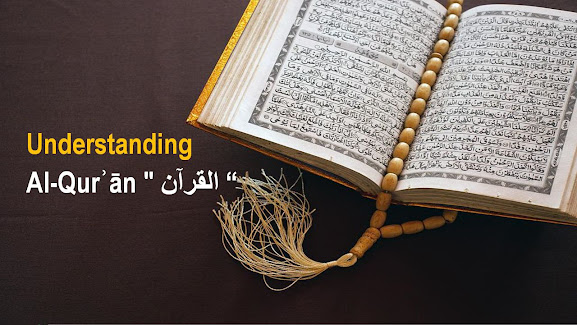
One of such passages comprises verse 23-39 in Surah Al-Isrāʾ 17:23–39 which looks like a complete moral charter: they move from Tawḥīd to family duties, social responsibility, economic ethics, protection of life, chastity, honesty, knowledge and humility. The caption photo is based on this passage.
In short, individual verses give guidance, but passages show how that guidance fits together into a coherent way of life.
We have already shared a number of passages from various Surahs / chapters of Qur'an, the link to which are shared herein under for those of our readers who want to reflect more on understanding AL Qur'an rather than mere recitation and at best reading the translation.
- Surah 10. Younis (Passage verses 104-107): DO NOT direct acts of worship to deities or objects other than your Creator
- Surah 30 Ar Rum (Verses 6-7): One of the Qur’an’s most striking passages where World History becomes a Lesson in Faith
- Surah 31 Luqman (Passage verses 12-21): A passage from Al Qur'an (Surah Luqmān) which is a mini curriculum for raising children
- Surah 32 (Passage verses 23-30): How Al Qur'an turns history into a warning for those who reject Divine guidance
- Surah 51 Adh-Dhāriyāt (Passage Verses 15-19): One of the most reflective passages in Al Qur’an that describes people who attain Paradise
In time we will add more passages for the benefit of our readers.
May Allāh (سبحانه و تعالى) help us understand Qur'ān and follow the Sunnah of Prophet Muhammad ﷺ, which is embodiment of commandments of Allah contained in the Qur'ān. May Allah help us to be like the ones He loves and let our lives be lived helping others and not making others' lives miserable or unlivable. May all our wrong doings, whether intentional or unintentional, be forgiven before the angel of death knocks on our door.
وَمَا عَلَيۡنَاۤ اِلَّا الۡبَلٰغُ الۡمُبِيۡنُ
(36:17) and our duty is no more than to clearly convey the Message.”
That is Our duty is only to convey to you the message that Allah has entrusted us with. Then it is for you to accept it or reject it. We have not been made responsible for making you accept it forcibly, and if you do not accept it, we shall not be seized in consequence of your disbelief, you will yourselves be answerable for your actions on Day of Resurrection.
May Allah forgive me if my posts ever imply a piety far greater than I possess. I am most in need of guidance.
Reading the Qur'ān should be a daily obligation of a Muslim - Reading it with translation will make it meaningful. But reading its Exegesis / Tafsir will make you understand it fully. It will also help the Muslims to have grasp over social issues and their answers discussed in the Qur'an and other matter related to inter faith so that they are able to discuss issues with non-Muslims with authority based on refences from Qur'an.
Note: When we mention God in our posts, we mean One True God, we call Allah in Islam, with no associates. Allah is the Sole Creator of all things, and that Allah is all-powerful and all-knowing. Allah has no offspring, no race, no gender, no body, and is unaffected by the characteristics of human life.
You may refer to our exclusive reference pages:
- Most profound Metaphors and Parables in Al Qur'an (Reference Page)
- Selected verses from selected Surahs of Al-Qurʾān for compiled verses from other surahs.
- Selected Verses from Al Qur'an about a Specific Subject (Reference Page) to know more about what Qur'an says about specific subjects
- Selected Verses from the Qur'an.
You may also refer to our Reference Pages and Understanding Al Qur'an for knowing more about Islam and Qur'ān.
An effort has been made to gather explanation / exegesis of the surahs and selected verses of Al-Qurʾān from authentic sources and then present a least possible condensed explanation of the surah. In that the exegesis of the chapters of the Quran is mainly based on the "Tafhim al-Qur'an - The Meaning of the Qur'an" by one of the most enlightened scholars of the Muslim World Sayyid Abul Ala Maududi.
In addition, other sources which have been explored and views of other scholars have been incorporated while explaining meaning of a verse. Those desirous of detailed explanations and tafsir (exegesis), may refer to these sites. For expansion of meaning and themes / contextual background help from ChatGPT is also taken.
Disclaimer: The material for this post has been collected from the references given above. If anyone differs with the material contained in this post, one may consult the references and their authors. If someone has more material about the subject, he/she is most welcome to share in the comments box to make the post all encompassing.
Please share this page to your friends and family members through Facebook, WhatsApp or any means on social media so that they can also be benefited by it and better understand Islam and the Qur'ān - Insha Allah (Allah Willing) you shall be blessed with the best of both worlds.




0 comments:
Post a Comment