


We have already published a detailed post on Why Metaphors and Parables are used in Al Qur'an. Now herein under we share some of the most profound metaphors and parables used in Al Qur'an, already published by us, for better understanding of Al Qur'an and reflecting on the Divine Wisdom behind these metaphors and parables:
- A powerful metaphor in Al Qur’an describes the false hopes and delusions of disbelievers
- One of the Qur’an’s most beautiful parables about truth and falsehood
- Why there are so many verses in Al Qur’an that refer to rain as parable for life and death
- A deeply reflective verse of Al Qur’an that teaches man the entire cycle of human life
- The parable of the beautiful yet fragile cobweb and those who make fragile foundation of their faith based on shirk
- A parable in the Qur’an which teaches absurdity of idolatry and worshiping beings other than Allah
- How wealth can corrupt quietly, without a person even realizing it - A subtle parable from Al Qur'an
- The parable of faithful battle charging horses to warn man of his unfaithfulness to his Lord
In time we add more metaphors and parables from Al Qur'an for the interest of our readers, which may assist them in better understanding of some of the important verses of Al Qur'an.
May Allāh (سبحانه و تعالى) help us understand Qur'ān and follow the Sunnah of Prophet Muhammad ﷺ, which is embodiment of commandments of Allah contained in the Qur'ān. May Allah help us to be like the ones He loves and let our lives be lived helping others and not making others' lives miserable or unlivable. May all our wrong doings, whether intentional or unintentional, be forgiven before the angel of death knocks on our door.
وَمَا عَلَيۡنَاۤ اِلَّا الۡبَلٰغُ الۡمُبِيۡنُ
(36:17) and our duty is no more than to clearly convey the Message.”
That is Our duty is only to convey to you the message that Allah has entrusted us with. Then it is for you to accept it or reject it. We have not been made responsible for making you accept it forcibly, and if you do not accept it, we shall not be seized in consequence of your disbelief, you will yourselves be answerable for your actions on Day of Resurrection.
May Allah forgive me if my posts ever imply a piety far greater than I possess. I am most in need of guidance.
Reading the Qur'ān should be a daily obligation of a Muslim - Reading it with translation will make it meaningful. But reading its Exegesis / Tafsir will make you understand it fully. It will also help the Muslims to have grasp over social issues and their answers discussed in the Qur'an and other matter related to inter faith so that they are able to discuss issues with non-Muslims with authority based on refences from Qur'an.
Note: When we mention God in our posts, we mean One True God, we call Allah in Islam, with no associates. Allah is the Sole Creator of all things, and that Allah is all-powerful and all-knowing. Allah has no offspring, no race, no gender, no body, and is unaffected by the characteristics of human life.
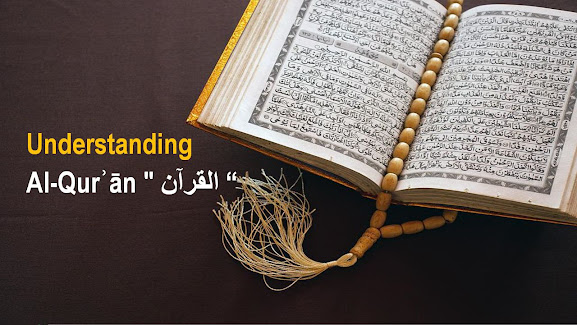
Please refer to our reference page: Understanding Al Qur'an to know about Al Qur'an. For more Q&A about Understanding Islam, please refer to our reference page: Understanding Islam - Frequently asked Q&A.
If you like Islam: My Ultimate Decision, and to keep yourself updated on all our latest posts to know more about Islam, follow us on Facebook. You may also refer to our Facebook Group Islam: The Ultimate Truth for more on Islam and Da'wah.
Please share this page to your friends and family members through Facebook, WhatsApp or any means on Social Media so that they can also be benefited by it and better understand Islam and the Holy Qur'an - Insha Allah (Allah Willing) you shall be blessed with the best of both worlds.




-30.jpg)


0 comments:
Post a Comment