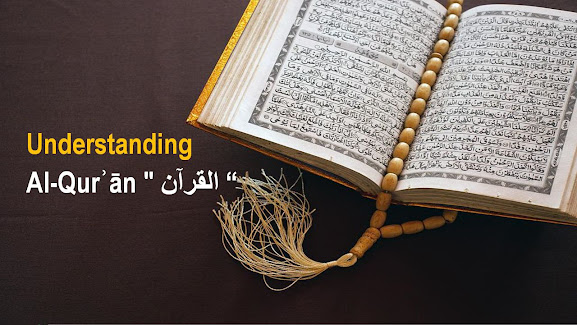
.
Showing posts with label Sunnah. Show all posts

Thursday, 25 June 2026

Believers! Let Qur’an and Sunnah be the center of gravity of Islam - Not Individuals

In theology, the Divine Scriptures are the center of gravity of any religion and the guidelines by the prophets upon whom these Scriptures were revealed. But as religions get older, individuals who have mastered the interpretation of these Scriptures become more pronounced than the Scripturas itself. In fact in most cases, individuals want to be the center of gravity and be taken supreme than what has actually been revealed.

Like all Divine religions, Islam too has suffered and many scholars, saints have tried to be known by their names as men of authority rather than keeping Qur'an and Sunnah as the supreme source of guidance for Islam was never meant to revolve around personalities. It revolves around divine revelation. Scholars, preachers, and righteous leaders are respected because they point people to Allah and His Messenger ﷺ—not because they become the center of devotion themselves.

Keeping Qur'an and Sunnah is a profound principle rooted in the Qur'an and the authentic Sunnah, which has been corrupted by individuals to be revered like the prophets. Let us see what Qur'an says about this and how should we keep Qur'an and Sunnah supreme and not the personalities.

The Qur'an repeatedly directs believers back to revelation:

"O you who believe! Obey Allah and obey the Messenger and those in authority among you. If you differ over anything, refer it to Allah and the Messenger, if you truly believe in Allah and the Last Day." — Al Qur'an Surah An-Nisāʾ (4:59)

Notice that while obedience to legitimate authority is commanded, disputes are settled by returning to Allah (the Qur'an) and the Messenger (his Sunnah), not by the opinion of any individual.

Many classical scholars, including Ibn Kathir, Al-Tabari, and Fakhr al-Din al-Razi, point out a subtle linguistic feature in this verse:
  • Allah says: "Obey Allah (أطيعوا الله) and obey the Messenger (وأطيعوا الرسول)."
  • It should be noted that the command "obey" (أطيعوا) is repeated for the Messenger.
  • But when mentioning those in authority (أولي الأمر), Allah says: "...and those in authority among you (وأولي الأمر منكم)."
  • He does not repeat the word "obey."
This is understood to indicate that:
  • Obedience to Allah is absolute.
  • Obedience to the Messenger ﷺ is absolute, because he speaks by revelation.
  • Obedience to rulers and scholars is conditional—only insofar as they obey Allah and His Messenger.
This understanding is reinforced by the Prophet ﷺ, who said: "There is no obedience to any created being in disobedience to the Creator." And he ﷺ also said: "Obedience is only in what is right (maʿrūf)."

The criterion for resolving disagreements
The verse then establishes the permanent method for the Muslim community: "If you differ over anything, refer it to Allah and the Messenger."

What is being said is:
  • Refer to Allah means refer to the Qur'an.
  • Refer to the Messenger during his lifetime meant asking him directly.
  • After his passing, it means referring to his authentic Sunnah.
Notice that Allah does not say:
  • refer it to your ruler,
  • refer it to your scholar,
  • refer it to your imam,
  • refer it to the majority.
That is the final authority remains the Qur'an and the authentic Sunnah.

Another foundational verse states:

"Indeed, this Qur'an guides to that which is most upright and gives good tidings to the believers who do righteous deeds that they will have a great reward." Al Qur'an Surah 17 Al-Isrāʾ (The Night Journey) verse 9

The Prophet ﷺ also warned against elevating people beyond their proper place. He said:

"Do not exaggerate in praising me as the Christians exaggerated in praising the son of Mary. I am only His servant, so say: the servant of Allah and His Messenger."

This hadith teaches that even the Prophet ﷺ himself did not want believers to cross the limits into personality-centered religion.

The early scholars understood this remarkably well.

Abu Bakr al-Ṣiddīq, the first caliph of Muslims after demise of Prophet Muhammad ﷺ famously declared after the Prophet's death:

"Whoever worshipped Muhammad, then Muhammad has died. But whoever worships Allah, then Allah is Ever-Living and never dies."

He then recited Qur'an: "Muhammad is no more than a messenger. Messengers have passed away before him..."

Likewise, Mālik ibn Anas said: 
"Everyone's statement may be accepted or rejected except the occupant of this grave," pointing to the grave of the Prophet ﷺ.

His statement beautifully reflects the principle established in Surah An-Nisāʾ 4:59: every human being, no matter how learned or righteous, is measured against the Qur'an and the authentic Sunnah, not the other way around.

And Muhammad ibn Idris al-Shāfiʿī said: "If an authentic hadith is found, then that is my madhhab."

These statements demonstrate that the greatest scholars never wanted their opinions to supersede revelation.

A timeless lesson for today
In every age, Muslims are blessed with scholars, teachers, speakers, and callers to Islam. They deserve respect when they faithfully convey the Qur'an and Sunnah. However, danger arises when:
  • loyalty to a personality becomes stronger than loyalty to evidence;
  • every statement of a leader is accepted uncritically;
  • criticism of a scholar is treated as criticism of Islam itself;
  • the Qur'an and authentic Sunnah are interpreted only through the lens of a particular individual.
Allah thus cautions believers:

"Follow what has been revealed to you from your Lord and do not follow other protectors besides Him." — Qur'an

The role of scholars is therefore like signposts—they point travelers toward the destination. A wise traveler appreciates the signpost but does not mistake it for the destination itself.

In the light of above mentions from AL Qur'an and Hadiths of Prophet Muhammad ﷺ, a true Muslim attitude towards Islam should be:
  • The Qur'an is the primary source of guidance.
  • The authentic Sunnah explains and embodies the Qur'an.
  • The Companions understood the revelation best.
  • The scholars are inheritors of the prophets because they explain the revelation, but they are not infallible.
  • Every opinion is accepted or rejected according to its agreement with the Qur'an and authentic Sunnah.
This balance protects the Ummah from both extremes: rejecting scholarly guidance on one hand, and turning scholars or charismatic figures into unquestionable authorities on the other.

As Allah says: "And hold firmly to the rope of Allah all together and do not become divided." — Qur'an

The "Rope of Allah" has been understood by many classical exegetes to refer primarily to His revelation—the Qur'an, together with the guidance of His Messenger ﷺ. Remaining attached to that rope ensures that the center of gravity of a Muslim's faith remains where Allah intended: His revealed guidance, not any human personality.

And now if we look around in many Islamic countries, the cult of personalities has become stronger than the Qur'an and Sunnah. Though, many of the scholarly personalities may have never intended to be supersede the role of prophets and Al Qur'an, yet their followers make them stand taller than the religion itself. And the irony is that even after the death of such personality oriented saints and scholars, their graves are visited and people request "them" to redress their grievances.

The problem of Islam today is not religious disagreement, the main dilemma is of authority. That is why personalities are pronounced more than the Qur'an and Sunnah. Some believe that an imam is above any error while others take aulia is the authority and "their" word be upheld instead of Qur'an. Even some scholars have taken upon them to declare who will go to Jannah (Paradise) or Jahannam (Hell). It is totally forgotten that the real message of Islam is that individuals, personalities and schools of thought be weighed on the scale of Qur'an and Sunnah - not individuals, who stand at a far lower shade than the prophets. That is the reason putting personalities in the centre has made sects - while keeping the Qur'an and Sunnah as center of gravity makes an Ummah. Religions is to be protected not by individuals , but principles as enunciated in Qur'an ad exhibited by Sunnah of Prophet Muhammad ﷺ.

This post is specially meant for the reverts who may be misled by such personalities and fall prey to their cult, rather than keeping Qur'an and Sunnah of Prophet ﷺ as the only beacon for understanding Islam. 

Disclaimer: This post is written in good faith and not to undermine the efforts of scholars and saints who taught Muslims what real Islam is and how to hold tight the rope of Allah to remain united. This is for education purpose only and readers my dig into relevant verses of Al Qur'an and Sunnah of Prophet Muhammad ﷺ to understand where the centre of gravity of Islam lies and why.

May Allāh (سبحانه و تعالى‎) help us understand Qur'ān and follow the Sunnah of Prophet Muhammad ﷺ, which is embodiment of commandments of Allah contained in the Qur'ān. May Allah help us to be like the ones He loves and let our lives be lived helping others and not making others' lives miserable or unlivable. May all our wrong doings, whether intentional or unintentional, be forgiven before the angel of death knocks on our door. 

وَمَا عَلَيۡنَاۤ اِلَّا الۡبَلٰغُ الۡمُبِيۡنُ‏ 
(36:17) and our duty is no more than to clearly convey the Message.”
That is Our duty is only to convey to you the message that Allah has entrusted us with. Then it is for you to accept it or reject it. We have not been made responsible for making you accept it forcibly, and if you do not accept it, we shall not be seized in consequence of your disbelief, you will yourselves be answerable for your actions on Day of Resurrection.

May Allah forgive me if my posts ever imply a piety far greater than I possess. I am most in need of guidance.

Reading the Qur'ān should be a daily obligation of a Muslim - Reading it with translation will make it meaningful. But reading its Exegesis / Tafsir will make you understand it fully. It will also help the Muslims to have grasp over social issues and their answers discussed in the Qur'an and other matter related to inter faith so that they are able to discuss issues with non-Muslims with authority based on refences from Qur'an.

Note: When we mention God in our posts, we mean One True God, we call Allah in Islam, with no associates. Allah is the Sole Creator of all things, and that Allah is all-powerful and all-knowing. Allah has no offspring, no race, no gender, no body, and is unaffected by the characteristics of human life.

For more Q&A about Understanding Islamplease refer to our reference page: Understanding Islam - Frequently asked Q&AYou may also refer to our refference page: Scholars' Viewpoint on important issue related to Islam to know more about Islam.

If you like Islam: My Ultimate Decision, and to keep yourself updated on all our latest posts to know more about Islam, follow us on FacebookYou may also refer to our Facebook  Group Islam: The Ultimate Truth for more on Islam and Da'wah.

Please share this page to your friends and family members through Facebook, WhatsApp or any means on Social Media so that they can also be benefited by it and better understand Islam and the Holy Qur'an - Insha Allah (Allah Willing) you shall be blessed with the best of both worlds.

Monday, 30 December 2024

Importance of respect and hospitality for guests in Islam (Sunnah Prophet Muhammad ﷺ)

It is said that guests are God send and they should be treated with honour and respect and presented with the best food one may have and accommodated well even if the host has to abandon his best bed for the guest. The Prophet ﷺ believed in treating all guests with dignity, regardless of their background, showing that hospitality transcends religious differences.

There are many sayings of the revered Prophet ﷺ and acts (Sunnah) that shows the the importance given to guests by the revered Prophet of Allah and the profound way in which Prophet Muhammad ﷺ modeled the Islamic principle of hospitality, which is grounded in generosity, humility, and kindness toward others. He also advised his companions to be courteous and hospitable to the guests. 

One such saying is mentioned in Sahi al-Bukhārī  (Book 78: Good Manners and Form (Al-Adab) / كتاب الأدب / Chapter 31:  Whosoever believes in Allah and the Last Day should not harm his neighbor / باب مَنْ كَانَ يُؤْمِنُ بِاللَّهِ وَالْيَوْمِ الآخِرِ فَلاَ يُؤْذِ جَارَهُ / as Hadith 6019, given herein under:

Narrated Abu Shuraih Al-Adawi: My ears heard and my eyes saw the Prophet (ﷺ) when he spoke: 

"Anybody who believes in Allah and the Last Day, should serve his neighbor generously, and anybody who believes in Allah and the Last Day should serve his guest generously by giving him his reward." It was asked. "What is his reward, O Allah's Messenger (ﷺ)?" He said, "(To be entertained generously) for a day and a night with high quality of food and the guest has the right to be entertained for three days (with ordinary food) and if he stays longer, what he will be provided with will be regarded as Sadaqa (a charitable gift). And anybody who believes in Allah and the Last Day should talk what is good or keep quiet (i.e. abstain from all kinds of dirty and evil talks).

Arabic Text:
حَدَّثَنَا عَبْدُ اللَّهِ بْنُ يُوسُفَ، حَدَّثَنَا اللَّيْثُ، قَالَ حَدَّثَنِي سَعِيدٌ الْمَقْبُرِيُّ، عَنْ أَبِي شُرَيْحٍ الْعَدَوِيِّ، قَالَ سَمِعَتْ أُذُنَاىَ، وَأَبْصَرَتْ، عَيْنَاىَ حِينَ تَكَلَّمَ النَّبِيُّ صلى الله عليه وسلم فَقَالَ ‏"‏ مَنْ كَانَ يُؤْمِنُ بِاللَّهِ وَالْيَوْمِ الآخِرِ فَلْيُكْرِمْ جَارَهُ، وَمَنْ كَانَ يُؤْمِنُ بِاللَّهِ وَالْيَوْمِ الآخِرِ فَلْيُكْرِمْ ضَيْفَهُ جَائِزَتَهُ ‏"‏‏.‏ قَالَ وَمَا جَائِزَتُهُ يَا رَسُولَ اللَّهِ قَالَ ‏"‏ يَوْمٌ وَلَيْلَةٌ وَالضِّيَافَةُ ثَلاَثَةُ أَيَّامٍ، فَمَا كَانَ وَرَاءَ ذَلِكَ فَهْوَ صَدَقَةٌ عَلَيْهِ، وَمَنْ كَانَ يُؤْمِنُ بِاللَّهِ وَالْيَوْمِ الآخِرِ فَلْيَقُلْ خَيْرًا أَوْ لِيَصْمُتْ ‏"‏‏.‏

The hadith emphasizes the importance of hospitality and respect for guests in Islam. To understand its significance, we can interpret it in the light of the Quran and the personal life of Prophet Muhammad ﷺ. Here's a breakdown of its meaning and context:

The hadith underscores a critical aspect of Islam: the treatment of guests. It connects the act of honoring a guest with one's faith in Allah and the Last Day. The phrase "Whoever believes in Allah and the Last Day" indicates that the treatment of guests is not just a social norm but an act that reflects a person's deep belief in the core tenets of Islam, namely, belief in Allah and the Day of Judgment.

The hadith advises Muslims that to demonstrate true belief, they must embody virtues such as generosity, hospitality, and kindness—traits that will be recognized and rewarded by Allah, especially on the Day of Judgment. In this context, honoring guests goes beyond basic hospitality; it becomes an expression of one’s piety and adherence to the moral principles that Islam promotes.

Reflection in the Quran:
The Quran also speaks about the importance of hospitality and kindness to others, including guests.
  • Surah Az-Zariyat (51:24-27): The Quran mentions the story of Prophet Ibrahim (Abraham), when angels came to him in the form of guests. Despite not recognizing them immediately, Prophet Ibrahim (PBUH) treated them with the utmost respect, offering them food. The Quran says:
"And when the great-grandfather of all nations (Ibrahim) received the guests, they said: 'We are sent to a people who are criminals.' He then offered them a roasted calf." (Quran 51:24-27). This story highlights the exemplary behavior of Prophet Ibrahim (PBUH) in his hospitality and serves as a lesson for Muslims in respecting and caring for their guests, even when they are unaware of the guest's true identity or significance.
  • Surah Al-Insan (76:8-9): In this surah, the Quran also speaks of the virtuous believers who, in their acts of kindness, provide food to the needy and to those in need of help, which includes guests:
"And they give food, despite their love for it, to the needy, the orphan, and the captive, [saying], 'We feed you only for the sake of Allah. We do not wish from you reward or gratitude.'" (Quran 76:8-9). This reflects the spirit of hospitality where the act of giving is done solely for the sake of Allah, without seeking any material gain in return.

Personal life of Prophet Muhammad ﷺ:
The Prophet Muhammad ﷺ embodied the teachings of this hadith in his life in numerous ways, setting a personal example of kindness, hospitality, and generosity toward guests.
  • Hospitality to Guests: The Prophet ﷺ frequently hosted guests in his home, sometimes even when there was very little food available. A well-known example is when a guest came to the Prophet ﷺ looking for food, and despite having nothing but a small amount of dates, the Prophet ﷺ offered what he had. When the guest was still hungry, the Prophet ﷺ sent someone to his companions to offer them food as well. His generosity was not confined to just his family or close companions, but extended to all, including travelers, strangers, and those in need of hospitality.
  • The Rewards of Hospitality: The Prophet ﷺ also said: "The reward for a guest is that when he is treated well, it is a reward for the host in this world and the next." This indicates that treating guests well is a noble act that earns both material and spiritual rewards.
Incidents of treating guests well
  • It is narrated that Zaid ibn Haritha (RA), one of the beloved companions of the Prophet ﷺ, once brought a guest to the Prophet’s home. The Prophet ﷺ received them warmly and invited them to share a meal. However, the Prophet ﷺ had very little food, consisting mainly of simple dates and water. Despite the simplicity of the meal, the Prophet ﷺ offered his guests the best of what he had, sharing the food with generosity. His act showed that hospitality is not about the quantity or quality of food but about the heart with which it is offered.
  • One day, a Jewish man came to the Prophet Muhammad ﷺ to ask for his help. The Prophet ﷺ invited him into his home and treated him with great respect. He sat and listened attentively to the man’s concerns and promised to assist him. Despite the fact that the guest was from another faith, the Prophet ﷺ treated him with the utmost kindness, emphasizing the universal principle of hospitality.
Lessons for Muslims Today:
  • Strengthening Faith: The hadith teaches that belief in Allah and the Day of Judgment is not just an internal belief but should manifest in our actions, particularly in how we treat others. Honoring a guest is a tangible way to show faith.
  • Cultivating Good Character: Islam places great emphasis on good character. Hospitality is a means of developing personal virtues such as kindness, generosity, and selflessness. The Prophet Muhammad ﷺ showed that true believers go out of their way to care for others, even when they have little.
  • Spiritual and Social Impact: Honoring guests strengthens social bonds, promotes peace, and fosters a sense of community. It is also an act of worship when done with sincerity, seeking Allah's pleasure and rewarding the believer in both this world and the Hereafter.
  • Responsibility of the guests: While a host is to respect and treat his guests with best of his means, it is also incumbent upon the guests not to prolong their stay to burden their hosts. For one may not know the sustenance ability of one's host. Remember that Mark Twain quote: House guests are like fish; they are only good for three days.
In summary, this hadith reflects the importance of hospitality and generosity as core values of Islam. By honoring guests, a Muslim demonstrates their commitment to the teachings of the Quran and the example of Prophet Muhammad ﷺ. It is a reflection of one’s belief in Allah, kindness toward others, and a reminder of the importance of treating every person with respect and care, especially those who enter our homes.
May Allāh (سبحانه و تعالى‎) help us understand Qur'ān and follow the Sunnah of Prophet Muhammad ﷺ, which is embodiment of commandments of Allah contained in the Qur'ān. May Allah help us to be like the ones He loves and let our lives be lived helping others and not making others' lives miserable or unlivable. May all our wrong doings, whether intentional or unintentional, be forgiven before the angel of death knocks on our door. 
وَمَا عَلَيۡنَاۤ اِلَّا الۡبَلٰغُ الۡمُبِيۡنُ‏ 
(36:17) and our duty is no more than to clearly convey the Message.”
That is Our duty is only to convey to you the message that Allah has entrusted us with. Then it is for you to accept it or reject it. We have not been made responsible for making you accept it forcibly, and if you do not accept it, we shall not be seized in consequence of your disbelief, you will yourselves be answerable for your actions on Day of Resurrection.

May Allah forgive me if my posts ever imply a piety far greater than I possess. I am most in need of guidance.

Reading the Qur'ān should be a daily obligation of a Muslim - Reading it with translation will make it meaningful. But reading its Exegesis / Tafsir will make you understand it fully. It will also help the Muslims to have grasp over social issues and their answers discussed in the Qur'an and other matter related to inter faith so that they are able to discuss issues with non-Muslims with authority based on refences from Qur'an.

Note: When we mention God in our posts, we mean One True God, we call Allah in Islam, with no associates. Allah is the Sole Creator of all things, and that Allah is all-powerful and all-knowing. Allah has no offspring, no race, no gender, no body, and is unaffected by the characteristics of human life.

Please refer to our exclusive reference page Sunnah of Prophet Muhammad ﷺ for more Sunnah of Prophet Muhammad ﷺ.

You may also refer to our reference page: Sunnah and Hadith of Prophet Muhammad ﷺ to know more about sunnah of Prophet of Allah. You may also refer to our Reference Pages for knowing more about Islam and Qur'ān.

Disclaimer: The material for this post has been collected from the references as given below. If anyone differs with the material contained in this post, one may consult the references and their authors.  If someone has more material about the subject, he/she is most welcome to share in the comments box to make the post all encompassing.

If you like Islam: My Ultimate Decision, and to keep yourself updated on all our latest posts to know more about Islam, follow us on Facebook. You may also refer to our Facebook  Group Islam: The Ultimate Truth for more on Islam and Da'wah.

Please share this page to your friends and family members through Facebook, WhatsApp or any means on social media so that they can also be benefited by it and better understand Islam and the Qur'ān - Insha Allah (Allah Willing) you shall be blessed with the best of both worlds.

Monday, 22 April 2024

What to supplicate when mounting an animal or any means of transportation (Hadith Prophet Muhammad ﷺ)

Embarking upon a journey is an act which entail many a unforeseen hurdles and events. Therefore, when embarking upon any means of transportation, one must ask help from Allah for a safe journey and return. Awhile ago, we shared a supplication mentioned in the the 13th verse Surah 43. Az-Zukhruf of Qur'an for embarking upon a journey:

لِتَسۡتَوٗا عَلٰى ظُهُوۡرِهٖ ثُمَّ تَذۡكُرُوۡا نِعۡمَةَ رَبِّكُمۡ اِذَا اسۡتَوَيۡتُمۡ عَلَيۡهِ وَتَقُوۡلُوۡا سُبۡحٰنَ الَّذِىۡ سَخَّرَ لَنَا هٰذَا وَمَا كُنَّا لَهٗ مُقۡرِنِيۡنَۙ‏  
(43:13) so that when you are mounted upon them you may remember the bounty of your Lord, and say: “Glory be to Him Who has subjected this to Us whereas we did not have the strength to subdue it."

You may read the full post by clicking the link below:


Today we share a supplication attributed to Prophet Muhammad ﷺ which he used to make when mounting an animal. This Hadith is mentioned Jami` at-Tirmidhi  (48 -  Chapters on Supplication / كتاب الدعوات عن رسول الله صلى الله عليه وسلم / Chapter # 46 What Has Been Related About What One Says When Riding An Animal / باب مَا يَقُولُ إِذَا رَكِبَ النَّاقَةَ  ) as Hadith number # 3446:

Ali bin Rabi’ah said:
“I witnessed Ali having an animal brought to him to ride. When he placed his foot in the stirrup he said: ‘In the Name of Allah,’ (Bismillāh) [three times]. So then, once he had ascended upon its back, he said: ‘All praise is due to Allah.’ (Al-ḥamdulillāh) then he said: Glory is to Him Who has subjected this to us, and we were not able to do it. And, surely, to our Lord are we returning (Subḥān alladhī sakh-khara lanā hādhā wa mā kunnā lahū muqrinīn. Wa innā ilā rabbinā lamunqalibūn). Then he said: ‘All praise is due to Allah (Al-ḥamdulillāh)’ – three times – and ‘Allah is the Greatest (Allāhu Akbar)’ – three times – ‘Glory is to You, indeed I have wronged myself, so forgive me, for indeed none forgives sins except You (Subḥānaka innī qad ẓalamtu nafsī faghfirlī fa-innahū lā yaghfirudh-dhunūba illā ant).’ Then he laughed. So I said: ‘O Commander of the Believer! What caused you to laugh?’ He said: ‘I saw the Messenger of Allah do as I did, then he (ﷺ) laughed, so I said, ‘What cause you to laugh?’ Prophet Muhammad ﷺ said: ‘Indeed, your Lord is very pleased with His worshipper when he says: “O my Lord, forgive me my sins, indeed, no one other than You forgives sins.

Arabic Text:
حَدَّثَنَا قُتَيْبَةُ، حَدَّثَنَا أَبُو الأَحْوَصِ، عَنْ أَبِي إِسْحَاقَ، عَنْ عَلِيِّ بْنِ رَبِيعَةَ، قَالَ شَهِدْتُ عَلِيًّا أُتِيَ بِدَابَّةٍ لِيَرْكَبَهَا فَلَمَّا وَضَعَ رِجْلَهُ فِي الرِّكَابِ قَالَ بِسْمِ اللَّهِ ثَلاَثًا فَلَمَّا اسْتَوَى عَلَى ظَهْرِهَا قَالَ الْحَمْدُ لِلَّهِ ثُمَّ قَالَ ‏:‏ ‏(‏ سبْحَانَ الَّذِي سَخَّرَ لَنَا هَذَا وَمَا كُنَّا لَهُ مُقْرِنِينَ * وَإِنَّا إِلَى رَبِّنَا لَمُنْقَلِبُونَ ‏)‏ ثُمَّ قَالَ الْحَمْدُ لِلَّهِ ثَلاَثًا وَاللَّهُ أَكْبَرُ ثَلاَثًا سُبْحَانَكَ إِنِّي قَدْ ظَلَمْتُ نَفْسِي فَاغْفِرْ لِي فَإِنَّهُ لاَ يَغْفِرُ الذُّنُوبَ إِلاَّ أَنْتَ ‏.‏ ثُمَّ ضَحِكَ ‏.‏ فَقُلْتُ مِنْ أَىِّ شَيْءٍ ضَحِكْتَ يَا أَمِيرَ الْمُؤْمِنِينَ قَالَ رَأَيْتُ رَسُولَ اللَّهِ صلى الله عليه وسلم صَنَعَ كَمَا صَنَعْتُ ثُمَّ ضَحِكَ فَقُلْتُ مِنْ أَىِّ شَيْءٍ ضَحِكْتَ يَا رَسُولَ اللَّهِ قَالَ ‏"‏ إِنَّ رَبَّكَ لَيَعْجَبُ مِنْ عَبْدِهِ إِذَا قَالَ رَبِّ اغْفِرْ لِي ذُنُوبِي إِنَّهُ لاَ يَغْفِرُ الذُّنُوبَ غَيْرُكَ ‏"‏ ‏.‏ قَالَ وَفِي الْبَابِ عَنِ ابْنِ عُمَرَ رضى الله عنهما ‏.‏ قَالَ هَذَا حَدِيثٌ حَسَنٌ صَحِيحٌ ‏.‏
GradeSahih (Darussalam)

This is a very useful supplication which we must make too when mounting on an animal or any means of transportation, for it is the help of Allah alone which can make our journey safe, free of any hazards, and bring us back in safety too.

This supplication reminds man that God has placed him in charge of the earth, putting at his disposal its considerable and varied power and potential. It also invites man to show gratitude for God's choice and blessings, reminds him of the One who grants blessings every time such a blessing is enjoyed. Such expressions of gratitude for God's blessings is sure to keep our hearts alive to their bond with God at every turn in life: "So that when you are seated on their backs you remember your Lord's blessings and say: 'Limitless in His glory is He who has made all this subservient to our use. We could not have done it by ourselves." [Qur'an Wiki - in explanation of Qur'anic verse mentioned in the beginning of the post. Since both the verse from Qur'an and the Hadith mentioned in this post carry the same theme, it has been mentioned here.]

While making the above mentioned supplication, one must also seek forgiveness for all sins and invoke the blessings and mercy of Allah. And the Prophet Muhammad ﷺ said: "Indeed, your Lord is very pleased with His worshipper when he says: “O my Lord, forgive me my sins, indeed, no one other than You forgives sins."
May Allāh (سبحانه و تعالى‎) help us understand Qur'ān and follow the Sunnah of Prophet Muhammad ﷺ, which is embodiment of commandments of Allah contained in the Qur'ān. May Allah help us to be like the ones He loves and let our lives be lived helping others and not making others' lives miserable or unlivable. May all our wrong doings, whether intentional or unintentional, be forgiven before the angel of death knocks on our door. 
وَمَا عَلَيۡنَاۤ اِلَّا الۡبَلٰغُ الۡمُبِيۡنُ‏ 
(36:17) and our duty is no more than to clearly convey the Message.”
That is Our duty is only to convey to you the message that Allah has entrusted us with. Then it is for you to accept it or reject it. We have not been made responsible for making you accept it forcibly, and if you do not accept it, we shall not be seized in consequence of your disbelief, you will yourselves be answerable for your actions on Day of Resurrection.

May Allah forgive me if my posts ever imply a piety far greater than I possess. I am most in need of guidance.

Reading the Qur'ān should be a daily obligation of a Muslim - Reading it with translation will make it meaningful. But reading its Exegesis / Tafsir will make you understand it fully. It will also help the Muslims to have grasp over social issues and their answers discussed in the Qur'an and other matter related to inter faith so that they are able to discuss issues with non-Muslims with authority based on refences from Qur'an.

Note: When we mention God in our posts, we mean One True God, we call Allah in Islam, with no associates. Allah is the Sole Creator of all things, and that Allah is all-powerful and all-knowing. Allah has no offspring, no race, no gender, no body, and is unaffected by the characteristics of human life.

Please refer to our reference page: Supplications attributed to Prophet Muhammad ﷺ for more supplications attributed to the revered prophet of Allah.

For more hadiths on varying subjects, refer to our reference page: Sunnah and Hadith of Prophet Muhammad ﷺ to know more about Hadiths and Sunnah of Prophet of Allah. You may also refer to our Reference Pages for knowing more about Islam and Qur'ān.


Disclaimer: The material for this post has been collected from the references as given above. If anyone differs with the material contained in this post, one may consult the references and their authors.  If someone has more material about the subject, he/she is most welcome to share in the comments box to make the post all encompassing.

If you like Islam: My Ultimate Decision, and to keep yourself updated on all our latest posts to know more about Islam, follow us on Facebook. You may also refer to our Facebook  Group Islam: The Ultimate Truth for more on Islam and Da'wah.

Please share this page to your friends and family members through Facebook, WhatsApp or any means on social media so that they can also be benefited by it and better understand Islam and the Qur'ān - Insha Allah (Allah Willing) you shall be blessed with the best of both worlds.

Saturday, 20 April 2024

The reward of fasting of a lifetime if one observes fasting for six days in the month of Shawwal (Sunnah Prophet Muhammad ﷺ_

The month of Ramadan, a thirty days of fasting is one of the blessed months of Islamic calendar. In this sacred month, all able bodied and healthy adult women and men are to fast during the day as an obligation. Barring from pregnant or nursing women or those in travel, all others have to observe fast during the entire month.

Those who observe the 30 days (or 29 days as per early moon sighting) are conditioned to live a life of strict discipline of abstaining from food/water and even their otherwise legitimate spouses during the period of fasting during the day. Thus when the month is over, one has been conditioned well and can still endure a few more fasts during the following Islamic 10th month of Shawwal (Arabic: شَوَّال, Šawwāl). Therefore, it has been Sunnah of Prophet Muhammad ﷺ to keep fasts for six days during the month of Shawwal. 

Thus the month of Shawwal is renowned for the six days of Shawwal, which are six supererogatory fasts that hold immense reward. It is often regarded as a precious time to reflect on and continue the goodness that we have become habituated to in the preceding month: the blessed month of Ramadan.

This sunnah is mentioned in This Hadith is mentioned in Sunan Ibn Majah /  Book 7 Fasting / باب  الصيام) / Chapter 33: Fasting six days of Shawwal / باب صِيَامِ سِتَّةِ أَيَّامٍ مِنْ شَوَّالٍ / as Hadith number # 1716 under:

It was narrated from Abu Ayyub that the Messenger of Allah (ﷺ) said: “Whoever fasts Ramadan then follows it with six days of Shawwal, it is as if he fasted for a lifetime.”

Arabic Text:‏
حَدَّثَنَا عَلِيُّ بْنُ مُحَمَّدٍ، حَدَّثَنَا عَبْدُ اللَّهِ بْنُ نُمَيْرٍ، عَنْ سَعْدِ بْنِ سَعِيدٍ، عَنْ عُمَرَ بْنِ ثَابِتٍ، عَنْ أَبِي أَيُّوبَ، قَالَ: قَالَ رَسُولُ اللَّهِ ـ صلى الله عليه وسلم ـ ‏ "‏ مَنْ صَامَ رَمَضَانَ ثُمَّ أَتْبَعَهُ بِسِتٍّ مِنْ شَوَّالٍ، كَانَ كَصَوْمِ الدَّهْرِ ‏"‏ ‏.‏

GradeSahih (Darussalam)

AS can bee seen, the importance of fasting in the month of Shawwal is equated to fasting for one's life time. This is because these fasts are not obligatory but optional. Yet if anyone decides to fast for six days on his own for pleasing Allah and following the sunnah of Prophet Muhammad ﷺ , he earns the immense reward as if he has fasted for his lifetime.

Care should be taken not to fast on the first day of Shawwal as it is prohibited being the day of Eid Al-Fitr takes place. After the first day of the Shawwal is over, one is free to choose any six days before the end of the month in order to complete the six days of Shawwal and reap the rewards of a year of fasting. One can fast consecutively for six days or as and when one feels like doing so.

The traditional scholarly sources among the Hanafiyya and Hanbaliyya do not place an emphasis on consecutive days, while the strongest opinion of the Malikiyya prefers any six days of the month, consecutively or otherwise.

The Shia scholars of the Ja'fari school do not place any emphasis on the six days being consecutive, while among the Sunnis, the majority of Shafi`i scholars consider it recommended to fast these days consecutively. They based this on a hadith related by Tabarani and others, wherein Muhammad is reported to have said, "Fasting six consecutive days after Eid al-Fitr is like fasting the entire year." 

May Allah accepts fasting of all those who fast for six days in the month of Shawwal and grant them the reward of fasting of a lifetime. Ameen.
May Allāh (سبحانه و تعالى‎) help us understand Qur'ān and follow the Sunnah of Prophet Muhammad ﷺ, which is embodiment of commandments of Allah contained in the Qur'ān. May Allah help us to be like the ones He loves and let our lives be lived helping others and not making others' lives miserable or unlivable. May all our wrong doings, whether intentional or unintentional, be forgiven before the angel of death knocks on our door. 
وَمَا عَلَيۡنَاۤ اِلَّا الۡبَلٰغُ الۡمُبِيۡنُ‏ 
(36:17) and our duty is no more than to clearly convey the Message.”
That is Our duty is only to convey to you the message that Allah has entrusted us with. Then it is for you to accept it or reject it. We have not been made responsible for making you accept it forcibly, and if you do not accept it, we shall not be seized in consequence of your disbelief, you will yourselves be answerable for your actions on Day of Resurrection.

May Allah forgive me if my posts ever imply a piety far greater than I possess. I am most in need of guidance.

Reading the Qur'ān should be a daily obligation of a Muslim - Reading it with translation will make it meaningful. But reading its Exegesis / Tafsir will make you understand it fully. It will also help the Muslims to have grasp over social issues and their answers discussed in the Qur'an and other matter related to inter faith so that they are able to discuss issues with non-Muslims with authority based on refences from Qur'an.

Please refer to our reference page: Collections of Hadiths of Prophet Muhammad ﷺ about Rewards  and Sunnah of Prophet Muhammad ﷺ for more Hadiths on the rewards and Sunnah. 

For more hadiths on varying subjects, refer to our reference page: Sunnah and Hadith of Prophet Muhammad ﷺ to know more about Hadiths and Sunnah of Prophet of Allah. You may also refer to our Reference Pages for knowing more about Islam and Qur'ān.

Photo | Source of Hadith Resource Reference: | Wikipedia | Islamic Belief |

Disclaimer: The material for this post has been collected from the references as given above. If anyone differs with the material contained in this post, one may consult the references and their authors.  If someone has more material about the subject, he/she is most welcome to share in the comments box to make the post all encompassing.

If you like Islam: My Ultimate Decision, and to keep yourself updated on all our latest posts to know more about Islam, follow us on Facebook. You may also refer to our Facebook  Group Islam: The Ultimate Truth for more on Islam and Da'wah.

Please share this page to your friends and family members through Facebook, WhatsApp or any means on social media so that they can also be benefited by it and better understand Islam and the Qur'ān - Insha Allah (Allah Willing) you shall be blessed with the best of both worlds.

Monday, 21 August 2023

Sunnah of Prophet Muhammad ﷺ of performing Ablution during journey

Performing ablution during journey slightly differs from the ordinary ablution which we perform in masjids and our homes. It can either be dry ablution, called Tayammum (Arabic: تيمم) which is act of dry ritual purification using purified (clean) sand or stone or mud, or ablution with water with a slight difference of wiping over the Khuff.

We share the sunnah of ablution while in journey attributed to Prophet Muhammad ﷺ and joining a prayer already in session and completing the prayer after the Imam leading the prayer performs the final salutation. 

This Hadith is mentioned in Sunan Abi Dawud (Book # 1 Purification (Kitab Al-Taharah): كتاب الطهارة / Chapter # 60 Wiping Over the Khuff / باب الْمَسْحِ عَلَى الْخُفَّيْنِ ) as Hadith number # 149, quoted herein under:

Al-Mughirah b. Shu’bah reported:
I was in the company of the Messenger of Allah (ﷺ) in the expedition of Tabuk. He abandoned the main road before the dawn prayer, and I also did the same along with him. The Prophet (ﷺ) made his camel kneel down and (went to) relieve himself. He then came back and I poured water upon his hands from the skin-vessel. He then washed his hands and face. He tried to get his forearms out (of the gown), but the sleeves of the gown were too narrow, so he entered back both his hands, and brought them out from beneath the gown. He washed his forearms up to the elbows and wiped his head and wiped over his socks. He then mounted (his camel) and we began to proceed until we found people offering the prayer. They brought forward ‘Abd al-Rahman b. ‘Awf who was leading them in prayer. The Prophet(ﷺ) stood in the row side by side with other Muslims. He performed the second rak’ah of the prayer behind ‘Abd al-Rahman b. ‘Awf. Then ‘Abd al-Rahman uttered salutation. The Prophet(ﷺ) stood to perform the remaining rak’ah of the prayer. The Muslims were alarmed. They began to utter tasbih (Subhan Allah) presuming that they had offered prayer before the Prophet (ﷺ) had done. When he uttered the salutation (i.e. finished his prayer), he said: You were right, or (he said) you did well.

Arabic Text:
حَدَّثَنَا أَحْمَدُ بْنُ صَالِحٍ، حَدَّثَنَا عَبْدُ اللَّهِ بْنُ وَهْبٍ، أَخْبَرَنِي يُونُسُ بْنُ يَزِيدَ، عَنِ ابْنِ شِهَابٍ، حَدَّثَنِي عَبَّادُ بْنُ زِيَادٍ، أَنَّ عُرْوَةَ بْنَ الْمُغِيرَةِ بْنِ شُعْبَةَ، أَخْبَرَهُ أَنَّهُ، سَمِعَ أَبَاهُ الْمُغِيرَةَ، يَقُولُ عَدَلَ رَسُولُ اللَّهِ صلى الله عليه وسلم وَأَنَا مَعَهُ فِي غَزْوَةِ تَبُوكَ قَبْلَ الْفَجْرِ فَعَدَلْتُ مَعَهُ فَأَنَاخَ النَّبِيُّ صلى الله عليه وسلم فَتَبَرَّزَ ثُمَّ جَاءَ فَسَكَبْتُ عَلَى يَدِهِ مِنَ الإِدَاوَةِ فَغَسَلَ كَفَّيْهِ ثُمَّ غَسَلَ وَجْهَهُ ثُمَّ حَسَرَ عَنْ ذِرَاعَيْهِ فَضَاقَ كُمَّا جُبَّتِهِ فَأَدْخَلَ يَدَيْهِ فَأَخْرَجَهُمَا مِنْ تَحْتِ الْجُبَّةِ فَغَسَلَهُمَا إِلَى الْمِرْفَقِ وَمَسَحَ بِرَأْسِهِ ثُمَّ تَوَضَّأَ عَلَى خُفَّيْهِ ثُمَّ رَكِبَ فَأَقْبَلْنَا نَسِيرُ حَتَّى نَجِدَ النَّاسَ فِي الصَّلاَةِ قَدْ قَدَّمُوا عَبْدَ الرَّحْمَنِ بْنَ عَوْفٍ فَصَلَّى بِهِمْ حِينَ كَانَ وَقْتُ الصَّلاَةِ وَوَجَدْنَا عَبْدَ الرَّحْمَنِ وَقَدْ رَكَعَ بِهِمْ رَكْعَةً مِنْ صَلاَةِ الْفَجْرِ فَقَامَ رَسُولُ اللَّهِ صلى الله عليه وسلم فَصَفَّ مَعَ الْمُسْلِمِينَ فَصَلَّى وَرَاءَ عَبْدِ الرَّحْمَنِ بْنِ عَوْفٍ الرَّكْعَةَ الثَّانِيَةَ ثُمَّ سَلَّمَ عَبْدُ الرَّحْمَنِ فَقَامَ رَسُولُ اللَّهِ صلى الله عليه وسلم فِي صَلاَتِهِ ‏.‏ فَفَزِعَ الْمُسْلِمُونَ فَأَكْثَرُوا التَّسْبِيحَ لأَنَّهُمْ سَبَقُوا النَّبِيَّ صلى الله عليه وسلم بِالصَّلاَةِ فَلَمَّا سَلَّمَ رَسُولُ اللَّهِ صلى الله عليه وسلم قَالَ لَهُمْ ‏"‏ قَدْ أَصَبْتُمْ ‏"‏ ‏.‏ أَوْ ‏"‏ قَدْ أَحْسَنْتُمْ ‏"‏ ‏.‏

Grade: Sahih (Al-Albani)

The Arabic word khuff refers to what is worn over one's feet, whether it be in leather, wool or other material, including socks. To wipe over the khuff instead of washing one's feet for ablution is valid according to the general view of Sunni scholars upon basis of Sunnah of Prophet Muhammad ﷺ as mentioned above. 

Thus, we learn two things from the aforesaid Sunnah: (1) Ablution over khuff and (2) The procedure for joining a prayer already in session. Let us follow the Sunnah and concessions given for journey. But we should not skip our prayer at any cost during the journey. and if water is not available, we must perform Tayammum, the procedure has already been given in one of our earlier posts: How to perform Dry Ablution (Tayammum)
May Allāh (سبحانه و تعالى‎) help us understand Qur'ān and follow the Sunnah of Prophet Muhammad ﷺ, which is embodiment of commandments of Allah contained in the Qur'ān. May Allah help us to be like the ones He loves and let our lives be lived helping others and not making others' lives miserable or unlivable. May all our wrong doings, whether intentional or unintentional, be forgiven before the angel of death knocks on our door. 
وَمَا عَلَيۡنَاۤ اِلَّا الۡبَلٰغُ الۡمُبِيۡنُ‏ 
(36:17) and our duty is no more than to clearly convey the Message.”
That is Our duty is only to convey to you the message that Allah has entrusted us with. Then it is for you to accept it or reject it. We have not been made responsible for making you accept it forcibly, and if you do not accept it, we shall not be seized in consequence of your disbelief, you will yourselves be answerable for your actions on Day of Resurrection.

May Allah forgive me if my posts ever imply a piety far greater than I possess. I am most in need of guidance.

Reading the Qur'ān should be a daily obligation of a Muslim - Reading it with translation will make it meaningful. But reading its Exegesis / Tafsir will make you understand it fully. It will also help the Muslims to have grasp over social issues and their answers discussed in the Qur'an and other matter related to inter faith so that they are able to discuss issues with non-Muslims with authority based on refences from Qur'an.

Note: When we mention God in our posts, we mean One True God, we call Allah in Islam, with no associates. Allah is the Sole Creator of all things, and that Allah is all-powerful and all-knowing. Allah has no offspring, no race, no gender, no body, and is unaffected by the characteristics of human life.

Please refer to our reference page: Sunnah and Hadith of Prophet Muhammad ﷺ to know more about sunnah of Prophet of Allah. You may also refer to our Reference Pages for knowing more about Islam and Qur'ān.

Disclaimer: The material for this post has been collected from the references as given below. If anyone differs with the material contained in this post, one may consult the references and their authors.  If someone has more material about the subject, he/she is most welcome to share in the comments box to make the post all encompassing.

If you like Islam: My Ultimate Decision, and to keep yourself updated on all our latest posts to know more about Islam, follow us on Facebook

Please share this page to your friends and family members through Facebook, WhatsApp or any means on social media so that they can also be benefited by it and better understand Islam and the Qur'ān - Insha Allah (Allah Willing) you shall be blessed with the best of both worlds.

Wednesday, 16 August 2023

What protocol is to be accorded to a funeral procession by a believer

Respect of human life is one of the supreme mentions in the Qur'an. In fact, respect should be meted out to people of authority, power and wealth. In Islam, a man is considered to be the viceregent of God. Therefore, his dignity must be kept supreme at all times, whether living or dead. 

While one is to be given respect owing to his character and piety, one should not forget to honour him when he dies and he must be accorded a dignified burial. It was in this context that God taught Caine to give a decent burial to his brother Abel when the former killed him on a dispute. The same has been mentioned in the 5th Chapter / Surah of Qur'an (verse 31) that when Cain was unsure of how to deal with the body of his brother Abel, God taught him what to do by sending a raven, who dug a hole in the ground to bury another dead raven and then covered it with the earth. —whom he had murdered—God sent a message in the form of a raven. Thus, this is how God taught Caine indirectly to bury his brother’s body.

So, when a person dies, it is incumbent upon every man to take the dead body in the form of a funeral procession to the place of burial and afford the dead a decent burial. Generally, close relatives and friends attend the last rituals of the dead. But in Islam, the dead is to be respected by every believer as has been the Sunnah of Prophet Muhammad ﷺ.

This Sunnah is mentioned in Ṣaḥīḥ al-Bukhārī  (Book 23 - Funerals (Al-Janaa'iz) /  كتاب الجنائز / Chapter 48: Whoever accompanies a funeral procession should not sit till the coffin is put down /  باب مَنْ تَبِعَ جَنَازَةً فَلاَ يَقْعُدُ حَتَّى تُوضَعَ عَنْ مَنَاكِبِ الرِّجَالِ، فَإِنْ قَعَدَ أُمِرَ بِالْقِيَامِ) as Hadith 1310, given herein under:

Narrated Abu y bSa`id Al-Khudri: The Prophet (ﷺ) said, "When you see a funeral procession, you should stand up, and whoever accompanies it should not sit till the coffin is put down."

Arabic text of Hadith:
حَدَّثَنَا مُسْلِمٌ ـ يَعْنِي ابْنَ إِبْرَاهِيمَ ـ حَدَّثَنَا هِشَامٌ، حَدَّثَنَا يَحْيَى، عَنْ أَبِي سَلَمَةَ، عَنْ أَبِي سَعِيدٍ الْخُدْرِيِّ ـ رضى الله عنه ـ عَنِ النَّبِيِّ صلى الله عليه وسلم قَالَ ‏ "‏ إِذَا رَأَيْتُمُ الْجَنَازَةَ فَقُومُوا، فَمَنْ تَبِعَهَا فَلاَ يَقْعُدْ حَتَّى تُوضَعَ ‏"‏‏.‏

There are Hadiths which show that the revered Prophet Muhammad ﷺ would stand up for funeral procession even of non-Muslims as mark of respect of the dead.

So, what do we do upon seeing a funeral process? If a beleiver is sitting, he should stand and say "Inna Lillahi wa inna ilayhi raji'un (إنا لله وإنا إليه راجعون) which means: “We surely belong to Allah and to Him we shall return”. " And silently pray for the forgiveness of the dead by saying supplicating any prayer in reference to the funeral. Like saying: O Allah, forgive our dead brother and elevate his station among those who are guided. Send him along the path of those who came before, and forgive us and him, O Lord of the worlds. Enlarge for him his grave and shed light upon him in it.

Thereafter, it is advisable to walk a few paces with the funeral procession as a respect to the dead. If one has time, one must follow the funeral procession to the graveyard and be there till the coffin is put down.

There are some general etiquettes when seeing a funeral procession. Some of these are listed below, remember these are not required by law, but it is the courteous thing to do.:
  • Stand up when seeing a funeral procession, and may take off the head gear as a mark of repsect.
  • Give way to the funeral process and its route must not be obstructed in any way. On intersections, the procession should be allowed to pass through and traffic should only resume until the last person or vehicle has passed.
  • Those driving and seeing a procession following them, should pull over and make way for the procession. 
  • Never ever beep to cut through the procession, for this would be mark of utter disrespect to the dead and inconvenience for the procession to proceed smoothly. 
We should not only practice these etiquettes ourselves but also teach our children to do so.
May Allāh (سبحانه و تعالى‎) help us understand Qur'ān and follow the Sunnah of Prophet Muhammad ﷺ, which is embodiment of commandments of Allah contained in the Qur'ān. May Allah help us to be like the ones He loves and let our lives be lived helping others and not making others' lives miserable or unlivable. May all our wrong doings, whether intentional or unintentional, be forgiven before the angel of death knocks on our door. 
وَمَا عَلَيۡنَاۤ اِلَّا الۡبَلٰغُ الۡمُبِيۡنُ‏ 
(36:17) and our duty is no more than to clearly convey the Message.”
That is Our duty is only to convey to you the message that Allah has entrusted us with. Then it is for you to accept it or reject it. We have not been made responsible for making you accept it forcibly, and if you do not accept it, we shall not be seized in consequence of your disbelief, you will yourselves be answerable for your actions on Day of Resurrection.

May Allah forgive me if my posts ever imply a piety far greater than I possess. I am most in need of guidance.

Reading the Qur'ān should be a daily obligation of a Muslim - Reading it with translation will make it meaningful. But reading its Exegesis / Tafsir will make you understand it fully. It will also help the Muslims to have grasp over social issues and their answers discussed in the Qur'an and other matter related to inter faith so that they are able to discuss issues with non-Muslims with authority based on refences from Qur'an.

Note: When we mention God in our posts, we mean One True God, we call Allah in Islam, with no associates. Allah is the Sole Creator of all things, and that Allah is all-powerful and all-knowing. Allah has no offspring, no race, no gender, no body, and is unaffected by the characteristics of human life.

Please refer to our exclusive reference page Etiquettes taught by Prophet Muhammad ﷺ for more etiquettes attributed to Prophet Muhammad.

You may also refer to our reference page: Sunnah and Hadith of Prophet Muhammad ﷺ to know more about sunnah of Prophet of Allah. You may also refer to our Reference Pages for knowing more about Islam and Qur'ān.

Disclaimer: The material for this post has been collected from the references as given below. If anyone differs with the material contained in this post, one may consult the references and their authors.  If someone has more material about the subject, he/she is most welcome to share in the comments box to make the post all encompassing.

If you like Islam: My Ultimate Decision, and to keep yourself updated on all our latest posts to know more about Islam, follow us on Facebook

Please share this page to your friends and family members through Facebook, WhatsApp or any means on social media so that they can also be benefited by it and better understand Islam and the Qur'ān - Insha Allah (Allah Willing) you shall be blessed with the best of both worlds.

Sunday, 25 June 2023

Fasting on Day of Arafah: Sunnah of Prophet Muhammad ﷺ

The Day of Arafah " يوم عرفة " is the day that falls on the 9th day of Dhu al-Hijjah of the lunar Islamic Calendar. It is the day when all pilgrims present in Makkah, Saudi Arabia, gather together around Mount Arafat in the Plain of Arafat. It was from this site that the Prophet Muhammad ﷺ gave his famous last sermon. It was the day when Prophet Muhammad ﷺ mentioned the verse of Qur'an in which Allah proclaimed that the religion of Islam had finally been completed.

The verse known as ikmal al-din (إِکْمَال الدِّيْن) is the 3rd verse of Surah 5 Al Maida of the Quran, the central religious text in Islam. 
حُرِّمَتۡ عَلَيۡكُمُ الۡمَيۡتَةُ وَالدَّمُ وَلَحۡمُ الۡخِنۡزِيۡرِ وَمَاۤ اُهِلَّ لِغَيۡرِ اللّٰهِ بِهٖ وَالۡمُنۡخَنِقَةُ وَالۡمَوۡقُوۡذَةُ وَالۡمُتَرَدِّيَةُ وَالنَّطِيۡحَةُ وَمَاۤ اَكَلَ السَّبُعُ اِلَّا مَا ذَكَّيۡتُمۡ وَمَا ذُ بِحَ عَلَى النُّصُبِ وَاَنۡ تَسۡتَقۡسِمُوۡا بِالۡاَزۡلَامِ​ ؕ ذٰ لِكُمۡ فِسۡقٌ​ ؕ اَلۡيَوۡمَ يَـئِسَ الَّذِيۡنَ كَفَرُوۡا مِنۡ دِيۡـنِكُمۡ فَلَا تَخۡشَوۡهُمۡ وَاخۡشَوۡنِ​ ؕ اَ لۡيَوۡمَ اَكۡمَلۡتُ لَـكُمۡ دِيۡنَكُمۡ وَاَ تۡمَمۡتُ عَلَيۡكُمۡ نِعۡمَتِىۡ وَرَضِيۡتُ لَـكُمُ الۡاِسۡلَامَ دِيۡنًا​ ؕ فَمَنِ اضۡطُرَّ فِىۡ مَخۡمَصَةٍ غَيۡرَ مُتَجَانِفٍ لِّاِثۡمٍ​ۙ فَاِنَّ اللّٰهَ غَفُوۡرٌ رَّحِيۡمٌ‏‏ 
(5:3) Forbidden to you are carrion, blood, the flesh of swine, the animal slaughtered in any name other than Allah's, the animal which has either been strangled, killed by blows, has died of a fall, by goring or that devoured by a beast of prey - unless it be that which you yourselves might have slaughtered while it was still alive - and that which was slaughtered at the altars. You are also forbidden to seek knowledge of your fate by divining arrows. All these are sinful acts. This day the unbelievers have fully despaired of your religion. Do not fear them; but fear Me. This day I have perfected for you your religion, and have bestowed upon you My bounty in full measure, and have been pleased to assign for you Islam as your religion. (Follow, then, the lawful and unlawful bounds enjoined upon you.)16 As for he who is driven by hunger, without being willfully inclined to sin, surely Allah is All-Forgiving, All-Compassionate.
Owing to the sanctity and importance of this day, Prophet Muhammad ﷺ kept fast on this day and recommended to his companions and believers to do the same. The importance of the day assumes added importance for as said by Prophet Muhammad ﷺ: “There is no day in which Allah sets free more souls from the fire of hell than on the day of Arafah.” (Muslim) In fact, fasting on the Day of Arafah for non-pilgrims is a highly recommended Sunnah which entails a great reward; Allah forgives the sins of two years.

This hadith is mentioned in Sahi Muslim Hadith number 1162b, part of which is shared herein under: 

عَنْ أَبِي قَتَادَةَ اَلْأَنْصَارِيِّ ‏- رضى الله عنه ‏- { أَنَّ رَسُولَ اَللَّهِ ‏- صلى الله عليه وسلم ‏-سُئِلَ عَنْ صَوْمِ يَوْمِ عَرَفَةَ.‏ قَالَ: " يُكَفِّرُ اَلسَّنَةَ اَلْمَاضِيَةَ وَالْبَاقِيَةَ ", وَسُئِلَ عَنْ صِيَامِ يَوْمِ عَاشُورَاءَ.‏ قَالَ: " يُكَفِّرُ اَلسَّنَةَ اَلْمَاضِيَةَ " وَسُئِلَ عَنْ صَوْمِ يَوْمِ اَلِاثْنَيْنِ, قَالَ: " ذَاكَ يَوْمٌ وُلِدْتُ فِيهِ, وَبُعِثْتُ فِيهِ, أَوْ أُنْزِلَ عَلَيَّ فِيهِ "} رَوَاهُ مُسْلِمٌ 1‏ 

Abu Qatadah Al-Ansari (RAA) narrated, ‘The Messenger of Allah (ﷺ) was asked about fasting on the day of Arafah (the 9th of the month of Dhul Hijjah). He replied, "Fasting on the day of Arafah is an expiation for the preceding year and the following year.” He was also asked about fasting on the Day of Ashura (the 10th of the month of Muharram). He replied, “Fasting on the Day of Ashura is an expiation for the preceding year.” The Messenger of Allah (ﷺ) was also asked about fasting on Monday, and he replied, "This is the day on which I was born and the day on which I was sent (with the Message of Islam) and the day on which I received revelation." Related by Muslim.

Those not performing Hajj may follow the prophetic sunnah and fast on 9th of Dhu al-Hijjah and have their sins washed away for the preceding and the following year.
May Allāh (سبحانه و تعالى‎) help us understand Qur'ān and follow the Sunnah of Prophet Muhammad ﷺ, which is embodiment of commandments of Allah contained in the Qur'ān. May Allah help us to be like the ones He loves and let our lives be lived helping others and not making others' lives miserable or unlivable. May all our wrong doings, whether intentional or unintentional, be forgiven before the angel of death knocks on our door. 
وَمَا عَلَيۡنَاۤ اِلَّا الۡبَلٰغُ الۡمُبِيۡنُ‏ 
(36:17) and our duty is no more than to clearly convey the Message.”
That is Our duty is only to convey to you the message that Allah has entrusted us with. Then it is for you to accept it or reject it. We have not been made responsible for making you accept it forcibly, and if you do not accept it, we shall not be seized in consequence of your disbelief, you will yourselves be answerable for your actions on Day of Resurrection.

May Allah forgive me if my posts ever imply a piety far greater than I possess. I am most in need of guidance.

Reading the Qur'ān should be a daily obligation of a Muslim - Reading it with translation will make it meaningful. But reading its Exegesis / Tafsir will make you understand it fully. It will also help the Muslims to have grasp over social issues and their answers discussed in the Qur'an and other matter related to inter faith so that they are able to discuss issues with non-Muslims with authority based on refences from Qur'an.

Note: When we mention God in our posts, we mean One True God, we call Allah in Islam, with no associates. Allah is the Sole Creator of all things, and that Allah is all-powerful and all-knowing. Allah has no offspring, no race, no gender, no body, and is unaffected by the characteristics of human life.

Please refer to our reference page: Sunnah and Hadith of Prophet Muhammad ﷺ to know more about sunnah of Prophet of Allah. You may also refer to our Reference Pages for knowing more about Islam and Qur'ān. Also refer to our reference page: Dhu al-Hijja (ذُو ٱلْحِجَّة): The month of Pilgrimage - The Hajj for more information on Hajj.

Disclaimer: The material for this post has been collected from the references as given below. If anyone differs with the material contained in this post, one may consult the references and their authors.  If someone has more material about the subject, he/she is most welcome to share in the comments box to make the post all encompassing.
Photo | Sources of Hadith: | 1 | 2 | 3 | Wikipedia: Day of Arafah

If you like Islam: My Ultimate Decision, and to keep yourself updated on all our latest posts to know more about Islam, follow us on Facebook

Please share this page to your friends and family members through Facebook, WhatsApp or any means on social media so that they can also be benefited by it and better understand Islam and the Qur'ān - Insha Allah (Allah Willing) you shall be blessed with the best of both worlds.

Twitter Delicious Facebook Digg Stumbleupon Favorites More