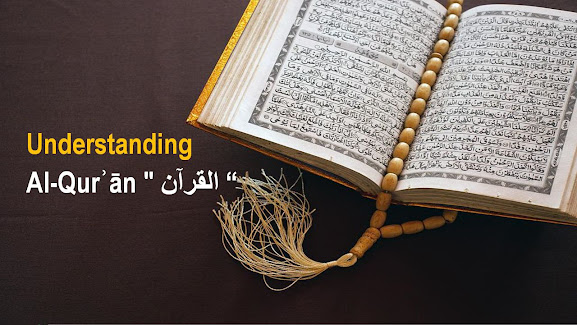
Surah Al-Hashr is the 59th chapter (sūrah) of the Qur'an, part of Juzʼ 28, and has 24 Ayahs (verses). The chapter is named al-hashr because the word hashr appears in verse 2. It is a Madinan surah that combines history, faith, politics, and spirituality. It takes its name from “al-Ḥashr” (gathering/exile), referring to a key historical event, and then draws timeless lessons about trust in Allah, unity, sincerity, and inner purification.
We have already shared the Tafseer / Exegesis of the Surah which can be read from links given below:
Herein under we will only present an overview of the Sūrah, for the scope of this post is to only to introduce the Sūrah and provide links to some of the selected verses from this Sūrah for selective reading / references. The following bird eye view includes the context, major themes and subjects and lessons that we can learn from this Sūrah, followed by references to some of the selected verses already published.
Historical Context (Why it was revealed)
The surah was revealed after the exile of the Jewish tribe Banu Nadir from Medina. It so happened that Prophet Muhammad ﷺ had a treaty with Banu Nadir, but they broke the treaty and plotted to assassinate him. As a result, they were besieged and then expelled from Medina. This event is described as a “gathering” (ḥashr) because they were forced to leave collectively.
Main Themes of the Surah
- Allah’s Power and Control (Verses 1–5)
- The surah begins by showing that what happened was not due to military strength alone, but by Allah’s They thought their fortresses would protect them—but Allah came upon them from where they did not expect."
- Lessons: (1) Human planning is limited, (2) Allah’s decree always prevails
- Hypocrisy and False Alliances (Verses 11–17)
- The surah exposes the behavior of the hypocrites in Medina who promised to support Banu Nadir, but abandoned them when the situation became serious.
- They are compared to Shayṭān who tempts a person and then abandons him.
- Lesson: (1) False friends disappear in times of crisis, (2) Reliance should be on Allah, not opportunistic alliances
- Distribution of Wealth and Social Justice (Verses 6–10)
- The surah discusses how war gains (fay’) were distributed among the poor emigrants (Muhājirūn) and the helpers in Medina (Anṣār).
- It praises the Anṣār for their remarkable selflessness: “They prefer others over themselves even if they are in need.”
- Lesson: (1) True faith produces generosity and sacrifice, (2) A healthy society is built on justice and care for others
- Warning Against Forgetting Allah (Verse 19)
- One of the most powerful verses: “And do not be like those who forgot Allah, so He made them forget themselves…”
- Lesson: Forgetting Allah leads to: Loss of purpose, Moral confusion, and spiritual emptiness
- This is a deep psychological insight.
- The Majesty of the Qur’an (Verse 21)
- “If We had sent down this Qur’an upon a mountain, you would have seen it humbled and splitting apart from the fear of Allah.”
- Lesson: If even a mountain would crumble, how can a human heart remain unmoved? It calls us to reflect deeply on the Qur’an.
- The Beautiful Attributes of Allah (Verses 22–24)
- The surah ends with 15 powerful attributes of Allah for knowing Allah is the foundation of faith and transformation. These verses are often recited for spiritual reflection
Key Lessons for Us Today
- Don’t Trust in Material Strength Alone Like Banu Nadir, people may rely on: wealth, power, and systems. But real security comes from Allah.
- Beware of Hypocrisy and Empty Promises The surah teaches us to be sincere, avoid double standards and not rely on unreliable alliances
- Build a Selfless Community The example of the Anṣār shows true believers care for others even in hardship and that generosity strengthens unity.
- Never Lose Connection with Allah The warning in verse 19 is extremely relevant today: A person may have everything materially, but feel lost internally. for his disconnection with Allah.
- Reflect Deeply on the Qur’an The Qur’an is not meant to be read casually—it is meant to: transform hearts, reshape thinking and guide life decisions.
- Know Allah Through His Names The ending teaches that true faith is built on معرفة (knowing Allah).
A Powerful Reflection
Surah Al-Hashr shows three types of people: (1) Those who trust in worldly power → they fail, (2) Hypocrites who deceive → they collapse morally, and True believers → they succeed through sincerity and sacrifice
In essence:Surah Al-Hashr is a complete guide for building a strong inner self and a strong community—based on faith, sincerity, trust in Allah, and care for others.
Now let us share herein some of the selected ayat / verses from this surah already shared:
- Verse 18: Fear Allah and let every soul know what it has sent ahead for tomorrow
- Verse 19: Believers !! be not like those who forget Allah
- Verse 21: A Powerful Metaphor in Al Qur'an about the power and weight of Divine Revelation
- Verse 22: Allah, there is no god but He - The Knower of the Unseen
- Verses 22-24: How Last Three Ayat / verses of Surah Hashr can shape our lives by knowing Who Allah is
In time we will add more selected ayat / verses from this surah.
May Allāh (سبحانه و تعالى) help us understand Qur'ān and follow the Sunnah of Prophet Muhammad ﷺ, which is embodiment of commandments of Allah contained in the Qur'ān. May Allah help us to be like the ones He loves and let our lives be lived helping others and not making others' lives miserable or unlivable. May all our wrong doings, whether intentional or unintentional, be forgiven before the angel of death knocks on our door.
وَمَا عَلَيۡنَاۤ اِلَّا الۡبَلٰغُ الۡمُبِيۡنُ
(36:17) and our duty is no more than to clearly convey the Message.”
That is Our duty is only to convey to you the message that Allah has entrusted us with. Then it is for you to accept it or reject it. We have not been made responsible for making you accept it forcibly, and if you do not accept it, we shall not be seized in consequence of your disbelief, you will yourselves be answerable for your actions on Day of Resurrection.
May Allah forgive me if my posts ever imply a piety far greater than I possess. I am most in need of guidance.
Reading the Qur'ān should be a daily obligation of a Muslim - Reading it with translation will make it meaningful. But reading its Exegesis / Tafsir will make you understand it fully. It will also help the Muslims to have grasp over social issues and their answers discussed in the Qur'an and other matter related to inter faith so that they are able to discuss issues with non-Muslims with authority based on refences from Qur'an.
Note: When we mention God in our posts, we mean One True God, we call Allah in Islam, with no associates. Allah is the Sole Creator of all things, and that Allah is all-powerful and all-knowing. Allah has no offspring, no race, no gender, no body, and is unaffected by the characteristics of human life.
You may also refer to our exclusive reference page: Selected verses from selected Surahs of Al-Qurʾān for compiled verses from other surahs.
For verses on Selected Subjects, please refer to our reference page: Selected Verses from Al Qur'an about a Specific Subject (Reference Page) to know more about what Qur'an says about specific subjects and our reference page: Selected Verses from the Qur'an.
An effort has been made to gather explanation / exegesis of the surahs and selected verses of Al-Qurʾān from authentic sources and then present a least possible condensed explanation of the surah. In that the exegesis of the chapters of the Quran is mainly based on the "Tafhim al-Qur'an - The Meaning of the Qur'an" by one of the most enlightened scholars of the Muslim World Sayyid Abul Ala Maududi.
In addition, other sources which have been explored and views of other scholars have been incorporated while explaining meaning of a verse. Those desirous of detailed explanations and tafsir (exegesis), may refer to these sites. For expansion of meaning and themes / contextual background help from ChatGPT is also taken.
Disclaimer: The material for this post has been collected from the references given above. If anyone differs with the material contained in this post, one may consult the references and their authors. If someone has more material about the subject, he/she is most welcome to share in the comments box to make the post all encompassing.
Please share this page to your friends and family members through Facebook, WhatsApp or any means on social media so that they can also be benefited by it and better understand Islam and the Qur'ān - Insha Allah (Allah Willing) you shall be blessed with the best of both worlds.