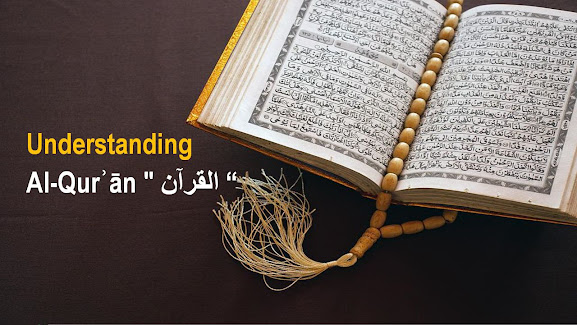
.

Tuesday, 6 January 2026

Al Qur'an: Selected verses from Sürah 39. Az Zumar (The Throngs)

Every surah of Al Qur'an is unique in its substance addressing the core issues related to Islam. We have already shared the exegesis of all surahs of Al Qur'an and selected verses from some of the surahs. This post today is about selected verses from the Surah Az Zumar, the 39th surah / chapter of Al Qur'an.

Sürah Az-Zumar (Arabic: الزمر, meaning: "The Throngs") contains 75 verses (ayat), part of the Juzʼ 23 to 24. This surah derives its name from the Arabic word zumar (groups) that occurs in verses 71 and 73.

 .....وَسِيۡقَ الَّذِيۡنَ كَفَرُوۡۤا اِلٰى جَهَنَّمَ زُمَرًا​ ؕ 
(After the judgement has been passed) the unbelievers shall be driven in companies to Hell.....

We have already shared the Tafseer / Exegesis of Sürah 39.  Al Zumar (The Throngs) which can be read from links  | Exegesis / Tafseer |

Herein under we will only present a condensed overview of the entire Sūrah, for the scope of this post is to only to introduce the Sūrah and provide links to some of the selected verses from this Sūrah for selective reading / references. The following bird eye view includes the context, major themes and subjects and lessons that we can learn from this Sūrah, followed by references to  some of the selected verses already published.

Context of Revelation (Asbāb an-Nuzūl – General)
The surah is believed to have been revealed in the mid-Meccan period, possibly before the migration of a group of Muslims to Habash to avert the chances of persecution from the non believers of Makkah. It is a call to pure monotheism, sincere devotion, and moral clarity. It confronts shirk, comforts the believer, opens the door of repentance, exposes the illusion of worldly life, and ends with a decisive image of humanity divided into groups based on their response to Allah. It remains deeply relevant today as a guide for faith, hope, and accountability in a confused and material-driven world.

The Surah was revealed at a time when: (1) The Makkan opposition to the Prophet ﷺ had intensified, (2) Muslims were few, weak, and under pressure, 

This was the time when the Polytheists justified shirk through: (1) Intercession myths, (2) Ancestral tradition, and (3) Claims of nearness to God through idols

Therefore, under such hostile environment this surah was revealed to: (1) Purify Tawḥīd (absolute monotheism), (2) Expose the false logic of shirk, (3) Comfort the Prophet ﷺ and believers, (4) Offer hope to sinners while warning arrogant rejecters. Thus this surah of clarity, sincerity, and decisive outcomes.

Core Theme of Surah Az-Zumar
1. Central Theme: 
  • Pure devotion (ikhlāṣ) to Allah alone, and the ultimate division of humanity based on that devotion. 
  • Everything in the surah revolves around:
    • Who Allah is
    • How He must be worshipped
    • What happens to people who accept or reject that truth
2.    Major Themes Explained
  • Pure Tawḥīd & Ikhlāṣ: (1) Allah alone deserves worship — without intermediaries. (2) “Unquestionably, for Allah is the pure religion.” (39:3) - Shirk is shown as: Illogical, Unjust and Spiritually corrupt.
  • False Intercession Exposed - Pagans claimed idols would bring them closer to Allah. as a rebuttal Allah responds: “They worship besides Allah that which neither harms nor benefits them…” (39:3). This emphasises the plain truth that Nearness to Allah comes through obedience, not symbols.
  • The Qur’an as a Living Guide: The Qur’an is described as: (1) Consistent, (2) Repetitive in wisdom and (3) Spiritually transformative - “Allah has sent down the best of speech…” (39:23)
  • Hope After Sin (One of the Most Merciful Passages) - No one is beyond forgiveness: O My servants who have transgressed against themselves, do not despair of the mercy of Allah.” (39:53) - This verse alone has brought countless people back to Islam.
  • Life’s Impermanence: The world is temporary and deceptive. The 21st verse is sent down specially for the men who reflect: “Do you not see that Allah sends down rain…” (39:21). This verse explains Human life is compared to vegetation that flourishes and fades.
  • Ultimate Judgment: Groups Divided: The surah ends with a vivid scene: Disbelievers driven to Hell in groups and that Believers welcomed to Paradise in groups “And those who feared their Lord will be led to Paradise in groups…” (39:73) - This gives the surah its name.
Relevance & Application Today
  • In an age of confusion Surah Az-Zumar restores clarity of belief. It emphasises that Worship is not: Cultural, Symbolic or Inherited - It is conscious devotion to Allah alone.
  • In an age of despair:, the surah revives hope. That is no matter how broken a person feels, repentance is open.
  • In a materialistic world the surah reminds us that Life is short, and every success fades with passage of time and that accountability is real and no one will escape it.
  • In moral relativism the surah draws clear lines between: (1) Truth and falsehood, (2) Sincerity and hypocrisy, and (3) Salvation and loss
Some of the Most Important Verses
  • 39:2 Sincerity in worship
  • 39:3 Refutation of shirk
  • 39:9 Are those who know equal to those who don’t?
  • 39:21 Parable of worldly life
  • 39:23 Description of the Qur’an
  • 39:36 Allah is sufficient
  • 39:42 Sleep and death
  • 39:53 Door of repentance
  • 39:71–73 Groups to Hell and Paradise
Now let us share herein some of the selected ayat / verses from this surah already shared:
In time we will share more selected verses from Sürah 39. Az Zumar, In sha Allah
May Allāh (سبحانه و تعالى‎) help us understand Qur'ān and follow the Sunnah of Prophet Muhammad ﷺ, which is embodiment of commandments of Allah contained in the Qur'ān. May Allah help us to be like the ones He loves and let our lives be lived helping others and not making others' lives miserable or unlivable. May all our wrong doings, whether intentional or unintentional, be forgiven before the angel of death knocks on our door. 
وَمَا عَلَيۡنَاۤ اِلَّا الۡبَلٰغُ الۡمُبِيۡنُ‏ 
(36:17) and our duty is no more than to clearly convey the Message.”
That is Our duty is only to convey to you the message that Allah has entrusted us with. Then it is for you to accept it or reject it. We have not been made responsible for making you accept it forcibly, and if you do not accept it, we shall not be seized in consequence of your disbelief, you will yourselves be answerable for your actions on Day of Resurrection.

May Allah forgive me if my posts ever imply a piety far greater than I possess. I am most in need of guidance.

Reading the Qur'ān should be a daily obligation of a Muslim - Reading it with translation will make it meaningful. But reading its Exegesis / Tafsir will make you understand it fully. It will also help the Muslims to have grasp over social issues and their answers discussed in the Qur'an and other matter related to inter faith so that they are able to discuss issues with non-Muslims with authority based on refences from Qur'an.

Note: When we mention God in our posts, we mean One True God, we call Allah in Islam, with no associates. Allah is the Sole Creator of all things, and that Allah is all-powerful and all-knowing. Allah has no offspring, no race, no gender, no body, and is unaffected by the characteristics of human life.

You may also refer to our exclusive reference page: Selected verses from selected Surahs of Al-Qurʾān for compiled verses from other surahs.

For more Selected Subjects, please refer to our reference page: Selected Verses from Al Qur'an about a Specific Subject (Reference Page) to know more about what Qur'an says about specific subjects and our reference page: Selected Verses from the Qur'an. .

You may also refer to our Reference Pages  and Understanding Al Qur'an for knowing more about Islam and Qur'ān.
Photo Pixabay

An effort has been made to gather explanation / exegesis of the surahs and selected verses of Al-Qurʾān from authentic sources and then present a least possible condensed explanation of the surah. In that the exegesis of the chapters of the Quran is mainly based on the "Tafhim al-Qur'an - The Meaning of the Qur'an" by one of the most enlightened scholars of the Muslim World Sayyid Abul Ala Maududi.  
    In addition, other sources which have been explored and views of other scholars have been incorporated while explaining meaning of a verse. Those desirous of detailed explanations and tafsir (exegesis), may refer to these sites. For expansion of meaning and themes / contextual background help from ChatGPT is also taken.

    Disclaimer: The material for this post has been collected from the references given above. If anyone differs with the material contained in this post, one may consult the references and their authors.  If someone has more material about the subject, he/she is most welcome to share in the comments box to make the post all encompassing.

    If you like Islam: My Ultimate Decision, and to keep yourself updated on all our latest posts to know more about Islam, follow us on Facebook. You may also refer to our Facebook  Group Islam: The Ultimate Truth for more on Islam and Da'wah.

    Please share this page to your friends and family members through Facebook, WhatsApp or any means on social media so that they can also be benefited by it and better understand Islam and the Qur'ān - Insha Allah (Allah Willing) you shall be blessed with the best of both worlds.

    Monday, 5 January 2026

    A deeply reflective verse of Al Qur’an that teaches man the entire cycle of human life

    Al Qur'an is book of Divine Wisdom which uses many a approach to show to the man what life really is and how men of wisdom can interpret verses of Qur'an through deep reflection. While many verses are straight and easy to understand, some verses use natural imagery to deliver a single, powerful worldview about life (dunyā). One such verse is 21st verse of Surah 39 Az-Zumar which is a deeply reflective verse that combines observable nature, divine control, and moral guidance. Its wisdom lies not merely in describing a natural process, but in teaching how to think about life, time, power, and the Hereafter.

    اَلَمۡ تَرَ اَنَّ اللّٰهَ اَنۡزَلَ مِنَ السَّمَآءِ مَآءً فَسَلَـكَهٗ يَنَابِيۡعَ فِى الۡاَرۡضِ ثُمَّ يُخۡرِجُ بِهٖ زَرۡعًا مُّخۡتَلِفًا اَ لۡوَانُهٗ ثُمَّ يَهِيۡجُ فَتَـرٰٮهُ مُصۡفَرًّا ثُمَّ يَجۡعَلُهٗ حُطَامًا​ ؕ اِنَّ فِىۡ ذٰ لِكَ لَذِكۡرٰى لِاُولِى الۡاَلۡبَابِ
    (39:21) Do you not see that Allah sent down water from the sky, then made it flow on earth as springs and streams and rivers and then with it He brings forth vegetation of various hues; then this vegetation ripens and dries up, turning yellow, where after He reduces it to broken straw? Surely there is a lesson in this for those endowed with understanding.

    Understanding of the verse by the Ordinaries
    For most of the readers of AL Qur'an, this verse just describes a natural phenomenon. Allah in ths verses describes a natural process wherein the rain descends from the clouds, Water flows and settles in the earth, vegetation grows in different colors and the plants mature. Then a time comes when there is no rain and the vegetation dries up and turns yellow and finally crumbles into straw.

    Then Allah concludes: “Surely in this is a reminder for those endowed with understanding.”

    Understanding of the verse by those endowed with wisdom and understanding
    The men of wisdom correlate this verse with various phases plant life with that of man's life cycle: (1) Rain means birth of a child, the growth of plants to the developing youth and turning into a man's prime age when he is contributing and reflecting. Then slowly and gradually man enters into his old age just like yellowing of the plants and then like lifeless straw, a man too dies and the life cycle ends.

    Sayyid Abul Ala Maududi, One of the eminent scholars and exegetes of Al Qur'an explains the core idea behind this verse as under:
    "A man of understanding learns this lesson from it that the life of this world and its adornments are all transitory: the end of every spring is autumn; the fate of every youth is weakness and death; and every rise has a fall. Therefore, this world is not something of which one should be charmed and enamored so as to forget God and the Hereafter and should conduct himself here in a manner as to nun his Hereafter, only for the sake of enjoying the short lived pleasures of this world. Then a man of understanding also learns this lesson from these phenomena that the spring and autumn of this world are only under Allah's control: Allah allows to grow and prosper whomever He wills and ruins and lays waste whomever He wills. Neither it is in anybody's power to stop the growth of someone whom Allah wills to grow, nor has anyone the power to save him from destruction whom Allah wills to destroy.

    The 14th century Muslim scholar Ibn Kathir explains that:

    • The natural phenomenon described is not random but a deliberate sign from Allah, designed to lead people to recognize their Creator and the ultimate reality beyond the physical world. 
    • The verse serves as a parable for the life of this world, which begins with life and ends in decay, urging people to heed the divine message.  

    Wisdom behind the verse - Layer by Layer
    • 1️⃣ Allah as the Absolute Controller
      • “Allah sent down water from the sky…” That is the verse begins by attributing the entire process directly to Allah, not to chance or nature acting independently.
      • Wisdom: Man learns that the rain is beyond human control - which means that human planning is useless without divine permission. This cultivates humility, not arrogance 
      • ➡️ Lesson: Human power is limited; divine power is absolute.
    • 2️⃣ Hidden Provision and Divine Planning
      • “…then made it flow on earth as springs…” - That is water does not just fall and disappear as it penetrates the ground and stored invisibly. Then it re-emerges as springs, streams, and rivers
      • Wisdom: Allah provides sustenance in unseen ways - What disappears from sight is not lost and that delay does not mean denial
      • ➡️ Lesson: Trust Allah even when provision is unseen.
    • 3️⃣ Diversity within Unity
      • “…vegetation of various hues…” That is rain is alike all over where it falls, yet it produces multicoloured hues, different taste and benefits.
      • Wisdom: Unity of source, diversity of outcomes - describing the Evidence of divine design, not randomness
      • ➡️ Lesson: Differences among people and creations are intentional and meaningful.
    • 4️⃣ Peak Does Not Mean Permanence
      • “…then it ripens…” that is the vegetation reaches: Full beauty and maximum usefulness , yet the stage is brief and temporary.
      • Wisdom: Every worldly success has a peak -but youth, power, wealth are temporary and do not last forever.
      • ➡️ Lesson: Do not be deceived by temporary perfection.
    • 5️⃣ Inevitable Decline
      • “…then you see it turn yellow…” Which means no force stops aging and plants weaken, the once vibrant and fresh hues start to fade and lose strength.
      • Wisdom: Decline is part of divine law for nothing created is permanent and has to decay and die ultimately.
      • ➡️ Lesson: This world is not a place of eternity.
    • 6️⃣ Complete Dissolution
      • “…then He makes it broken straw…” That is what once was nourished, beautified and sustained life, becomes worthless debris.
      • Wisdom: Material value is temporary and that pride in worldly status is foolish
      • ➡️ Lesson: Attachment to dunya leads to loss. Those who live for this world alone with disregard to the life of the Hereafter will be the ultimate losers.
    The Central Message
    This verse is a parable of human life: Just as plants do not remain, neither do humans.
    • Why Allah Ends with “People of Understanding” because everyone sees plants grow and die - yet not everyone reflects. 
    • True intelligence in the Qur’an is not IQ, Knowledge or Science. It is reflection that leads to humility and obedience.
    Practical Lessons for Today
    Since this life is temporary and is a testing ground for man to reflect upon purpose of one's creation. Therefore one should:
    • Never be arrogant in success or boast about it for nothing is permanent.
    • Never despair in decline for it is a natural phenomena and no matter how much a man may try, the decline is bound to happen.
    • Use prosperity before it fades
    • Prepare for the Hereafter while time remains
    • Read nature as a sign, not just a resource
    Surah 39:21 teaches that just as vegetation rises, flourishes, and fades by Allah’s will, so too does human life — and only those who reflect prepare for what comes after the harvest.

    You may refer to more Selected Verses from Sürah 39. Az-Zumar (The Throngs) already published.
    May Allāh (سبحانه و تعالى‎) help us understand Qur'ān and follow the Sunnah of Prophet Muhammad ﷺ, which is embodiment of commandments of Allah contained in the Qur'ān. May Allah help us to be like the ones He loves and let our lives be lived helping others and not making others' lives miserable or unlivable. May all our wrong doings, whether intentional or unintentional, be forgiven before the angel of death knocks on our door. 
    وَمَا عَلَيۡنَاۤ اِلَّا الۡبَلٰغُ الۡمُبِيۡنُ‏ 
    (36:17) and our duty is no more than to clearly convey the Message.”
    That is Our duty is only to convey to you the message that Allah has entrusted us with. Then it is for you to accept it or reject it. We have not been made responsible for making you accept it forcibly, and if you do not accept it, we shall not be seized in consequence of your disbelief, you will yourselves be answerable for your actions on Day of Resurrection.

    May Allah forgive me if my posts ever imply a piety far greater than I possess. I am most in need of guidance.

    Reading the Qur'ān should be a daily obligation of a Muslim - Reading it with translation will make it meaningful. But reading its Exegesis / Tafsir will make you understand it fully. It will also help the Muslims to have grasp over social issues and their answers discussed in the Qur'an and other matter related to inter faith so that they are able to discuss issues with non-Muslims with authority based on refences from Qur'an.

    Note: When we mention God in our posts, we mean One True God, we call Allah in Islam, with no associates. Allah is the Sole Creator of all things, and that Allah is all-powerful and all-knowing. Allah has no offspring, no race, no gender, no body, and is unaffected by the characteristics of human life.

    For more Selected Subjects, please refer to our reference page: Selected Verses from Al Qur'an about a Specific Subject (Reference Page) to know more about what Qur'an says about specific subjects and our reference page: Selected Verses from the Qur'an. .

    You may also refer to our Reference Pages  and Understanding Al Qur'an for knowing more about Islam and Qur'ān.
    Photo | Reference: | 1 | 2 | 3 |

    An effort has been made to gather explanation / exegesis of the surahs and selected verses of Al-Qurʾān from authentic sources and then present a least possible condensed explanation of the surah. In that the exegesis of the chapters of the Quran is mainly based on the "Tafhim al-Qur'an - The Meaning of the Qur'an" by one of the most enlightened scholars of the Muslim World Sayyid Abul Ala Maududi.  
      In addition, other sources which have been explored and views of other scholars have been incorporated while explaining meaning of a verse. Those desirous of detailed explanations and tafsir (exegesis), may refer to these sites. For expansion of meaning and themes / contextual background help from ChatGPT is also taken.

      Disclaimer: The material for this post has been collected from the references given above. If anyone differs with the material contained in this post, one may consult the references and their authors.  If someone has more material about the subject, he/she is most welcome to share in the comments box to make the post all encompassing.

      If you like Islam: My Ultimate Decision, and to keep yourself updated on all our latest posts to know more about Islam, follow us on Facebook. You may also refer to our Facebook  Group Islam: The Ultimate Truth for more on Islam and Da'wah.

      Please share this page to your friends and family members through Facebook, WhatsApp or any means on social media so that they can also be benefited by it and better understand Islam and the Qur'ān - Insha Allah (Allah Willing) you shall be blessed with the best of both worlds.

      Friday, 2 January 2026

      Stern Divine warning against committing a sin and then falsely accusing an innocent person of it

      Committing sin is always viewed negatively not only in communities and societies but also Divinely. However, the gravity of the act of a sinner gets multiplied if the sinner throws blame on an innocent to evade justice and punishment of his act. Islam, like all Divine religions strictly prohibits committing sin and cautions against throwing the blame on others. 

      Today we share Ayah 112 of Surah 4. An-Nisa of Al Qur'an which delivers a stern warning against committing a sin and then falsely accusing an innocent person of it — one of the Qur’an’s strongest verses on justice, responsibility, and false accusation.

      وَمَنۡ يَّكۡسِبۡ خَطِيۡٓـئَةً اَوۡ اِثۡمًا ثُمَّ يَرۡمِ بِهٖ بَرِيۡٓـئًـا فَقَدِ احۡتَمَلَ بُهۡتَانًا وَّاِثۡمًا مُّبِيۡنًا 
      But whoever commits a fault or a sin, then throws it upon an innocent person, has indeed burdened himself with a false accusation and a manifest sin.” — Surah An-Nisā’ 4:112

      Historical Context (Why This Verse Was Revealed)
      This verse was revealed regarding a real incident in Madinah wherein a a Muslim man committed theft and to escape punishment, he planted the stolen item in the house of a Jewish man. Some Muslims defended the thief because he was “one of them.” And they even tried to convince the Prophet ﷺ that the Jewish man was guilty.

      Before the revered Prophet ﷺ could give out a verdict, Allah revealed verses 4:105–112 to: (1) Declare the Muslim guilty, (2) Clear the innocent man, even if not from own fraternity, (3) Condemn false accusation and (4) Strictly warn against tribal or emotional bias

      This shows Islam stands for justice even if it is against Muslims themselves.

      Explanation of the Verse (Phrase by Phrase)
      • Whoever commits a fault or a sin…” - This includes: (1) Minor sins (mistakes, negligence) and (2) Major sins (theft, lying, betrayal). This shows Islam teaches personal responsibility.
      • “…and then casts it upon an innocent person…” - This means: (1) Blaming someone who did not commit the crime, (2) Framing someone, (3) Lying to escape punishment, (3) Destroying someone’s reputation - This is considered worse than the original sin.
      • “…has burdened himself with a false accusation…” - A false accusation is one of the gravest sins in Islam because: (1) It destroys lives, (2) Ruins reputations, (3) Causes injustice and (4) Breaks trust in society. In Arabic, this is buhtān بُهْتَان — a lie so serious that it shocks the listener.
      • “…and a manifest (clear) sin.” - This means (1) The sin is obvious, (2) No excuse will stand and that (3) Allah Himself condemns it - It is a public moral crime, not a private mistake.
      Ibn Kathir, the 14th century Arab Islamic exegete, historian and scholar. An expert on tafsir (Quranic exegesis), tarikh (history) and fiqh (Islamic jurisprudence), he is considered a leading authority on Sunni Islam, explains that this verse sets a general and severe rule of conduct. The core of his explanation emphasizes the gravity of a false accusation: 
      • Doubled Sin: A person who commits a misdeed (khati'ah - minor fault, or ithm - major sin) and subsequently attributes it to an innocent individual commits a grave offense.
      • Burden of Falsehood: This action doubles the offender's punishment, as they not only bear the weight of their original sin but also the additional, significant burden of lying and slandering an blameless person.
      • Manifest Sin: The verse uses the term "manifest sin" (ithmam mubinan) to highlight that this is an obvious and great transgression in the sight of Allah. 
      Key Moral Lessons from This Verse
      • Islam is based on justice, not loyalty, even if the accused is: (1) Muslim, (2) member of one's own family or a friend, (3) Powerful or an elite position holder, Justice must be upheld.
      • False accusations are worse than many sins: Islam treats: (1) Slander, (2) False blame and (3) Framing others, as major sins, even if done to protect oneself.
      • You carry the sin you commit. Islam rejects:  (1) Blame-shifting, (2) Victim-blaming, Collective guilt, for Every soul answers for itself.
      • Allah defends the innocent, even if:  (1) People lie, (2) Society supports the wrongdoer, The victim is weak or a minority - Allah exposes the truth.
      Connection to Modern Life
      In our lives, we come across many acts of blame game, both at individual and state level where innocents are made scapegoats for the crimes committed by strong and powerful individuals both within and outside the official corridors to save their skin and come out of the crises clean. But they forget that that they are Divinely watched all the time and will not be forgiven.

      This verse applies directly to: (1) False accusations on social media, (2) Framing people in courts or politics, (3) Character assassination, (4) Workplace blame games, (5) False rape or harassment claims, (6) Defaming religious or ethnic groups - Islam condemns all of it.

      In nutshell, this verse teaches one of Islam’s greatest principles:

      ⚖️ Justice is sacred — even against yourself.
      🛑 Lying to escape blame is a double crime.
      🤲 Allah always defends the innocent.

      There is nothing in our lives that Islam has no answer to. It is only us that remain aloof to Quranic injunctions and Divine commandments due to which we are heedless and commit acts which are tangent to the Islamic teachings. Remember, every man is responsible for his own acts - even if one succeeds in throwing the blame on others as is usually done in the courts cleverly articulated by the lawyers, one would be caught in the end, not only in this world but in the hereafter on the Day of Judgement when no lawyer would come forward to plead our case. Time is now to steer our lives as Islam leads us to and always stand true to our acts and actions. 

      May Allāh (سبحانه و تعالى‎) help us understand Qur'ān and follow the Sunnah of Prophet Muhammad ﷺ, which is embodiment of commandments of Allah contained in the Qur'ān. May Allah help us to be like the ones He loves and let our lives be lived helping others and not making others' lives miserable or unlivable. May all our wrong doings, whether intentional or unintentional, be forgiven before the angel of death knocks on our door. 
      وَمَا عَلَيۡنَاۤ اِلَّا الۡبَلٰغُ الۡمُبِيۡنُ‏ 
      (36:17) and our duty is no more than to clearly convey the Message.”
      That is Our duty is only to convey to you the message that Allah has entrusted us with. Then it is for you to accept it or reject it. We have not been made responsible for making you accept it forcibly, and if you do not accept it, we shall not be seized in consequence of your disbelief, you will yourselves be answerable for your actions on Day of Resurrection.

      May Allah forgive me if my posts ever imply a piety far greater than I possess. I am most in need of guidance.

      Reading the Qur'ān should be a daily obligation of a Muslim - Reading it with translation will make it meaningful. But reading its Exegesis / Tafsir will make you understand it fully. It will also help the Muslims to have grasp over social issues and their answers discussed in the Qur'an and other matter related to inter faith so that they are able to discuss issues with non-Muslims with authority based on refences from Qur'an.

      Note: When we mention God in our posts, we mean One True God, we call Allah in Islam, with no associates. Allah is the Sole Creator of all things, and that Allah is all-powerful and all-knowing. Allah has no offspring, no race, no gender, no body, and is unaffected by the characteristics of human life.

      You may refer for more Selected Verses from Surah 4. An-Nisa (The Women) already published

      You may also refer to our exclusive reference page: Selected verses from selected Surahs of Al-Qurʾān for compiled verses from other surahs.

      For more Selected Subjects, please refer to our reference page: Selected Verses from Al Qur'an about a Specific Subject (Reference Page) to know more about what Qur'an says about specific subjects and our reference page: Selected Verses from the Qur'an. .

      You may also refer to our Reference Pages  and Understanding Al Qur'an for knowing more about Islam and Qur'ān.
      Photo | Reference: | 1 | 2 |

      An effort has been made to gather explanation / exegesis of the surahs and selected verses of Al-Qurʾān from authentic sources and then present a least possible condensed explanation of the surah. In that the exegesis of the chapters of the Quran is mainly based on the "Tafhim al-Qur'an - The Meaning of the Qur'an" by one of the most enlightened scholars of the Muslim World Sayyid Abul Ala Maududi.  
        In addition, other sources which have been explored and views of other scholars have been incorporated while explaining meaning of a verse. Those desirous of detailed explanations and tafsir (exegesis), may refer to these sites. For expansion of meaning and themes / contextual background help from ChatGPT is also taken.

        Disclaimer: The material for this post has been collected from the references given above. If anyone differs with the material contained in this post, one may consult the references and their authors.  If someone has more material about the subject, he/she is most welcome to share in the comments box to make the post all encompassing.

        If you like Islam: My Ultimate Decision, and to keep yourself updated on all our latest posts to know more about Islam, follow us on Facebook. You may also refer to our Facebook  Group Islam: The Ultimate Truth for more on Islam and Da'wah.

        Please share this page to your friends and family members through Facebook, WhatsApp or any means on social media so that they can also be benefited by it and better understand Islam and the Qur'ān - Insha Allah (Allah Willing) you shall be blessed with the best of both worlds.

        Monday, 29 December 2025

        Who will be the bankrupt on the Day of Resurrection (Hadith Prophet Muhammad ﷺ)

        We often hear of people or companies going bankrupt and riches are seen in rag tags on roads -  deprived of the luxurious life they once had. This form of bankruptcy is often related to monetary matters. But what happens if a man becomes morally bankrupt? This in fact is the worst form of bankruptcy. 

        "Morally bankrupt" is an idiomatic expression used to describe an individual, group, or system that is considered to be entirely lacking in ethical principles or a sense of right and wrong. It is not a formal identification of a specific person, but rather a strong subjective judgment. 

        It is this form of bankruptcy that have very severe consequences for a man, specially if he is a believer and is ignorant of what harm he has brought to himself, mostly unknowingly  but also knowingly as well due to one's stubbornness and prejudices.

        Prophet Muhammad ﷺ has strictly advised his companions and generations to come to be cautious of acts that may neutralize their good deeds or even lead them to hell on the day of Judgement when the scale of Divine Justice will be put in place.

        It was narrated from Abu Hurairah that the Messenger of Allah صلى الله عليه وسلم said: "Do you know what bankrupt means?" They said: "Among us, the one who has no Dirham nor goods is the one who is bankrupt." He said: "The one who is bankrupt among my Ummah is the one who will come on the Day of Resurrection with prayer (Salat), fasting (Saum) and Charity (Zakat), but he will come having insulted this one, slandered that one, consumed the wealth of this one, shed the blood of that one and beaten this one. They will each be given from his good deeds, and if his good deeds run out before the scores have been settled, some of their bad deeds will be taken and cast upon him, then he will be thrown into the Fire."

        Arabic Text:
        حَدَّثَنَا قُتَيْبَةُ بْنُ سَعِيدٍ ، وَعَلِيُّ بْنُ حُجْرٍ ، قَالاَ : حَدَّثَنَا إِسْمَاعِيلُ ، وَهُوَ ابْنُ جَعْفَرٍ ، عَنِ الْعَلاَءِ ، عَنْ أَبِيهِ ، عَنْ أَبِي هُرَيْرَةَ ، أَنَّ رَسُولَ اللهِ صَلَّى اللَّهُ عَلَيْهِ وَسَلَّمَ ، قَالَ: أَتَدْرُونَ مَا الْمُفْلِسُ ؟ قَالُوا: الْمُفْلِسُ فِينَا مَنْ لاَ دِرْهَمَ لَهُ وَلاَ مَتَاعَ ، فَقَالَ: إِنَّ الْمُفْلِسَ مِنْ أُمَّتِي يَأْتِي يَوْمَ الْقِيَامَةِ بِصَلاَةٍ ، وَصِيَامٍ ، وَزَكَاةٍ ، وَيَأْتِي قَدْ شَتَمَ هَذَا ، وَقَذَفَ هَذَا ، وَأَكَلَ مَالَ هَذَا ، وَسَفَكَ دَمَ هَذَا ، وَضَرَبَ هَذَا ، فَيُعْطَى هَذَا مِنْ حَسَنَاتِهِ ، وَهَذَا مِنْ حَسَنَاتِهِ ، فَإِنْ فَنِيَتْ حَسَنَاتُهُ قَبْلَ أَنْ يُقْضَى مَا عَلَيْهِ أُخِذَ مِنْ خَطَايَاهُمْ فَطُرِحَتْ عَلَيْهِ ، ثُمَّ طُرِحَ فِي النَّارِ.

        Traits of a morally bankrupt person
        Before we expand the meaning of the hadith, let us try to understand the traits of amorally bankrupt person. A person described as morally bankrupt typically exhibits the following characteristics:
        • Self-interest above all else: They consistently prioritize their own needs and desires, even if it means harming others.
        • Disregard for ethics: They are aware of moral principles but actively choose to ignore them for personal gain.
        • Deception and dishonesty: Lying, manipulation, and betrayal are common behaviors, often to cover their tracks or place blame on others.
        • Lack of empathy or compassion: They are indifferent or emotionally detached from the suffering and needs of others.
        • Abuse of power: They may use their status or influence to make others feel small, incompetent, or foolish.
        • Inability to recognize wrongdoing: Some individuals may be deep in denial and unable to recognize when they have violated core moral values, thus losing their moral orientation. 
        The term can also be applied to larger entities, such as governments, corporations, or cultural practices, when they are seen as having lost their ethical legitimacy or engaging in systemic injustice. 

        The above quoted Hadith mentioned in Ṣaḥīḥ al-Bukhārī 6579 contains one of the most powerful moral warnings in Islam, often called “The Hadith of the Bankrupt Person.” Below is a clear, structured, and authentic explanation with Qur’anic support and modern relevance.

        Why Did the Prophet Ask This Question?
        The Prophet ﷺ used a teaching method of asking a question and induced into the audience a reflective and thinking response. And after their response correcting their understanding. Obviously when his companions thought of the word bankruptcy, their instant response was the term related to lack of money or wealth. But the Prophet ﷺ corrected them and told them that he was referring to the moral and spiritual ruin of a person.

        In the light of the above explanation, a “Bankrupt” Person is NOT someone who is poor, owns nothing or struggles financially. But in fact a bankrupt person is someone who prays, fasts, gives charity - yet harms people. This person appears religious, but their behavior destroys their deeds.

        What Types of Sins Cause Bankruptcy?
        The hadith mentions that (1) verbal abuse, (2) slander, (3) false accusations, (4) taking wealth unjustly, (5) physical harm, (6) humiliation and (7) oppression in all its forms are social sins, not ritual failures.

        Imbalance between Rights of Allah and rights of People حقوق العباد
        Although, man is to worship none other than Allah and if he is inconsistent in doing so, Allah may forgive him, provided one repents directly yo Allah. But unless a man renders an apology and seeks forgiveness from the person he has harmed, his repentance will not be accepted and the final settlement will be made on the Day of Judgement when the morally bankrupt person will be in great danger and may lose all his good deeds and may even be shown door to hell.

        Qur’an confirms this: “Indeed Allah does not forgive injustice between people unless it is restored.” (Meaning derived from Qur’anic principles)

        How Judgment Happens According to This Hadith
        On the Day of Judgment, the wronged people will come forward and the good deeds of the culprit will be transferred to them. And if the good deeds run out, then sins of the wronged person will be transferred to the morally corrupt person. And if there is still a balance, then the final abode will be hell. This happens even if you prayed, fasted, and gave charity.

        Qur’anic Support
        The Hadith is supported by verses from Qur'an, given herein under{
        • Justice will be perfect: “We shall set up the scales of justice on the Day of Resurrection.” (Qur’an 21:47)
        • Every injustice will be accounted for: “Whoever does an atom’s weight of evil will see it.” (Qur’an 99:8)
        • No oppression will be tolerated: “Your Lord does not ظلم (wrong) anyone.” (Qur’an 18:49)
        Lessons for us 
        • Religion is not rituals alone - Prayer without character is incomplete.
        • Social media sins are dangerous - Backbiting, mocking, slander — all count.
        • Good deeds can be lost - A lifetime of worship can vanish through injustice.
        • Apology in this world is critical - Better to settle matters here than in the Hereafter.
        How to Protect Ourselves from Bankruptcy
        ✅ Guard your tongue
        ✅ Respect others’ honor
        ✅ Return what you owe
        ✅ Apologize quickly
        ✅ Forgive others
        ✅ Ask Allah for protection

        Remember, the Prophet ﷺ said: “Whoever has wronged his brother, let him seek forgiveness today before there is no dinar or dirham.” (Bukhārī)

        Final Reflection
        The real bankrupt is not the one who loses money — but the one who loses his good deeds to people he wronged.

        This hadith teaches us that: (1) Islam is a moral system, (2) Character outweighs ritual, (3) Justice is unavoidable and that (4) Accountability is absolute.

        So let us not run morally bankrupt in this world so as no to face a severe retribution on the Day of Judgement. Remember, we have been amply warned.
        May Allāh (سبحانه و تعالى‎) help us understand Qur'ān and follow the Sunnah of Prophet Muhammad ﷺ, which is embodiment of commandments of Allah contained in the Qur'ān. May Allah help us to be like the ones He loves and let our lives be lived helping others and not making others' lives miserable or unlivable. May all our wrong doings, whether intentional or unintentional, be forgiven before the angel of death knocks on our door. 
        وَمَا عَلَيۡنَاۤ اِلَّا الۡبَلٰغُ الۡمُبِيۡنُ‏ 
        (36:17) and our duty is no more than to clearly convey the Message.”
        That is Our duty is only to convey to you the message that Allah has entrusted us with. Then it is for you to accept it or reject it. We have not been made responsible for making you accept it forcibly, and if you do not accept it, we shall not be seized in consequence of your disbelief, you will yourselves be answerable for your actions on Day of Resurrection.

        May Allah forgive me if my posts ever imply a piety far greater than I possess. I am most in need of guidance.

        Reading the Qur'ān should be a daily obligation of a Muslim - Reading it with translation will make it meaningful. But reading its Exegesis / Tafsir will make you understand it fully. It will also help the Muslims to have grasp over social issues and their answers discussed in the Qur'an and other matter related to inter faith so that they are able to discuss issues with non-Muslims with authority based on refences from Qur'an.

        Please refer to our reference page: Collection of Hadiths of Prophet Muhammad ﷺ about Warning and Cautions for more Hadiths on the subject

        For more hadiths on varying subjects, refer to our reference page: Sunnah and Hadith of Prophet Muhammad ﷺ to know more about Hadiths and Sunnah of Prophet of Allah. You may also refer to our Reference Pages for knowing more about Islam and Qur'ān.

        Photo | Source of HadithHelp taken from ChatGPT / Google for expanding meaning of the Hadith

        DisclaimerThe material for this post has been collected from the references as given above. If anyone differs with the material contained in this post, one may consult the references and their authors.  If someone has more material about the subject, he/she is most welcome to share in the comments box to make the post all encompassing. one may also consult local Muslim Imaan of the masjid for more clarification.

        DisclaimerThis post is not intended to "force" preach, convert, or criticize any belief system. The views shared are meant to inspire dialogue, understanding, and reflection. Viewer discretion is advised, especially for those navigating sensitive religious experiences. Always seek knowledge with an open heart and mind.

        If you like Islam: My Ultimate Decision, and to keep yourself updated on all our latest posts to know more about Islam, follow us on Facebook. You may also refer to our Facebook  Group Islam: The Ultimate Truth for more on Islam and Da'wah.

        Please share this page to your friends and family members through Facebook, WhatsApp or any means on social media so that they can also be benefited by it and better understand Islam and the Qur'ān - Insha Allah (Allah Willing) you shall be blessed with the best of both worlds.

        Tuesday, 23 December 2025

        One of the most powerful spiritual responses to distress in Qur'an - attributed to Prophet Yaʿqūb (Jacob) عليه السلام

        Al Qur'an, the last of the four Divine Books is a Divine guidance for the heart, mind, and life of every man and woman. It steers our lives to a path chosen Divinely for the mankind. Besides guidance, it spiritually heals a wounded heart when in distress and when one finds no other way to heal one's wounds. At many places in Qur'an man has been asked to be patient when passing through a test and have faith in Allah for He alone will take them out of the difficult times and ease their sufferings - provided they remain steadfast and do not lose hope in Allah.

        The mention of story of Prophet Yusuf (Joseph, عَلَيْهِ ٱلسَّلَامُ) in the 12th Surah of Al Qur'an, which is also named after the revered prophet as Surah Yusuf, describes the spiritual response to extreme distress of Prophet Yaqub (Jacob عَلَيْهِ ٱلسَّلَامُ) when despite losing his most beloved son to the machination of his step brothers, remained steadfast and displayed an extreme level of patience by leaving his pain of loss in the hands of Allah.

        The Surah and its explanation / exegesis has already been published by us which can be accessed from links given below:
        Overview | ExegesisPart 1 | Part 2 | Part 3 | Part 4 |

        We now share the 18th verse from Surah Yusuf which is about the complete faith and trust and display of Sabr (patience) by Prophet Yaqub (Jacob عَلَيْهِ ٱلسَّلَامُ) when apprised of the loss of his beloved son Yusuf, who was later to become a Prophet of Allah:

        وَجَآءُوۡ عَلٰى قَمِيـۡصِهٖ بِدَمٍ كَذِبٍ​ؕ قَالَ بَلۡ سَوَّلَتۡ لَـكُمۡ اَنۡفُسُكُمۡ اَمۡرًا​ؕ فَصَبۡرٌ جَمِيۡلٌ​ؕ وَاللّٰهُ الۡمُسۡتَعَانُ عَلٰى مَا تَصِفُوۡنَ‏ 
        (12:18) And they brought Joseph's shirt, stained with false blood. Seeing this their father exclaimed: "Nay (this is not true); rather your evil souls have made it easy for you to commit a heinous act. So I will bear this patiently, and in good grace. It is Allah's help alone that I seek against your fabrication."

        This short verse captures one of the most powerful spiritual responses to distress in the Qur’an. To understand its depth, we must see the context, the choice of words, and its relevance for today.

        Immediate Context of the Verse

        This is the first recorded usage, spoken by a Prophet in response to: (1) grief, (2) injustice, (3) false accusation, and (4) helplessness

        Let us briefly look back and see what had just happened which forced a father to leave his affairs to Allah. It has been told in the earlier verses of the Surah that Prophet Yaʿqūb (Jacob) عليه السلام loved his son Yūsuf (Joseph) deeply. This made his other brothers jealous of him and they plotted against Yusuf. Despite reservations of the father, the brothers took him out for fun time and threw him into a well and returned with a false alibi that a wolf had attacked them and took Yusuf away and brought back a torn shirt of their brother with false blood stains. 

        The Qur’an says: “And they brought his shirt with false blood upon it…” (12:18)

        Prophet Yaʿqūb immediately sensed the lie and responded “Rather, your souls have enticed you to something…” Yet, he did not show anger, no cursed his lying sons and did not retaliate - for he had faith in Allah and knew what had happened was the will of Allah. 

        How Prophet Yaʿqūb Responded
        Instead, Prophet Yaʿqūb responded as what a God fearing man should and in the verse shared above, use two beautiful phrases which displayed his hidden anguish. H he combined: Ṣabr jamīl (beautiful patience), and Tawakkul (reliance upon Allah). Let us expand these two words:
        • The first part of the phrase: فَصَبْرٌ جَمِيلٌ (Fa-ṣabrun jamīl) which translates into English as the "Beautiful Patience." This was not an ordinary patience like a p, without blaming Allahassive, bitter, resentful patience. Instead Ṣabr Jamīl meant a patience without complaint. without bitterness - but a grief contained within faith. But after all he was a father and could not overcome the grief of the loss of his beloved son, so Yaʿqūb would weep when alone yet never protested Allah’s decree (12:84–86).
        • The second part of the phrase is: وَاللّٰهُ الْمُسْتَعَانُ - “And Allah is the One whose help is sought.”
          • وَاللّٰهُ الْمُسْتَعَانُ (Wallāhu al-Mustaʿān) is a deep Qur’anic expression of tawakkul (reliance upon Allah). It is short, but rich in meaning and history.
          • Meaning of وَاللّٰهُ الْمُسْتَعَانُ (Word-by-word): وَ (wa) → and, اللّٰهُ (Allāh) → Allah, الْمُسْتَعَانُ → the One whose help is sought - Thus the full meaning: “And Allah alone is the One whose help is sought.” or “And it is Allah whose help we seek.”
          • It implies: (1) Human inability, (2) Divine sufficiency and (3) Complete dependence on Allah
          • This means that: (1) “I cannot fix this — Allah can.” (2) “Human betrayal has occurred — Divine justice remains.” (3) “I will not fight lies with rage, but with reliance.”
        • This phrase is spoken when truth is clear but power is lacking.
        Why This Moment was Extraordinary
        Here is a test case for a Prophet - Prophet Yaʿqūb had lost his most beloved son, due to betrayal by his own children and was emotionally shattered. Yet he did not accuse publicly, or sought revenge and above all did not collapse spiritually - This is prophetic emotional intelligence.

        Even Prophet Muhammad صلى الله عليه وسلم advised: “If you were to rely upon Allah as He deserves, He would provide for you as He provides for the birds.” (Tirmidhī – ṣaḥīḥ)

        Connection with Other Qur’anic Teachings
        as mentioned earlier, this one of many responses with patience that Allah praises and appreciates his servants for being steadfast under extreme distress, blaming none and leaving everything to Allah alone. Some of the verses from Qur'an are mentioned herein under:
        • “Indeed, the patient will be given their reward without measure.” (39:10)
        • “Seek help through patience and prayer.” (2:45)
        Even the Prophet ﷺ when in distress was taught this path: “So be patient, with a patience that is beautiful.” (70:5)

        Why This Verse Is Critically Important Today
        This verses is particular important even today when we are living in an age of  false accusations, character assassination, family disputes, emotional breakdowns, and social media outrage

        Thus this verse teaches us dignity in distress is strength, not weakness, specially when we cannot defend ourselves. This may mean silence can be worship, restraint can be victory and reliance is not helplessness: “Allah is sufficient for us.” (3:173)

        Although, when betrayal comes from loved ones, the pain is greatest — yet the response must be highest in faith.

        What This Verse Does NOT Teach
        Although, sometimes the grief surpasses a man's limits but this does not mean one must not suppress one's emotions, or accept injustice silently forever and avoid lawful means to find a rightful response. 

        Prophet Yaʿqūb later too spoke of his loss, continued to pray to put his lamenting heart at ease and acted wisely by not forthrightly confronting his volatile and disrespectful sons. In fact he never lost hope and something in his heart told him not to lose faith for Allah is by the side of those who trust Him alone and are extremely patient.  

        Final Reflection
        This verse teaches us how to suffer with faith, not with bitterness. It reminds us that (1) Allah sees what others hide, (2) truth does not need loud defense, (3) time reveals what patience protects.

        When Should We Say Wallāhu al-Mustaʿān?
        Some of the appropriate situations could be when (1) Facing injustice or false accusations, (2) Enduring hardship with dignity, (3) After explaining the truth, (4) When no human solution remains and (5) When emotional pain is deep but faith is firm

        Remember: It is not a phrase of despair, but quiet strength. So when words fail, say: فَصَبْرٌ جَمِيلٌ وَاللّٰهُ الْمُسْتَعَانُ and let Allah handle what you cannot. “Wallāhu al-Mustaʿān” is the language of prophets when truth is clear but circumstances are overwhelming.
        May Allāh (سبحانه و تعالى‎) help us understand Qur'ān and follow the Sunnah of Prophet Muhammad ﷺ, which is embodiment of commandments of Allah contained in the Qur'ān. May Allah help us to be like the ones He loves and let our lives be lived helping others and not making others' lives miserable or unlivable. May all our wrong doings, whether intentional or unintentional, be forgiven before the angel of death knocks on our door. 
        وَمَا عَلَيۡنَاۤ اِلَّا الۡبَلٰغُ الۡمُبِيۡنُ‏ 
        (36:17) and our duty is no more than to clearly convey the Message.”
        That is Our duty is only to convey to you the message that Allah has entrusted us with. Then it is for you to accept it or reject it. We have not been made responsible for making you accept it forcibly, and if you do not accept it, we shall not be seized in consequence of your disbelief, you will yourselves be answerable for your actions on Day of Resurrection.

        May Allah forgive me if my posts ever imply a piety far greater than I possess. I am most in need of guidance.

        Reading the Qur'ān should be a daily obligation of a Muslim - Reading it with translation will make it meaningful. But reading its Exegesis / Tafsir will make you understand it fully. It will also help the Muslims to have grasp over social issues and their answers discussed in the Qur'an and other matter related to inter faith so that they are able to discuss issues with non-Muslims with authority based on refences from Qur'an.

        Note: When we mention God in our posts, we mean One True God, we call Allah in Islam, with no associates. Allah is the Sole Creator of all things, and that Allah is all-powerful and all-knowing. Allah has no offspring, no race, no gender, no body, and is unaffected by the characteristics of human life.

        You may refer for more Selected Verses from Surah 12. Yusuf - Prophet Josef (عَلَيْهِ ٱلسَّلَامُ)  already published

        You may also refer to our exclusive reference page: Selected verses from selected Surahs of Al-Qurʾān for compiled verses from other surahs.

        For more Selected Subjects, please refer to our reference page: Selected Verses from Al Qur'an about a Specific Subject (Reference Page) to know more about what Qur'an says about specific subjects and our reference page: Selected Verses from the Qur'an. .

        You may also refer to our Reference Pages  and Understanding Al Qur'an for knowing more about Islam and Qur'ān.
        Photo

        An effort has been made to gather explanation / exegesis of the surahs and selected verses of Al-Qurʾān from authentic sources and then present a least possible condensed explanation of the surah. In that the exegesis of the chapters of the Quran is mainly based on the "Tafhim al-Qur'an - The Meaning of the Qur'an" by one of the most enlightened scholars of the Muslim World Sayyid Abul Ala Maududi.  
          In addition, other sources which have been explored and views of other scholars have been incorporated while explaining meaning of a verse. Those desirous of detailed explanations and tafsir (exegesis), may refer to these sites. For expansion of meaning and themes / contextual background help from ChatGPT is also taken.

          Disclaimer: The material for this post has been collected from the references given above. If anyone differs with the material contained in this post, one may consult the references and their authors.  If someone has more material about the subject, he/she is most welcome to share in the comments box to make the post all encompassing.

          If you like Islam: My Ultimate Decision, and to keep yourself updated on all our latest posts to know more about Islam, follow us on Facebook. You may also refer to our Facebook  Group Islam: The Ultimate Truth for more on Islam and Da'wah.

          Please share this page to your friends and family members through Facebook, WhatsApp or any means on social media so that they can also be benefited by it and better understand Islam and the Qur'ān - Insha Allah (Allah Willing) you shall be blessed with the best of both worlds.

          Tuesday, 16 December 2025

          Prophetic advice for a slipping away Fajr and Asr Prayer

          The five daily prayers at different times of the day are not only obligatory for all adult and healthy men and women, these are also time specific, specially the Fajr, the pre-dawn prayer and the afternoon prayer Asr. The Fajr prayer comes to an end the moment first ray of sun appears on the horizon and the Asr prayer ends as last ray of sun fades at the sunset time, marking the start of Maghrib; both prayers are valid until their respective endpoints, though praying them within their preferred times (e.g., early Asr) is better, but performing them right at the end is permissible if there's a valid reason. 

          In a hadith attributed to Prophet Muhammad ﷺ the revered Prophet has advised the believers not to abandon their Fajr and Asr prayer has mentioned just because the time has slipped away and they are at the verge of sunrise or the sunset. This Hadith is mentioned in Sahih al-Bukhari , Book 9: Times of the Prayers كتاب مواقيت الصلاة / Chapter 17: Whoever got (or was able to offer) only one Rak'a of the 'Asr prayer before sunset باب مَنْ أَدْرَكَ رَكْعَةً مِنَ الْعَصْرِ قَبْلَ الْغُرُوبِ, given herein under:

          Narrated by Abū Hurayrah (رضي الله عنه):

          Allah's Messenger (ﷺ) said, "If anyone of you can get one rak`a of the `Asr prayer before sunset, he should complete his prayer. If any of you can get one rak`a of the Fajr prayer before sunrise, he should complete his prayer."

          حَدَّثَنَا أَبُو نُعَيْمٍ، قَالَ حَدَّثَنَا شَيْبَانُ، عَنْ يَحْيَى، عَنْ أَبِي سَلَمَةَ، عَنْ أَبِي هُرَيْرَةَ، قَالَ قَالَ رَسُولُ اللَّهِ صلى الله عليه وسلم ‏ "‏ إِذَا أَدْرَكَ أَحَدُكُمْ سَجْدَةً مِنْ صَلاَةِ الْعَصْرِ قَبْلَ أَنْ تَغْرُبَ الشَّمْسُ فَلْيُتِمَّ صَلاَتَهُ، وَإِذَا أَدْرَكَ سَجْدَةً مِنْ صَلاَةِ الصُّبْحِ قَبْلَ أَنْ تَطْلُعَ الشَّمْسُ فَلْيُتِمَّ صَلاَتَهُ ‏"‏‏.

          This hadith is a foundational principle in Islamic law about catching the prayer time, mercy, and Allah’s ease. This hadith is muttafaq ʿalayh (agreed upon), making it among the strongest narrations, mentioned both in Ṣaḥīḥ al-Bukhārī and Ṣaḥīḥ Muslim.

          Ltt us expand the meaning of this Hadith for complete understanding:

          What Does “Getting One Rakʿah” Mean?
          In the above quoted Hadith, the allowance to continue praying if One Rak'ah has been completed. Let us see what Muslim Scholars beleive what One Rak'ah means:
          • Completing standing (qiyām)
          • Rukūʿ (bowing)
          • Two sajdahs (prostrations)
          Caution
          • Merely saying takbīr is not sufficient and does not constitute one Rak'ah. Unless one has completed the three obligatory actions as mentioned above culminating in the two prostrations, the Rak'ah is NOT said to have been completed.
          • If time is slipping away, one does not have to hurry up and try to complete the Rak'ah with the speed of light. It has to be completed at a normal pace. 
          This is supported by another hadith: “Whoever catches one rak'ah of the prayer has caught the prayer.”
          (Bukhārī & Muslim)

          What Is the Legal Meaning of This Hadith?
          This hadith establishes an important fiqh rule: "If a person completes one rakʿah within the prescribed time, the entire prayer is considered “on time” (أداء), not missed (قضاء).

          This applies specifically to:
          • ʿAṣr before sunset
          • Fajr before sunrise
          • These two prayers are highlighted because:
          • They are most commonly missed
          • They occur at sleep and work transitions
          • They are heavily emphasized in Islam
          Qur’anic Foundation
          • Prayer has fixed times: “Indeed, prayer has been prescribed upon the believers at fixed times.” (Qur’an 4:103)
          • Allah intends ease: “Allah intends for you ease and does not intend hardship.” (Qur’an 2:185)
          • Allah does not burden beyond capacity: “Allah does not burden a soul beyond its ability.” (Qur’an 2:286)
          This hadith shows how Allah’s mercy operates within fixed timings.

          Wisdom Behind This Ruling
          The Hadiths on Salat and all other matters are based on Divine wisdom to ease worship by the believers, for:
          • Islam values effort, not perfection: If someone strives but is delayed due to: (1) traffic, (2) sleep, (3) illness, (4) work constraints, Allah still accepts their prayer.
          • Encouragement, not despair: The Prophet ﷺ prevents people from thinking: 
            • “I missed it, so what’s the point?” 
            • Instead: “Pray — Allah’s door is still open.”
          • Discipline without rigidity: Prayer times are firm — yet not unforgiving.
          Practical Lessons for Today
          • Never abandon prayer due to delay - Even if: (1) only minutes remain - you feel rushed - Pray.
          • Guard Fajr and ʿAṣr: The Prophet ﷺ said: “Whoever guards the two cool prayers (Fajr and ʿAṣr) will enter Paradise.” (Bukhārī & Muslim)
          • Don’t make Islam unnecessarily hard: This hadith refutes: (1) extremism, (2) despair, (3) spiritual burnout
          • Time is sacred — but mercy is greater
          • Deadlines exist — yet Allah rewards effort.
          Summary in One Sentence
          If you manage to pray even one rakʿah within the prayer time, Allah counts your entire prayer as on time — a sign of His vast mercy and wisdom.

          So my dear brothers and sisters in Islam, make every endeavour to offer your Salat / Prayer in time and do not delay it till the last permissible time. However, if one fears slipping of the time, make an endeavour to at least complete one complete Rak'ah before sunrise or sunset. Remember, Allah sees our intentions and our limitations. So believe in His infinite mercy and make every endeavour not to miss the Salat for paucity of time.
          May Allāh (سبحانه و تعالى‎) help us understand Qur'ān and follow the Sunnah of Prophet Muhammad ﷺ, which is embodiment of commandments of Allah contained in the Qur'ān. May Allah help us to be like the ones He loves and let our lives be lived helping others and not making others' lives miserable or unlivable. May all our wrong doings, whether intentional or unintentional, be forgiven before the angel of death knocks on our door. 
          وَمَا عَلَيۡنَاۤ اِلَّا الۡبَلٰغُ الۡمُبِيۡنُ‏ 
          (36:17) and our duty is no more than to clearly convey the Message.”
          That is Our duty is only to convey to you the message that Allah has entrusted us with. Then it is for you to accept it or reject it. We have not been made responsible for making you accept it forcibly, and if you do not accept it, we shall not be seized in consequence of your disbelief, you will yourselves be answerable for your actions on Day of Resurrection.

          May Allah forgive me if my posts ever imply a piety far greater than I possess. I am most in need of guidance.

          Reading the Qur'ān should be a daily obligation of a Muslim - Reading it with translation will make it meaningful. But reading its Exegesis / Tafsir will make you understand it fully. It will also help the Muslims to have grasp over social issues and their answers discussed in the Qur'an and other matter related to inter faith so that they are able to discuss issues with non-Muslims with authority based on refences from Qur'an.

          Note: When we mention God in our posts, we mean One True God, we call Allah in Islam, with no associates. Allah is the Sole Creator of all things, and that Allah is all-powerful and all-knowing. Allah has no offspring, no race, no gender, no body, and is unaffected by the characteristics of human life.

          You may refer to our reference page: As Salat / Prayer for more related Hadiths attributed to Prophet Muhammad ﷺ 

          Please also refer to our reference page: Sunnah and Hadith of Prophet Muhammad ﷺ to know more about sunnah / Hadith of Prophet of Allah. You may also refer to our Reference Pages for knowing more about Islam and Qur'ān.

          Disclaimer: The material for this post has been collected from the references as given below. If anyone differs with the material contained in this post, one may consult the references and their authors.  If someone has more material about the subject, he/she is most welcome to share in the comments box to make the post all encompassing.

          If you like Islam: My Ultimate Decision, and to keep yourself updated on all our latest posts to know more about Islam, follow us on Facebook. You may also refer to our Facebook  Group Islam: The Ultimate Truth for more on Islam and Da'wah.

          Please share this page to your friends and family members through Facebook, WhatsApp or any means on social media so that they can also be benefited by it and better understand Islam and the Qur'ān - Insha Allah (Allah Willing) you shall be blessed with the best of both worlds.

          Twitter Delicious Facebook Digg Stumbleupon Favorites More