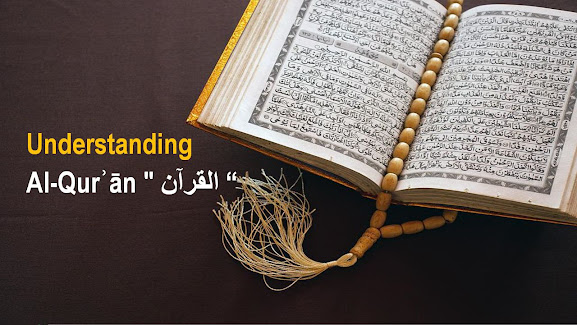
.
Showing posts with label Ref: Understanding Qur'an. Show all posts

Thursday, 14 May 2026

Who were the Companions of Sabbath - Divinely Punished - mentioned in Al Qur'an

God is the creator of the universe and all living beings, including humans. He loves those who obey Him and rewards them for following His path. But those who persistently disobey Him and His prophets are severely punished for denial and disobedience. In the Divine scriptures, there are innumerous tales of such doomed people. We have already published a number of posts on the fate of such people, and this post too is about the Companions of Sabbath who disobeyed God and were severely punished.

Note: This post is part of the series of posts on: The stories of the Doomed people mentioned in Al Qur'an 

Who were Companions of Sabbath
The Companions of the Sabbath were a community from the Children of Israel mentioned in the Quran as an example of deliberate disobedience and moral evasion. They are not identified by a specific tribe name in the Quran, but classical Islamic sources often associate them with a seaside town, sometimes linked to Aylah (near modern Aqaba/Eilat).

Their story appears mainly in: (1) Surah Al-Baqarah 2:65–66, (2) Surah Al-A‘rāf 7:163–166

Why Are They Mentioned in the Quran?
Their story is used as a moral example about: (1) Hypocrisy, (2) Manipulating religious law, and (3) Knowingly violating ethical limits while pretending obedience.

What Was the “Sabbath”?
The Sabbath was a sacred day of rest and worship observed weekly by the Children of Israel. According to the Quran, this community was forbidden from fishing on the Sabbath.

In verse (7: 163) in the Qur’ān we have the details of their violation of the Sabbath: “Ask them about the town which stood by the sea: how its people profaned the Sabbath. Each Sabbath their fish appeared before them breaking the water’s surface, but they would not come near them on other than Sabbath days.”  They had requested that a day should be assigned to them for rest. God set them Saturday as a day when they do not work for a living. He then put them to a clear test when fish would come to the shore in large numbers on the Sabbath but not on other days of the week. Overwhelmed by greed, the Israelites were not able to pass that test. It was not in their nature to let such an opportunity go by for the sake of such a trivial matter as the observance of a certain covenant made with God!

Thus, deviously and flagrantly, they violated the Sabbath by trapping the fish when they came to the shore and waiting until the next day, when the Sabbath was over, to collect them. As a consequence, they were severely reprimanded and rated as no more than ‘despicable apes’, since their mentality and behaviour had sunk to utterly revolting depths.

Why were they punished?
The Quran says the fish appeared abundantly on the Sabbath but were scarce on other days. But they were Divinely restrained to fish only one day in the week. But instead of obeying the Divine commandment, they openly violated the command and used tricks to outwardly show implementing the Divine order, but tacitly making arrangements to hoard fish so as to bag a hefty cache on the fishing day. Their tricks included:
  • They set traps or nets on Friday,
  • so the fish would get caught on Saturday,
  • Then they collected them on Sunday.
So they technically tried to “avoid” breaking the law while violating its spirit. The Quran presents this as intentional deception rather than an innocent mistake.

The Quran presents several reasons for the reasons of the punishment:
  • Deliberate disobedience: They knowingly violated a command.
  • Trying to bypass morality through technicalities: They followed the letter while breaking the spirit.
  • Persistence after warning: The behavior continued despite admonition.
  • Public normalization of wrongdoing: The corruption became social and collective.
The Punishment
As a result of their transgression, Allah transformed them into apes and made them despised and rejected. The Quran says they were punished severely after persistent defiance. One verse states: “Be apes, despised.” (Surah Al-Baqarah 2:65-66) - The verses continue to say: Thus We made their end a warning to the people of their time and succeeding generations, and an admonition for God-fearing people.

This verse serves as a warning against violating Allah's commands for worldly gain, specifically regarding the prohibition of fishing on Saturdays.

While The Quran itself does not give many physical details beyond the punishment and disgrace, classical Islamic scholars differed on interpretation: Many understood it literally as a miraculous transformation, while some later scholars viewed it as symbolic of moral degradation and humiliation.

Commentators like Ibn Kathir and others note that these individuals were transformed and did not live more than three days, with no offspring.

A major Quranic theme here is: corruption through cleverness and self-justification. The story also highlights: The duty to oppose wrongdoing in society, and the danger of normalizing unethical behavior.

Important Part of the Story: Three Groups
In Surah Al-A‘rāf, commentators often identify three groups:
  • Those committing the violation
  • Those warning against it
  • Those staying silent
The Quran praises the people who actively warned against wrongdoing. This becomes an important ethical lesson in Islamic thought: Communities should not become indifferent to corruption.
Why Were They Punished?

Main Lesson in the Quran
The story warns against: (1) Using loopholes to justify unethical behavior, (2) religious hypocrisy, and (3) passive acceptance of corruption.

The focus is less on fishing itself and more on: (1) Honesty, (2) sincerity, and (3) moral integrity.

Broader Quranic Theme
The Companions of the Sabbath fit a larger Quranic pattern:
  • A community receives guidance,
  • Some become arrogant or manipulative,
  • Warnings are ignored,
  • Consequences follow.
The Quran uses these stories not just as history, but as recurring human patterns relevant to any society. It presses upon us to always uphold covenants made with Allah and never try to bypass these through clever tricks - for Allah knows what resides in our hearts.

You may like to listen to a commentary on fate of companions of Sabbath by eminent Muslim scholar Nauman Ali Khan:

May Allāh (سبحانه و تعالى‎) help us understand Qur'ān and follow the Sunnah of Prophet Muhammad ﷺ, which is embodiment of commandments of Allah contained in the Qur'ān. May Allah help us to be like the ones He loves and let our lives be lived helping others and not making others' lives miserable or unlivable. May all our wrong doings, whether intentional or unintentional, be forgiven before the angel of death knocks on our door. 

وَمَا عَلَيۡنَاۤ اِلَّا الۡبَلٰغُ الۡمُبِيۡنُ‏ 
(36:17) and our duty is no more than to clearly convey the Message.”
That is Our duty is only to convey to you the message that Allah has entrusted us with. Then it is for you to accept it or reject it. We have not been made responsible for making you accept it forcibly, and if you do not accept it, we shall not be seized in consequence of your disbelief, you will yourselves be answerable for your actions on Day of Resurrection.

May Allah forgive me if my posts ever imply a piety far greater than I possess. I am most in need of guidance.

Reading the Qur'ān should be a daily obligation of a Muslim - Reading it with translation will make it meaningful. But reading its Exegesis / Tafsir will make you understand it fully. It will also help the Muslims to have grasp over social issues and their answers discussed in the Qur'an and other matter related to inter faith so that they are able to discuss issues with non-Muslims with authority based on refences from Qur'an.

Note: When we mention God in our posts, we mean One True God, we call Allah in Islam, with no associates. Allah is the Sole Creator of all things, and that Allah is all-powerful and all-knowing. Allah has no offspring, no race, no gender, no body, and is unaffected by the characteristics of human life.

Photo | references: | 1 | 2 | 3 |

For more Q&A about Understanding Islamplease refer to our reference page: Understanding Islam - Frequently asked Q&AYou may also refer to our refference page: Scholars' Viewpoint on important issue related to Islam to know more about Islam.

If you like Islam: My Ultimate Decision, and to keep yourself updated on all our latest posts to know more about Islam, follow us on FacebookYou may also refer to our Facebook  Group Islam: The Ultimate Truth for more on Islam and Da'wah.

Please share this page to your friends and family members through Facebook, WhatsApp or any means on Social Media so that they can also be benefited by it and better understand Islam and the Holy Qur'an - Insha Allah (Allah Willing) you shall be blessed with the best of both worlds.

Friday, 9 August 2024

Beware of the Divine wrath that befalls upon the whole population indiscriminately (Hadith Prophet Muhammad ﷺ)

The Lord of the worlds has created the entire universe to function as per His designs and directives. No one is allowed to exceed the limits as set forth by Allah, the One and the Only One True God and the sole Creator of the entire universe, of which we the humans on this planet of earth are but a fraction of the whole. Allah has sent down His messengers and prophets to every land and every people who not only conveyed to them the set of instructions as to how abide by the Divine Commandments, but also warned them  of severe consequences if any individual, society or a nation violates these.

The living examples of people of Lot (Prophet Lut, peace be upon him) when the Divine wrath befell on them in form of burning rocks when they refused to give up their practice of homosexuality. 

* You may read our previous post: Prophetic Supplication of Prophet Lot (Lut  عَلَيْهِ ٱلسَّلَامُ) when the revered prophets in desperation called upon his Lord to help him against the wicked

There have been other examples of defiance of prophets of Allah by people of Ad and Thamud who too were destroyed by the Divine wrath, And when the Divine wrath befalls, everyone, guilty or otherwise perishes.

This is the message contained in the Hadith of Prophet Muhammad ﷺ as mentioned in Sahi al-Bukhārī  (Book 92 Afflictions and the End of the World /  كتاب الفتن / Chapter 19:  If Allah sends a punishment upon a nation / باب  إِذَا أَنْزَلَ اللَّهُ بِقَوْمٍ عَذَابًا الْمَاءِ‏ ) as Hadith 7108, given herein under:

Narrated Ibn `Umar:

Allah's Messenger (ﷺ) said, "If Allah sends punishment upon a nation then it befalls upon the whole population indiscriminately and then they will be resurrected (and judged) according to their deeds. "

Arabic Text:
حَدَّثَنَا عَبْدُ اللَّهِ بْنُ عُثْمَانَ، أَخْبَرَنَا عَبْدُ اللَّهِ، أَخْبَرَنَا يُونُسُ، عَنِ الزُّهْرِيِّ، أَخْبَرَنِي حَمْزَةُ بْنُ عَبْدِ اللَّهِ بْنِ عُمَرَ، أَنَّهُ سَمِعَ ابْنَ عُمَرَ ـ رضى الله عنهما ـ يَقُولُ قَالَ رَسُولُ اللَّهِ صلى الله عليه وسلم ‏ "‏ إِذَا أَنْزَلَ اللَّهُ بِقَوْمٍ عَذَابًا، أَصَابَ الْعَذَابُ مَنْ كَانَ فِيهِمْ، ثُمَّ بُعِثُوا عَلَى أَعْمَالِهِمْ ‏"‏‏.‏

The hadith highlights a concept related to collective punishment and individual accountability. This hadith is understood in the context of both the Qur'an and other Hadiths. Let’s break down its meaning and implications with supporting evidence from the Qur'an and Sunnah.

1. Understanding Collective Punishment:
The hadith suggests that when Allah sends a punishment upon a nation, it can affect everyone within that community, regardless of whether they are righteous or wicked. This concept is echoed in various parts of the Qur'an.
  • Qur'anic Evidence
    • In Surah Al-Anfal (8:25), Allah says: "And fear a trial which will not strike those who have wronged among you exclusively, and know that Allah is severe in penalty." 
    • This verse warns the believers to avoid actions that could lead to a punishment that affects everyone, not just the wrongdoers. 
    • This verse, along with the hadith, highlights the reality that when a society or nation collectively engages in wrongdoing or fails to prevent evil, Allah’s punishment may encompass the entire community. This serves as a warning to the believers to not be complacent or silent in the face of widespread corruption or immorality.
2. Individual Accountability After Death:
While the collective punishment might befall an entire community in this world, individual accountability remains in the Hereafter. The hadith states that despite the indiscriminate nature of worldly punishment, each person will be judged based on their own deeds after resurrection.
  • Qur'anic Evidence
    • In Surah Al-Muddathir (74:38), Allah says: "Every soul, for what it has earned, will be retained."
    • Similarly, in Surah Al-Zalzalah (99:7-8), Allah says: "So whoever does an atom's weight of good will see it, and whoever does an atom's weight of evil will see it." 
    • These verses clearly affirm that each individual will be judged according to their deeds, regardless of what punishment they may have faced in the world.
3. Supporting Hadiths:
  • Another hadith reported by Imam Al-Tirmidhi (Hadith 2168) and others mentions the Prophet Muhammad (peace be upon him) saying: "When people see an oppressor but do not prevent him, it is likely that Allah will punish them all."
This hadith emphasizes the responsibility of individuals within a community to prevent wrongdoing, reinforcing the idea that neglecting this duty may lead to collective punishment.
  • In Sahih Bukhari, there is a hadith narrated by Zainab bint Jahsh: "The Prophet (peace be upon him) came to me in a state of fear and said, 'La ilaha illallah (there is no god but Allah)! Woe to the Arabs from the evil that has drawn near! Today a hole has been opened in the wall of Ya'juj and Ma'juj (Gog and Magog) like this.' Then he made a circle with his thumb and index finger." She asked, "Shall we be destroyed even though there are righteous people among us?" The Prophet (peace be upon him) replied, "Yes, if evil increases."
This hadith reinforces the notion that even the presence of righteous people may not prevent collective punishment if the society as a whole engages in widespread corruption or evil.

4. Balancing the ConceptsThe combination of these teachings highlights a balance in Islamic theology:

  • Worldly Consequences: Communities and nations may face collective consequences for widespread wrongdoing.
  • Individual Judgement: In the Hereafter, each person will be judged and rewarded or punished based on their individual actions, regardless of the collective punishment they faced in this life.
5. Practical Lessons:
  • Active Participation in Good: The teachings encourage believers to actively promote good and prevent evil within their communities.
  • Personal Piety and Responsibility: Even if a person lives in a corrupt society, they are encouraged to maintain their piety and trust that they will be judged fairly by Allah in the Hereafter.
The hadith thus underscores the dual aspects of collective punishment in this world and individual accountability in the Hereafter. While entire communities might suffer for collective wrongdoing, in the afterlife, each person will be judged according to their own deeds. This teaching emphasizes the importance of both communal responsibility and personal righteousness in Islam.

Let us not live in the fallacy of the notion that we have been absolved of the original sin any sin more sin that we will commit will be condoned automatically due to Divine mercy. Beware of such falsehood being spread and be ready to face the consequences of all sins committed individually and be ready to be taken to task on the Day of Judgment. Qur'an and Hadiths warn us in very plain and open words to save ourselves from sinning, and if we do not repent and seek Divine Forgiveness while we are alive, then be ready to face a very harsh punishment in the life of the Hereafter.
May Allāh (سبحانه و تعالى‎) help us understand Qur'ān and follow the Sunnah of  and that Prophet Muhammad ﷺ, which is embodiment of commandments of Allah contained in the Qur'ān. May Allah help us to be like the ones He loves and let our lives be lived helping others and not making others' lives miserable or unlivable. May all our wrong doings, whether intentional or unintentional, be forgiven before the angel of death knocks on our door. 
وَمَا عَلَيۡنَاۤ اِلَّا الۡبَلٰغُ الۡمُبِيۡنُ‏ 
(36:17) and our duty is no more than to clearly convey the Message.”
That is Our duty is only to convey to you the message that Allah has entrusted us with. Then it is for you to accept it or reject it. We have not been made responsible for making you accept it forcibly, and if you do not accept it, we shall not be seized in consequence of your disbelief, you will yourselves be answerable for your actions on Day of Resurrection.

May Allah forgive me if my posts ever imply a piety far greater than I possess. I am most in need of guidance.

Reading the Qur'ān should be a daily obligation of a Muslim - Reading it with translation will make it meaningful. But reading its Exegesis / Tafsir will make you understand it fully. It will also help the Muslims to have grasp over social issues and their answers discussed in the Qur'an and other matter related to inter faith so that they are able to discuss issues with non-Muslims with authority based on refences from Qur'an.

Note: When we mention God in our posts, we mean One True God, we call Allah in Islam, with no associates. Allah is the Sole Creator of all things, and that Allah is all-powerful and all-knowing. Allah has no offspring, no race, no gender, no body, and is unaffected by the characteristics of human life.

Please refer to our reference page: Collection of Hadiths of Prophet Muhammad ﷺ about Warning and Cautions for more Hadiths on the subject

For more hadiths on varying subjects, refer to our reference page: Sunnah and Hadith of Prophet Muhammad ﷺ to know more about Hadiths and Sunnah of Prophet of Allah. You may also refer to our Reference Pages for knowing more about Islam and Qur'ān.


Disclaimer: The material for this post has been collected from the references as given above and explanation augmented by ChatGPT. If anyone differs with the material contained in this post, one may consult the references and their authors.  If someone has more material about the subject, he/she is most welcome to share in the comments box to make the post all encompassing.

If you like Islam: My Ultimate Decision, and to keep yourself updated on all our latest posts to know more about Islam, follow us on Facebook. You may also refer to our Facebook  Group Islam: The Ultimate Truth for more on Islam and Da'wah.

Please share this page to your friends and family members through Facebook, WhatsApp or any means on social media so that they can also be benefited by it and better understand Islam and the Qur'ān - Insha Allah (Allah Willing) you shall be blessed with the best of both worlds.

Tuesday, 20 February 2024

Painful punishment for those who tyrannize upon the earth

The world was created for a harmonious living for everyone. Yet we see some of us flexing their muscle, due to their position of authority, wealth and mere physical strength to subdue the others. Such behavior starts from a tyrant parent at home to communities and nations. If we look around we see powerful countries waging or assisting in waging wars for their own interests and destroying the world peace. 

How ironic, that wars and tyranny is spread in the name of peace, while millions perish in the process, and still no peace could be established. The plight of Palestinians and Kashmiris is a point in case. Major powers play a big role in not resolving the disputes, rather they fuel the issues and keep these remain unsolved in the name of their interests.

However, history is replete with tales of the once powerful empires which vanished due to Divine wrath when they tyrannized others to achieve more power and dominance. Such are the people who not only see their utter fate in this world, but will also be subjected to painful punishment when the Divine court will be established on the Judgment Day. Such people have been forewarned of the Divine chastisement in the 42nd verse of Surah 42. Ash- Ash-Shura as appended below, in the backdrop of the 41st verse which reassures men who who avenges himself after he has been wronged.

Note: This verse is also part of our reference post Warning Shots of severe consequences for the Oppressors and dispensers of injustice mentioned in Al Qur'an. Refer to this page to know the other verses on the subjects.

اِنَّمَا السَّبِيۡلُ عَلَى الَّذِيۡنَ يَظۡلِمُوۡنَ النَّاسَ وَ يَبۡغُوۡنَ فِى الۡاَرۡضِ بِغَيۡرِ الۡحَقِّ​ؕ اُولٰٓـئِكَ لَهُمۡ عَذَابٌ اَلِيۡمٌ‏ 
The way [of blame] is only against the ones who wrong the people and tyrannize upon the earth without right. Those will have a painful punishment.

Tafsir Wiki Qur'an:
No blame attaches to those who defend themselves after having been wronged. Blame attaches only to those who oppress other people and transgress in the land against all right. For such, there is painful suffering in store." (Verses 41-42) A wronged person who retaliates against injustice, repays an evil act with its like, and who makes sure not to transgress his limits, is simply exercising his legitimate right. Hence, no blame attaches to him. No one should prevent him from exacting justice. The ones to be stopped are those who oppress and encroach on others. Human life cannot be set on a right basis while injustice continues unchecked and its perpetrators go about freely, fearing no consequence. God warns all perpetrators of injustice that they will be severely punished, but people must also rise against those responsible and prevent them from committing further injustice.

Tafsir Ibn e Kathir:
(Blame is only against those who oppress men and rebel in the earth without justification;) means, those who initiate wrongful actions against others, as it says in the Sahih Hadith:

(When two persons indulge in abusing each other, the one who initiated the wrongful action is to blame, unless the one who was wronged oversteps the mark in retaliation.)

(for such there will be a painful torment.) means, intense and agonizing. It was reported that Muhammad bin Wasi' said, "I came to Makkah and there was a security out post over the trench whose guards took me to Marwan bin Al-Muhallab, who was the governor of Basrah. He said, 'What do you need, O Abu 'Abdullah' I said, 'If you can do it, I need you to be like the brother of Banu 'Adiy.' He said, 'Who is the brother of Banu 'Adiy' He said, 'Al-'Ala' bin Ziyad; he once appointed a friend of his to a position of authority, and he wrote to him: If you can, only go to sleep after you make sure that there is nothing on your back [i.e., you do not owe anything to anyone], your stomach is empty and your hands are untainted by the blood or wealth of the Muslims. If you do that, then there will be no way (of blame) against you

إِنَّمَا السَّبِيلُ عَلَى الَّذِينَ يَظْلِمُونَ النَّاسَ وَيَبْغُونَ فِي الْأَرْضِ بِغَيْرِ الْحَقِّ ۚ أُولَٰئِكَ لَهُمْ عَذَابٌ أَلِيمٌ
(The way is only against those who oppress men and rebel in the earth without justification; for such there will be a painful torment.)' Marwan said, 'He spoke the truth, by Allah, and gave sincere advice. ' Then he said, 'What do you need, O Abu 'Abdullah' I said, 'I need you to let me join my family.' He said, 'Yes [I will do that].'" This was recorded by Ibn Abi Hatim. When Allah condemned wrongdoing and the people who do it, and prescribed Al-Qisas, He encouraged forgiveness.
May Allāh (سبحانه و تعالى‎) help us understand Qur'ān and follow the Sunnah of Prophet Muhammad ﷺ, which is embodiment of commandments of Allah contained in the Qur'ān. May Allah help us to be like the ones He loves and let our lives be lived helping others and not making others' lives miserable or unlivable. May all our wrong doings, whether intentional or unintentional, be forgiven before the angel of death knocks on our door. 
وَمَا عَلَيۡنَاۤ اِلَّا الۡبَلٰغُ الۡمُبِيۡنُ‏ 
(36:17) and our duty is no more than to clearly convey the Message.”
That is Our duty is only to convey to you the message that Allah has entrusted us with. Then it is for you to accept it or reject it. We have not been made responsible for making you accept it forcibly, and if you do not accept it, we shall not be seized in consequence of your disbelief, you will yourselves be answerable for your actions on Day of Resurrection.

Reading the Qur'ān should be a daily obligation of a Muslim - Reading it with translation will make it meaningful. But reading its Exegesis / Tafsir will make you understand it fully. It will also help the Muslims to have grasp over social issues and their answers discussed in the Qur'an and other matter related to inter faith so that they are able to discuss issues with non-Muslims with authority based on refences from Qur'an.

May Allah forgive me if my posts ever imply a piety far greater than I possess. I am most in need of guidance.

Note: When we mention God in our posts, we mean One True God, we call Allah in Islam, with no associates. Allah is the Sole Creator of all things, and that Allah is all-powerful and all-knowing. Allah has no offspring, no race, no gender, no body, and is unaffected by the characteristics of human life.

You may read more posts on similar theme in our series of posts related to: The Utter Losers (in worldly life and the Hereafter) in the light of Qur'an

For more Selected Verses, please refer to our reference page: Selected Verses from the Qur'anYou may also refer to our Reference Pages  and Understanding Al Qur'an for knowing more about Islam and Qur'ān.
Photo | Tafsir References: | 1 | 2

An effort has been made to gather explanation / exegesis of the surahs of the Qur'ān from authentic sources and then present a least possible condensed explanation of the surah. 
Disclaimer: The material for this post has been collected from the references given above. If anyone differs with the material contained in this post, one may consult the references and their authors.  If someone has more material about the subject, he/she is most welcome to share in the comments box to make the post all encompassing.

If you like Islam: My Ultimate Decision, and to keep yourself updated on all our latest posts to know more about Islam, follow us on Facebook

Please share this page to your friends and family members through Facebook, WhatsApp or any means on social media so that they can also be benefited by it and better understand Islam and the Qur'ān - Insha Allah (Allah Willing) you shall be blessed with the best of both worlds.

Wednesday, 15 June 2022

Understanding Al Qur'an (Reference Page)

Al-Qurʾān " القرآن " is the last of the four Divine Scriptures that was revealed to last of the prophets Muhammad ﷺ by Allah through archangel Jibraeel (Gabriel). The language of Qur'an is Arabic and contains 114 chapters, called Sūrah " سورة " which consist of varying number of verses (آيات ʾāyāt,). These 114 chapters are divided into thirty parts called Juz'. 

The Qur'an was revealed onto Prophet Muhammad ﷺ both in Makkah (Mecca) and Medinah over a period of 23 years of his prophethood. That is why the revelations during the Meccan period are called Meccan Sūrahs and those revealed in the Medinah are called Medinan Sūrahs. The Meccan Sūrahs are generally shorter for these contained general invitation to Islam and modalities. However, verses of the Medinan Sūrahs are much longer as these contain the detailed instructions and commandments encompassing all matters related to life, relations with non-Muslims and Divine Laws to administer daily lives of the Muslims, beside social and community etiquettes. Besides these also contain references and mention of previous prophets, especially Prophets Noah, Abraham, Moses and Jesus (may peace be upon them) beside others.

The Arabic language of Qur'an differs from the textual Arabic being the Divine language. For this reason, it is widely regarded as the finest work in Arabic literature, and has significantly influenced the Arabic language.

Since the language of Qur'an is Arabic, many reverts, those non-Muslims embracing Islam, find it difficult to grasp the real essence of this Divine Scripture as mere translation does not convey the true meaning and correlation of verses and Sūrahs with previous and following chapters/Sūrah as many subjects are interrelated, yet scattered throughout the Qur'an.

In order to assist the reverts, we have taken upon us to present the simple translation followed by detailed explanation / exegesis (called Tafsir in Arabic “التفسير “) by more than one Islamic scholar and exegetes for better simulation and understanding. Some of these scholars include:
  • Abu al-Fiḍā ‘Imād Ad-Din Ismā‘īl ibn ‘Umar ibn Kathīr al-Qurashī Al-Damishqī, known as Ibn Kathīr ابن كثير, died 1373, was a highly influential Arab historian, exegete and scholar during the Mamluk era in Syria.
  • Abul A'la Al-Maududi (1903-1979) an Islamic scholar, Islamist ideologue, Muslim philosopher, jurist, historian, journalist, activist and scholar active in Hyderabad Deccan and later, following partition and the annexation of Hyderabad, in Pakistan.
  • Muhammad Asad, (1900-1992) was an Austro-Hungarian-born Jew and revert to Islam who worked as a journalist, traveler, writer, linguist, political theorist, diplomat. His translation of the Quran in English, "The Message of The Qur'an" is one of the most notable of his works.
  • Abdullah Yusuf Ali, (1872-1953) was an Indian-British barrister and Muslim scholar who wrote a number of books about Islam including a translation of the Qur'an.
  • Jāvēd Ahmed Ghāmidī is a Pakistani Muslim theologian, Quran scholar, Islamic modernist, exegete and educationist. He is also the founding President of Al-Mawrid Institute of Islamic Sciences and its sister organisation Danish Sara.
  • Nouman Ali Khan is a Pakistani-American Islamic speaker and Arabic instructor who founded the Bayyinah Institute for Arabic and Qur’anic Studies after serving as an instructor of Arabic at Nassau Community College. 
  • And others whose mention is made separately in the References given after each exegesis. 
We have also included videos of recitation of Qur'an by some of the best reciters of Qur'an and explanation of complete or part of the Sūrahs by eminent Muslim scholars.

The modus operandi of our effort is divided into five parts as under:
* General Information:
Prophetic Stories / Metaphors / Parables from Al Qur'an
Stories of the Doomed people mentioned in Al Qur'an
* Lessons from selected Surahs of Quran:
Reading the Holy Quran should be a daily obligation of a Muslim - Reading it with translation will make it meaningful. But reading its Exegesis / Tafsir will make you understand it fully. An effort has been made to gather explanation / exegesis of the surahs of the Holy Qur'an from authentic sources and then present a least possible condensed explanation of the surah. 
May Allah (سبحانه و تعالى‎) help us understand Qur'ān and follow the Sunnah of Prophet Muhammad ﷺ, which is embodiment of commandments of Allah contained in the Qur'ān. May Allah help us to be like the ones He loves and let our lives be lived helping others and not making others' lives miserable or unlivable. May all our wrong doings, whether intentional or unintentional, be forgiven before the angel of death knocks on our door. 
وَمَا عَلَيۡنَاۤ اِلَّا الۡبَلٰغُ الۡمُبِيۡنُ‏ 
(36:17) and our duty is no more than to clearly convey the Message.”
That is Our duty is only to convey to you the message that Allah has entrusted us with. Then it is for you to accept it or reject it. We have not been made responsible for making you accept it forcibly, and if you do not accept it, we shall not be seized in consequence of your disbelief, you will yourselves be answerable for your actions on Day of Resurrection.

Reading the Qur'ān should be a daily obligation of a Muslim - Reading it with translation will make it meaningful. But reading its Exegesis / Tafsir will make you understand it fully. It will also help the Muslims to have grasp over social issues and their answers discussed in the Qur'an and other matter related to inter faith so that they are able to discuss issues with non-Muslims with authority based on refences from Qur'an.

May Allah forgive me if my posts ever imply a piety far greater than I possess. I am most in need of guidance.

Note: When we mention God in our posts, we mean One True God, we call Allah in Islam, with no associates. Allah is the Sole Creator of all things, and that Allah is all-powerful and all-knowing. Allah has no offspring, no race, no gender, no body, and is unaffected by the characteristics of human life.

Photo
If you like Islam: My Ultimate Decision, and to keep yourself updated on all our latest posts to know more about Islam, follow us on Facebook

Please share this page to your friends and family members through Facebook, WhatsApp or any means on social media so that they can also be benefited by it and better understand Islam and the Holy Qur'an - Insha Allah (Allah Willing) you shall be blessed with the best of both worlds.

Twitter Delicious Facebook Digg Stumbleupon Favorites More