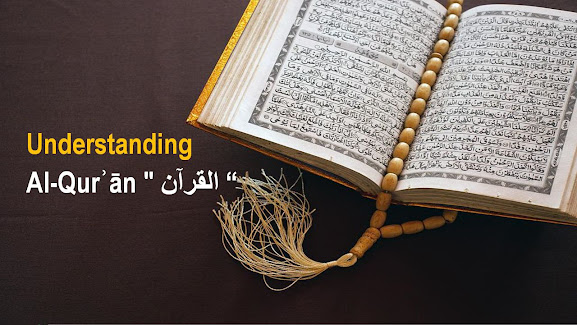
Qur'an, the last of the Divine Scriptures, which provides the best of the guidance to the mankind. Unlike other religious books with volumes attached, Qur'an, a merely a six hundred plus pages book, is addressed directly to man and each of its verses seems like God, the Only One God without associates and assistance, talking directly to His subjects.
And it is through these Divine words, God tells His servants how to shape their character to become a better man. But for that, one has to read and read each verse of Qur'an time and again to go to the depth of wisdom contained therein. And if one finds it hard to know what is being said, one must consult authentic Tafsir / exegesis of Qur'an or consult some of the most unbiased scholars and exegete of Qur'an.
The Qur’an does not merely inform the mind; it reforms the heart and disciplines behavior. Together with the Sunnah of the Prophet ﷺ, it shapes a person’s character (akhlāq) at every level. Herein under are ten powerful Qur’anic guiding verses that directly build character —not just belief, but how a person thinks, behaves, and lives. Each one targets a core trait needed today.
Note: We only refer to these ten verses with a brief note. For detailed reflection and understand, link under each trait are mentioned in some , while for others news post will be added to understand the character in wholesome.
1. Truthfulness & Integrity
- “O you who believe! Fear Allah and be with those who are truthful.” Surah At-Tawbah (9:119)
- Honesty builds Moral courage and Authenticity to what one says.
- Please refer to our earlier posts on truthfulness and Integrity:
- Believers, fear Allah and speak the truth Surah 33. Al Ahzab Verse 70
- Truth: The Essence of Holy Quran
2. Justice—even Against Yourself
- “Stand firmly for justice, even against yourselves, parents, or relatives…” Surah An-Nisa (4:135)
- Justice builds Integrity over bias and Courage to uphold truth
- Please refer to our Reference Page on Selected verses from Qur'an on Justice / Rules of Islamic Law to know in detail why justice is so important for believers to ensure. Remember, with impartial justice no society can progress - nor the humans.
3. Control of Anger & Forgiveness
- “…those who restrain anger and pardon people…” Surah Aal-E-Imran (3:134)
- Anger management builds Emotional intelligence, mercy and maturity
- Please refer to our already published posts on Anger Management and Ability to Forgive:
4. Guarding Speech
- “Do not mock one another… nor insult one another…” Surah Al-Hujurat (49:11)
- Guarding one's speech adds respect, social acceptance and healthy communication with others.
- Please refer to our already published posts on sanctity of speech
5. Avoid Suspicion, Spying & Backbiting
- “Avoid much suspicion… do not spy or backbite…” Surah Al-Hujurat (49:12)
- Avoiding suspicion and valuing others dignity builds mutual trust purity of heart and improves ethical social behavior
- Please refer to our already published posts on Suspicion, Slandering and Backbiting:
- What is the wisdom behind Prohibition of Backbiting (ghibah الغيبة) in Islam
- Woe to every scandal-monger and backbiter
- Don't Backbite and be Excessively Suspicious
- DO NOT Slander or Backbite your brother (Surah Al Ahzab verse 58)
- Backbiting and slandering - The worst acts of a believer (Hadith Prophet Muhammad ﷺ)
6. Lowering the Gaze & Modesty
- “Tell the believing men to lower their gaze and guard their modesty…” Surah An-Nur (24:30)
- Modesty adds to one's self control, inner discipline and respect for others
7. Humility in Life
- “The servants of the Most Merciful are those who walk on the earth humbly…” Surah Al-Furqan (25:63)
- Humility builds calmness under provocation
- Please refer to our already published post on Humility: Important DOs and DON'Ts from Qur'an: Walk on earth Gently
8. Kindness to Parents
- “…Do not say even ‘uff’ to them, and speak to them noble words.” Surah Al-Isra (17:23)
- Kindness to parents builds , Respect, and Emotional sensitivity
- Please refer to our already published posts on kindness to parents:
9. Fulfilling Trusts & Promises
- “Those who are faithful to their trusts and their promises…” Surah Al-Mu’minun (23:8)
- Fulfilling trusts and promises adds one's Reliability and Trustworthiness.
- Please refer to our already published posts on Keeping promises:
10. Excellence in Conduct
- “Indeed, Allah commands justice, excellence (ihsan), and giving to relatives…” Surah An-Nahl (16:90)
- An exemplary conduct builds Justice, Generosity and Excellence beyond obligation
- Universal moral code as explained in Al Qur'an (16:90)
Final Reflection
These verses together shape a complete personality:
- Inner character → sincerity, humility, self-control
- Social character → respect, honesty, kindness
- Moral strength → justice, truth, responsibility
a glance over each trait mention above means that the Qur’an does not just teach you what to believe… It teaches you who to become.
These traits are not difficult to be made part of one's life, which will earn greater rewards not only yhis world, but the eternal life of the Hereafter.
May Allāh (سبحانه و تعالى) help us understand Qur'ān and follow the Sunnah of Prophet Muhammad ﷺ, which is embodiment of commandments of Allah contained in the Qur'ān. May Allah help us to be like the ones He loves and let our lives be lived helping others and not making others' lives miserable or unlivable. May all our wrong doings, whether intentional or unintentional, be forgiven before the angel of death knocks on our door.
وَمَا عَلَيۡنَاۤ اِلَّا الۡبَلٰغُ الۡمُبِيۡنُ
(36:17) and our duty is no more than to clearly convey the Message.”
That is Our duty is only to convey to you the message that Allah has entrusted us with. Then it is for you to accept it or reject it. We have not been made responsible for making you accept it forcibly, and if you do not accept it, we shall not be seized in consequence of your disbelief, you will yourselves be answerable for your actions on Day of Resurrection.
Reading the Qur'ān should be a daily obligation of a Muslim - Reading it with translation will make it meaningful. But reading its Exegesis / Tafsir will make you understand it fully. It will also help the Muslims to have grasp over social issues and their answers discussed in the Qur'an and other matter related to inter faith so that they are able to discuss issues with non-Muslims with authority based on refences from Qur'an.
May Allah forgive me if my posts ever imply a piety far greater than I possess. I am most in need of guidance.
Note: When we mention God in our posts, we mean One True God, we call Allah in Islam, with no associates. Allah is the Sole Creator of all things, and that Allah is all-powerful and all-knowing. Allah has no offspring, no race, no gender, no body, and is unaffected by the characteristics of human life.
For more Selected Verses, please refer to our reference page: Selected Verses from the Qur'an. You may also refer to our Reference Pages and Understanding Al Qur'an for knowing more about Islam and Qur'ān.
An effort has been made to gather explanation / exegesis of the surahs of the Qur'ān from authentic sources and then present a least possible condensed explanation of the surah. In that the exegesis of the chapters of the Quran is mainly based on the "Tafhim al-Qur'an - The Meaning of the Qur'an" by one of the most enlightened scholars of the Muslim World Sayyid Abul Ala Maududi.
In order to augment and add more explanation as already provided, additional input has been interjected from the following sources:
- Tafsir Ibn Khatir
- Muhammad Asad Translation
- Yusuf Ali Translation
- Translation Javed Ahmad Ghamidi / Al Mawrid
- Qur'an Wiki
- Verse by Verse Qur'an Study Circle
- Towards Understanding the Quran
In addition, references of other sources which have been explored have also been given above. Those desirous of detailed explanations and tafsir (exegesis), may refer to these sites.
Disclaimer: The material for this post has been collected from the references given above. If anyone differs with the material contained in this post, one may consult the references and their authors. If someone has more material about the subject, he/she is most welcome to share in the comments box to make the post all encompassing.
Please share this page to your friends and family members through Facebook, WhatsApp or any means on social media so that they can also be benefited by it and better understand Islam and the Qur'ān - Insha Allah (Allah Willing) you shall be blessed with the best of both worlds.